


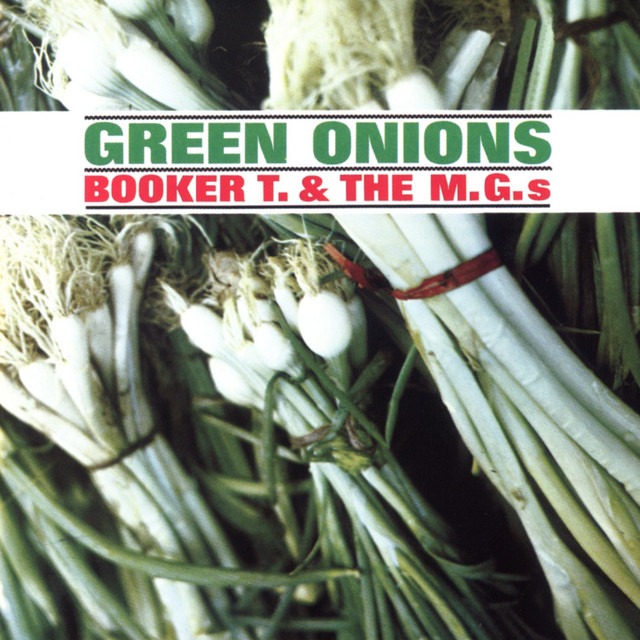
When Booker T. & the M.G.’s unleashed ‘Green Onions’ in October 1962, they didn’t just create Stax Records’ first charting album. They crafted a blueprint for instrumental soul that would influence generations of musicians across every genre imaginable. The title track hit number one on R&B charts and number three on pop charts, becoming one of the most recognizable instrumental grooves in music history. Dozens of artists from the Blues Brothers to Deep Purple have covered it, but nobody captures that original strutting cool quite like the Memphis masters who accidentally created it while cutting what they thought would be a B-side. This album matters because it proved instrumental music could dominate charts, because it established the sound that would define southern soul, and because it showcased four musicians operating at such a high level of cohesion that their work became the foundation for countless Stax classics by Otis Redding, Wilson Pickett and Sam & Dave.
The Album Cover Photographer Went On To Shoot For Mad Magazine For 52 Years
Irving Schild captured the iconic ‘Green Onions’ cover photo before embarking on a legendary career as Mad magazine’s primary photographer for over five decades. The straightforward, professional shot of the M.G.’s perfectly matched the no-nonsense musical approach inside the grooves. Schild’s work would go on to define Mad’s visual identity for generations of readers, but this Stax debut remains one of his earliest professional triumphs in a career that spanned comedy, culture and everything in between.
Booker T. Jones Was Still In High School When He Started Playing For Stax
The organ wizard behind “Green Onions” hadn’t even graduated high school when he began his professional career with Stax Records. Jones brought youthful energy and raw talent to sessions with seasoned Memphis veterans, quickly proving that age meant nothing when the groove hit right. His keyboard work on this debut demonstrated maturity and sophistication far beyond his years, establishing him as one of soul music’s most important instrumentalists before he could legally buy a drink.
They Made “Green Onions” Twice On The Same Album
The M.G.’s loved their title track formula so much they recorded “Mo’ Onions,” which works over a similar pattern and captures that same streamlined groove. Both tracks showcase Booker’s organ leading the charge while Steve Cropper’s guitar emits rays of brilliance over the rhythm section’s foundation. The decision to include both versions on the debut shows the band’s confidence in their signature sound and their ability to milk maximum impact from a winning formula without losing the magic.
Steve Cropper May Have Forgotten To Play Guitar On “Behave Yourself” Because He Was Too Busy Watching Booker
During the slower blues number “Behave Yourself,” Cropper waits an unusually long time before chiming in with his guitar, possibly because he was mesmerized watching Booker heap up huge piles of organ notes with one hand while holding long chords with the other. The opening section features some of Booker’s most impressive keyboard work on the entire album, and Cropper’s delayed entrance suggests even one of the ultimate rhythm guitar players couldn’t help but stop and appreciate the mastery unfolding beside him before remembering he had his own part to play.
The Bass Player Changed Before Otis Redding Recorded His Version Of “A Woman, A Lover, A Friend”
The M.G.’s covered “A Woman, A Lover, A Friend” on ‘Green Onions’ with Lewis Steinberg on bass, but when Otis Redding sang his version on 1965’s ‘The Great Otis Redding Sings Soul Ballads,’ the recently deceased Donald “Duck” Dunn had replaced Steinberg in the rhythm section. This lineup change marked a significant shift in the band’s sound, though both bassists contributed to the M.G.’s legendary status as Stax’s unshakeable house band throughout the 1960s.