


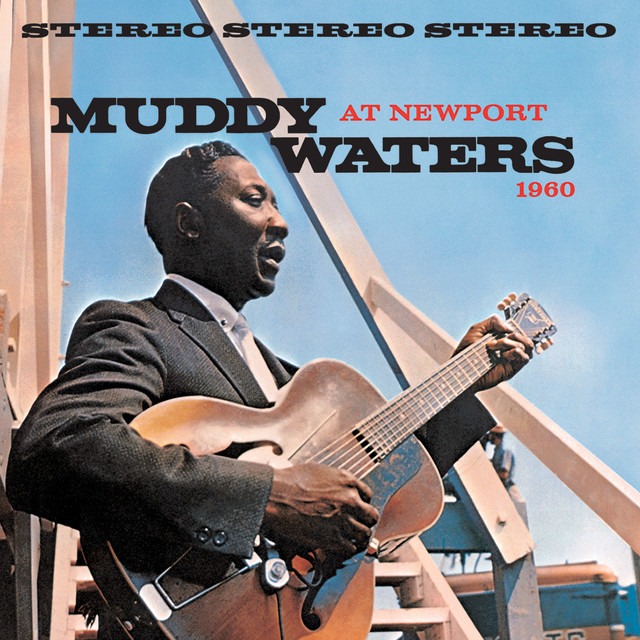
‘At Newport 1960’ stands as a defining document of modern blues. Captured live at the Newport Jazz Festival, the album presents Muddy Waters at full electric force, introducing Chicago blues to a global audience and shaping the sound and confidence of generations that followed. This performance expanded the reach of the blues, fueled the blues revival, and laid a foundation for rock music’s future.
- A New Song Set the Tone From the First Note
- The album opens with “I Got My Brand on You,” a song so fresh it had not even reached record stores yet. Newport audiences heard it first, loud and electric under an open sky. Starting with new material announced confidence and momentum. This was Muddy Waters pushing the blues forward, not looking back.
- The Performance Arrived After a Chaotic Festival Weekend
- The night before brought unrest, police intervention, and a city on edge. By Sunday evening, the festival pressed on with cameras rolling for an international audience. When Muddy hit the stage, the tension melted into focus. The music transformed the moment into a powerful cultural statement broadcast beyond Newport.
- Stage Presence Became Part of the Sound
- Muddy Waters walked onstage dressed in black while his band wore sharp white suits. The contrast pulled every eye toward him instantly. Before the band played a note, authority filled the space. The visual power matched the electricity pouring from the amplifiers.
- The Finale Turned Into Living Blues History
- As the concert closed, Langston Hughes wrote “Goodbye Newport Blues” right there at the festival. Otis Spann stepped in on vocals as blues musicians crowded the stage together. The moment felt communal, spontaneous, and alive. The blues unfolded as shared creation, not performance.
- An Iconic Cover Captured a Borrowed Guitar
- During the concert, Muddy played his Fender Telecaster, driving the band with sharp electric bite. For the album cover, photographer William Claxton handed him a semi-acoustic guitar owned by John Lee Hooker. The image froze a different instrument in time. The cover became legendary all the same.