


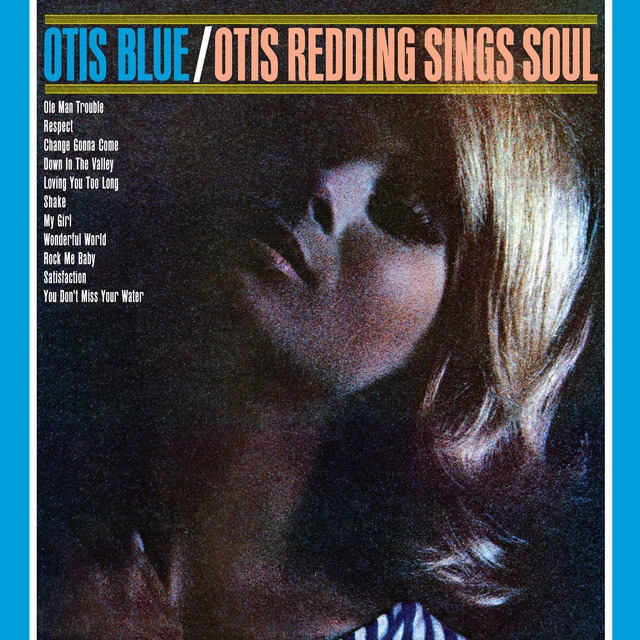
When Otis Redding walked into Stax Records on July 9, 1965, he was a young soul singer with modest recognition and one Top 10 R&B hit to his name. By July 10, he had recorded 10 of the 11 songs that would make up ‘Otis Blue,’ arguably the greatest studio soul album of the 1960s, all captured in under 24 hours across two sessions. The only track not recorded during that whirlwind period was his number two hit “I’ve Been Loving You Too Long,” which had been cut in April and re-recorded in stereo for the album. Backed by Booker T. & the M.G.’s, Isaac Hayes on piano, and a horn section filled with Mar-Keys and Memphis Horns members, Redding delivered performances that ranged from pained to celebratory, tender to gritty, establishing himself as the heir to Sam Cooke’s throne. The album sold more than 250,000 copies, topped the US R&B LPs chart, hit number six in the UK, and proved that Redding could take on the Temptations, Rolling Stones and B.B. King on their own turf while creating original material powerful enough for Aretha Franklin to transform into a feminist anthem.
The Recording Sessions Had A Break So The House Band Could Play Their Saturday Night Gigs Around Town
The two sessions ran from 10 a.m. Saturday July 9 through 2 p.m. Sunday July 10, but Stax had to break from 8 p.m. Saturday until 2 a.m. Sunday so Booker T. & the M.G.’s could play their regular local gigs around Memphis. The house band was working musicians who couldn’t afford to skip paying shows just to record an album, even one as monumental as ‘Otis Blue.’ When they returned in the early morning hours, they picked up right where they left off and finished the remaining tracks with the same precision and fire.
Redding Recorded “Satisfaction” Without Ever Hearing The Rolling Stones Original Version
Otis Redding cut his transformative take on “Satisfaction” without hearing the Rolling Stones’ original recording, working only from the lyrics and embellishing where he saw fit. He underscored “fashion” when singing “satisfaction” and threw in new verses that turned Mick and Keith’s restlessness into sheer uncontrollability, including “I keep on runnin’ round in my sleep/I keep on messin’ up any beat.” The version sounded so authentic that a journalist accused the Stones of stealing the song from Redding and performing it after him, when the exact opposite was true.
The Album Cover Featured A Blue-Tinted Photo Of A Non-Descript White Woman Instead Of Redding’s Face
Redding wasn’t famous enough in September 1965 to avoid one of the era’s most unfortunate record company practices, so instead of his face on the cover, Stax used a blue-tinted photo of an anonymous white woman. The decision reflected the industry’s racist assumptions about crossover appeal and marketability, treating one of soul music’s greatest albums as a product that needed whitewashing to reach broader audiences. By 1966 and early 1967, Redding had built enough recognition with both Black R&B and white rock audiences that such indignities became impossible to justify.
“Respect” Took A Day To Write, 20 Minutes To Arrange, And One Take To Record According To Redding
Otis Redding claimed “Respect” took a day to write, 20 minutes to arrange and one take to record, though the song’s origins remain disputed between drummer Al Jackson Jr.’s road tour quote and road manager Earl “Speedo” Sims’ claim that it came from a group he sang with. Sims stated that even though Redding rewrote it, much of the original lyric remained and that he sang backing vocals in the chorus but never received credit despite Redding’s promise. The song became one of Redding’s signature performances before Aretha Franklin covered it in 1967 and topped both the Billboard R&B and Pop charts, transforming his plea for respect into a feminist hymn that ironically countered the original’s perspective.