


Five Unknown Facts About Sam Cooke’s ‘Live at the Harlem Square Club, 1963’ That Took 22 Years To Release
When Sam Cooke walked onstage at Miami’s Harlem Square Club on January 12, 1963, RCA Victor engineers captured one of the greatest live performances in music history. The label immediately shelved it for 22 years because they thought it was too gritty, raw and raucous for Cooke’s carefully cultivated pop image. RCA wanted to break him as an international crossover star playing supper clubs, not document the down-home, gut-bucket show he delivered to predominantly Black audiences in the segregated South. The recording sat in the vaults until executive Gregg Geller discovered the tapes in 1985 and released them that June, where critics immediately recognized what they were hearing. The album ranked number 11 on The Village Voice’s Pazz & Jop poll and number seven on NME’s albums of the year in 1985, eventually earning placement on Rolling Stone’s 500 Greatest Albums of All Time list. This wasn’t just a live album. This was proof that one of the most beguiling figures of 20th century music was even more powerful, seductive and commanding than his polished studio recordings suggested, capturing 39 minutes of pure soul fire that RCA thought would damage his mainstream appeal.
The Harlem Square Club Bartender Worked Behind A Cage And Carried A Shotgun While Selling Drinks
The Harlem Square Club sat in Miami’s historically Black Overtown neighborhood, and the bartender sold liquor from a caged enclosure while armed with a shotgun according to reports from the era. The 2,000 capacity venue packed tight with devoted fans from Cooke’s gospel days, creating an atmosphere of smoke, booze and sweaty energy that comes through every second of the recording. RCA engineers set up eight microphones and a three-track mixer, adjusting levels throughout the evening before capturing the late 1 a.m. show that became the legendary performance.
Three Different Mixes Exist And The Current Streaming Version Has A Skip In “Twistin’ The Night Away”
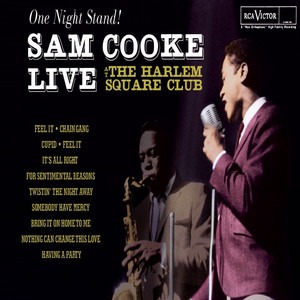
The 1985 mix kept the audience loud and claustrophobic, while the 2000 box set version cleaned everything up and turned the crowd down, essentially removing what made the recording special. The 2005 remaster restored the audience presence and brought back the original “One Night Stand” title with new artwork showing King Curtis, but every pressing contains a mysterious skip around the 0:56 mark of “Twistin’ the Night Away” that nobody has ever explained or fixed.
King Curtis Was A Revered Session Player Who Could Make More Money At Home But Joined Because Cooke Asked
Saxophonist King Curtis could have earned bigger paychecks staying in New York doing session work, but Sam Cooke personally convinced him to join the Southern tour after they shared an Apollo Theater bill in November 1962. Curtis opens the Harlem Square Club recording with his instrumental hit “Soul Twist” before his fiery sax elevates the entire performance, delivering standout solos that outshine the studio versions. Cooke even name-checks “Soul Twist” in the closing number “Having a Party,” bookending the album with Curtis’ contribution.
Cooke Had To Dismiss A Leukemia Rumor Mid-Performance During “Somebody Have Mercy”
During “Somebody Have Mercy,” Sam Cooke deadpans to the audience “It ain’t that leukemia, that ain’t it” before chuckling, addressing a false rumor that he was dying from the disease. The urban legend forced the 31-year-old singer to shoot it down two weeks before his birthday while performing live. The moment shows the intense pressure Cooke faced as a Black crossover star navigating mainstream success while staying true to his gospel roots and devoted fans.