


The Sound Of Silence: 20 Famous Tracks That Radio Programmers Cut From The Airwaves
Music has always been a powerful tool for expression, but that power often scares the people in charge of the dial. From political statements to simple misunderstandings, the history of radio is littered with songs that were deemed too hot, too honest, or just too loud for public consumption. It is a fascinating look at how shifting social standards and corporate fear dictate what we get to hear in our cars and kitchens.
Body Count: “Cop Killer”
This track sparked a massive national firestorm due to its aggressive stance against police brutality. Law enforcement agencies and government officials put so much pressure on the label that Ice-T eventually pulled the song from the album entirely.
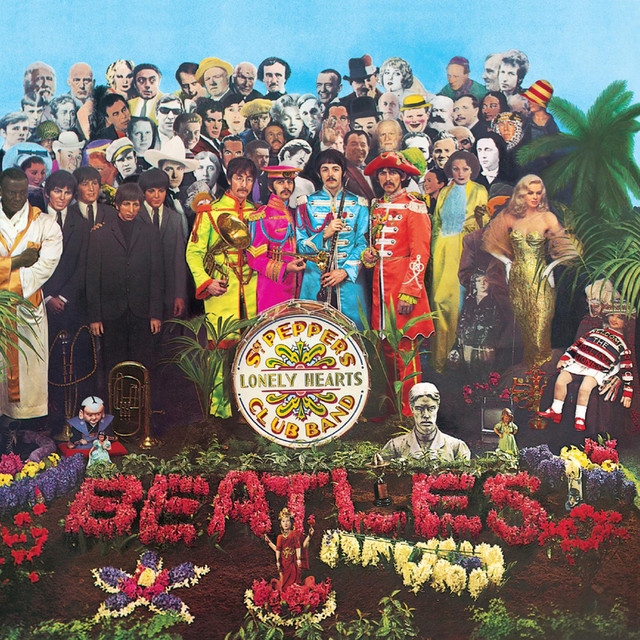
The Beatles: “Lucy In The Sky With Diamonds”
While the band claimed the title came from a child’s drawing, the BBC was convinced the initials stood for LSD. Because of the perceived drug references, this psychedelic masterpiece was kept off the British airwaves for years.
Madonna: “Like A Prayer”
The blend of religious imagery and sexual tension in the song and video caused an absolute uproar with the Vatican. The controversy became so heated that major corporate sponsors bailed on her, and the song faced bans in several countries.
The Rolling Stones: “(I Can’t Get No) Satisfaction”
In the mid-sixties, radio sensors were working overtime to catch any hint of sexual innuendo. They found it here in the line “trying to make some girl,” leading to heavy editing during television and radio broadcasts.
U2: “Walk On”
This track was not banned for a curse word, but for its political support of pro-democracy activist Aung San Suu Kyi. The government in Burma made the song and the album illegal, proving that a positive message can be just as “dangerous” as a negative one.
Eminem: “The Real Slim Shady”
Even the “clean” version of this song got a radio station in hot water with the FCC. The government issued a fine because they felt the suggestive themes and innuendo were still too graphic for the public, regardless of the lack of profanity.
The Sex Pistols: “God Save The Queen”
Released during the Queen’s Silver Jubilee, this punk anthem was seen as a direct attack on the British monarchy. The BBC refused to play it even when it hit the number two spot on their own official charts.
John Lennon: “Imagine”
This anthem for peace has faced repeated bans during times of war, specifically during the Gulf War and after 9/11. Some programmers felt the line “imagine there’s no heaven” was a slight against religion that listeners could not handle during a crisis.
Sarah Jones: “Your Revolution”
In a bizarre twist, the FCC labeled this song obscene even though it was actually a critique of the way women are treated in music. It took a long legal battle to prove that social commentary is not the same thing as indecency.
Frankie Goes To Hollywood: “Relax”
A BBC disc jockey famously became so offended by the suggestive nature of this track that he broke the record on the air. The resulting ban backfired completely, sending the song straight to the top of the charts for over a month.
Rage Against The Machine: “Take The Power Back”
Decades after its release, this song was actually banned from a school district’s curriculum in Arizona. Officials claimed the lyrics promoted “ethnic solidarity” rather than individualism, leading to a legal fight over educational freedom.
Neil Young: “This Note’s For You”
Neil Young took a swing at corporate sponsorship and MTV originally refused to show the video. They did not like him naming brands or mocking other pop stars, though they changed their tune once the song became a hit elsewhere.
The Doors: “Light My Fire”
Jim Morrison famously refused to change the word “higher” during a live TV performance, leading to a lifetime ban from the show. Years later, the BBC also pulled the song during the Gulf War simply because it contained the word “fire.”
Olivia Newton-John: “Physical”
While it sounds like a harmless workout track, many stations in the eighties found the lyrics far too suggestive for daytime play. The music video also faced censorship because it featured a gay couple, which was considered too controversial for the time.
Nine Inch Nails: “The Hand That Feeds”
Trent Reznor walked away from a major performance after he was told he could not use a projection of the President as a backdrop. The song’s sharp political edge made network executives nervous about offending the administration.
Jadakiss: “Why”
This hip-hop track faced heavy censorship because of a specific line questioning the government’s role in the 9/11 attacks. Radio stations and even his own label felt the political accusations were a bridge too far for the airwaves.
The Bangles: “Walk Like An Egyptian”
This is a classic case of “better safe than sorry” censorship following 9/11 and the Gulf War. Programmers pulled the song from rotation because they did not want any references to the Middle East to upset or distract the public during a conflict.
The Kingsmen: “Louie, Louie”
The lyrics to this song are so slurred that the FBI actually spent nearly three years investigating whether they were obscene. They could not figure out what was being said, but many stations banned it anyway just in case it was dirty.
Britney Spears: “If U Seek Amy”
The title of this song is a clever phonetic double-entendre that sounds like an expletive when spoken quickly. Under pressure from parent groups, radio stations were forced to edit the title or the lyrics to keep it on the air.
The Kinks: “Lola”
This hit did not get banned for sex or politics, but for “product placement.” Because the original lyrics mentioned “Coca-Cola,” the BBC labeled it an advertisement, forcing Ray Davies to fly 6,000 miles to re-record the line as “cherry cola.”