


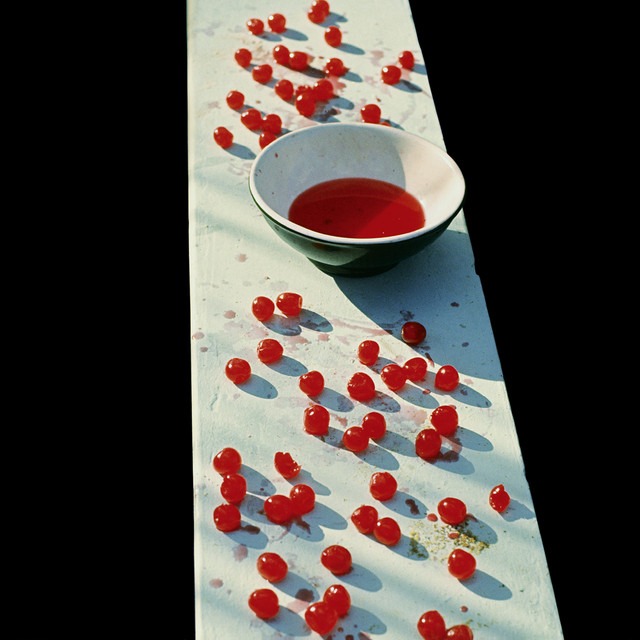
Paul McCartney’s self-titled debut album stands as one of the most historically significant solo records in rock history. Released on April 17, 1970, just days before the official announcement of the Beatles’ break-up, the album captured McCartney at his most vulnerable and isolated. Recorded mostly in secrecy at his home in St John’s Wood using basic four-track equipment, the lo-fi record eschewed the polish of Beatles productions in favor of raw, intimate performances. Despite receiving mostly unfavorable reviews upon release and McCartney being vilified for seemingly ending the Beatles, the album held the number 1 position for three weeks on the US Billboard Top LPs and has since been credited for influencing DIY musicians and lo-fi music styles for generations.
The Album Was Created During A Severe Depression And Near Nervous Breakdown
McCartney recorded his debut solo album during a period of severe depression following John Lennon’s private departure from the Beatles in September 1969. He withdrew to his farm in Campbeltown, Scotland, where author Howard Sounes writes that McCartney was “depressed and drunk” while Linda had “a seven-year-old and a baby to look after,” making it “one of the most difficult times in her life.” McCartney later reflected that he might have become a rock and roll casualty at this point in his career, admitting “I nearly had a breakdown. I suppose the hurt of it all, and the disappointment, and the sorrow of losing this great band, these great friends, I was going crazy.”
McCartney Used The Pseudonym “Billy Martin” To Keep The Album Secret
To maintain the project’s secrecy, McCartney worked at Morgan Studios under the pseudonym “Billy Martin” when he transferred his home recordings from four-track to eight-track tape in February 1970. Engineer Robin Black was among the few people who knew McCartney was making a solo album. McCartney described his home-recording setup as “Studer, one mic, and nerve,” recording without a mixing desk and therefore without VU displays as a guide for recording levels, creating what he called a “very analogue, very direct” sound.
“The Lovely Linda” Was Only A Test Recording That Made The Final Album
The opening track “The Lovely Linda” was McCartney’s first recording for the album, a 45-second portion of a song he wrote in Campbeltown to test his new Studer four-track recorder. The performance was only intended as a test of the new equipment, but it was included on the official release as the opening track, complete with the sound of McCartney giggling at the end. McCartney stated upon release that “The Lovely Linda” was a “trailer to the full song which will be recorded in the future,” but he has yet to release a more complete version.
The Self-Interview Press Release Actually Announced The Beatles’ Break-Up
On April 9, 1970, McCartney released a Q&A package to the British press compiled with the help of Apple executives Derek Taylor and Peter Brown. Although McCartney later recalled that he was responding to questions put to him, both Brown and Taylor said that McCartney wrote all the questions himself. While stopping short of saying the band was finished, McCartney stated he did not know whether his “break with the Beatles” would be temporary or permanent. The Daily Mirror ran the first reaction from the press on April 10 with the headline “PAUL IS QUITTING THE BEATLES,” and newspaper headlines around the world reduced the story to screaming variations of “PAUL BREAKS UP THE BEATLES.”
“Maybe I’m Amazed” Received Massive Airplay Despite Never Being Released As A Single
McCartney refused to issue “Maybe I’m Amazed” or any other song from the album as a single despite the piano-based ballad dedicated to Linda receiving considerable airplay on US radio. Recorded entirely in EMI’s Number Two studio at Abbey Road on February 15, 1970, McCartney played all the instruments including guitars, bass, piano, organ and drums. A promotional film was made comprising still photographs of McCartney, his wife Linda, and daughters Heather and Mary, which aired in the UK on April 19, 1970 on ITV and later as part of an episode of CBS’s The Ed Sullivan Show. Rolling Stone magazine ranked “Maybe I’m Amazed” number 347 on its 500 Greatest Songs of All Time list in 2011, and in 2024 the magazine ranked it number 1 of all the former Beatles’ solo songs.