


The history of rock and roll is often written by the frontmen and the guitar heroes who stand in the brightest spotlights. Yet the true architecture of the most legendary songs usually belongs to the quiet architects working in the shadows of the stage. These are the players who provided the essential DNA for the world’s most famous catalogs while the singers took the credit. From the basement of Motown to the sprawling synth textures of the eighties, these musicians built the foundations that allowed their bands to reach legendary status.
Alan Wilder
The sonic landscape of Depeche Mode changed forever when this arrangement wizard took over the studio duties. He transformed simple pop melodies into the dark and industrial masterpieces found on ‘Violator’.
Andy Summers
The Police would have been a standard punk trio without the jazz-influenced textures and ethereal chorus pedals of this guitar innovator. His atmospheric layering on “Every Breath You Take” defines the entire aesthetic of the eighties.
Benmont Tench
As the cornerstone of The Heartbreakers, his tasteful piano trills and organ swells provided the soulful glue for every Tom Petty anthem. His ability to play exactly what the song requires remains a benchmark for session players everywhere.
Bernie Worrell
The futuristic funk of Parliament-Funkadelic owes its existence to the Moog synthesizer explorations of this keyboard pioneer. He essentially rewrote the rules of the bass line and paved the way for the digital era of music.
Billy Strayhorn
Often working in the shadow of Duke Ellington, this composer was the secret weapon behind “Take the ‘A’ Train” and countless other standards. His sophisticated harmonic language elevated jazz to a higher art form during his decades of collaboration.
Carol Kaye
As a member of The Wrecking Crew, she provided the melodic bass movement for hundreds of hits ranging from The Beach Boys to Ray Charles. Her picking technique and rhythmic precision created the heartbeat of the American pop charts.
Chris Frantz
The steady and danceable pulse of Talking Heads came from this drummer who understood the power of the groove. He successfully merged art-rock with world music rhythms to create a sound that felt both intellectual and physical.
Chuck Leavell
After shaping the southern rock sound of The Allman Brothers Band, he became the primary keyboardist for The Rolling Stones for over forty years. His piano work brings a necessary boogie-woogie grit to the world’s greatest rock and roll band.
Colin Greenwood
While the world focuses on the guitar histrionics of Radiohead, his melodic bass lines provide the emotional anchor for ‘OK Computer’. He navigates complex time signatures with a fluid grace that keeps the experimental music accessible.
George Harrison
Being the third songwriter in The Beatles meant his contributions were often overlooked until the release of ‘All Things Must Pass’. His slide guitar work and Eastern influences gave the band a spiritual depth that transformed popular culture.
James Jamerson
The Motown sound was built on the fingers of this bass legend who played on more number one hits than The Beatles and Elvis combined. His syncopated lines on “What’s Going On” changed the way the instrument was perceived forever.
John Deacon
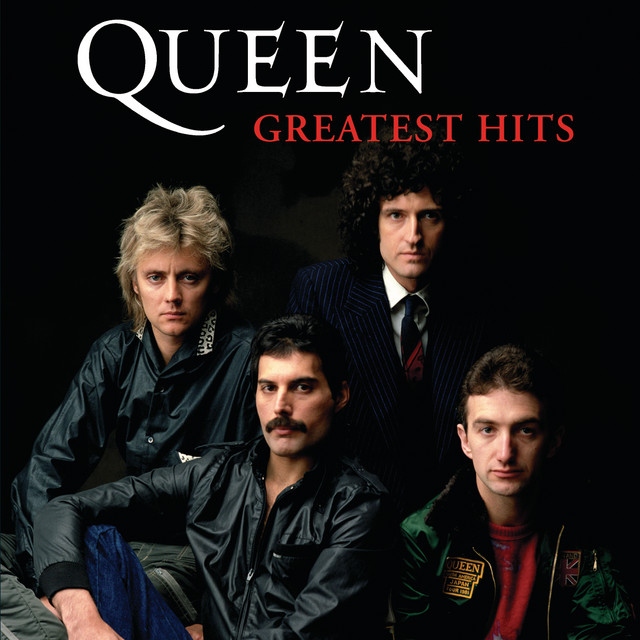
The silent member of Queen wrote some of the biggest global hits including “Another One Bites The Dust” and “I Want To Break Free”. His rhythmic pocket and understated brilliance provided the steady heartbeat behind the flamboyant genius of Freddie Mercury.
John Entwistle
Nicknamed The Ox, he revolutionized the bass by playing it like a lead instrument for The Who. His thunderous tone and lightning-fast runs on “My Generation” proved the rhythm section could be just as loud as the singer.
John Paul Jones
The secret engine of Led Zeppelin was a world-class arranger and multi-instrumentalist who handled everything from bass to mandolin. His keyboard work on ‘Physical Graffiti’ provided the heavy blues-rock unit with a symphonic scale.
Krist Novoselic
The massive low end of Nirvana provided the heavy foundation that allowed the melodies to cut through the grunge distortion. His simple and driving bass parts are the essential pulse of the entire Generation X soundtrack.
Mick Ronson
David Bowie found his perfect foil in this guitarist and arranger who helped create the Ziggy Stardust persona. His glam rock riffs and sophisticated string arrangements on ‘Hunky Dory’ defined the sound of the early seventies.
Mike Campbell
He is the ultimate co-captain who co-wrote “Refugee” and provided the signature guitar hooks for The Heartbreakers. His economical playing style is a lesson in how to serve the song without ever overplaying.
Ray Manzarek
The Doors lacked a traditional bass player, so he filled the gap with his left hand on the organ while playing lead melodies with his right. His hypnotic Vox Continental swirls created the psychedelic atmosphere of the 1960s.
Richard Wright
The lush and panoramic textures of Pink Floyd were born from his Hammond organ and Farfisa layers. His vocal harmonies and jazz-inflected chords on ‘The Dark Side of the Moon’ provided the soul behind the spectacle.
Tina Weymouth
Her bouncy and infectious bass lines turned Talking Heads into a global dance phenomenon with tracks like “Psycho Killer”. She proved that a minimalist approach could produce some of the most memorable rhythms in rock history.