


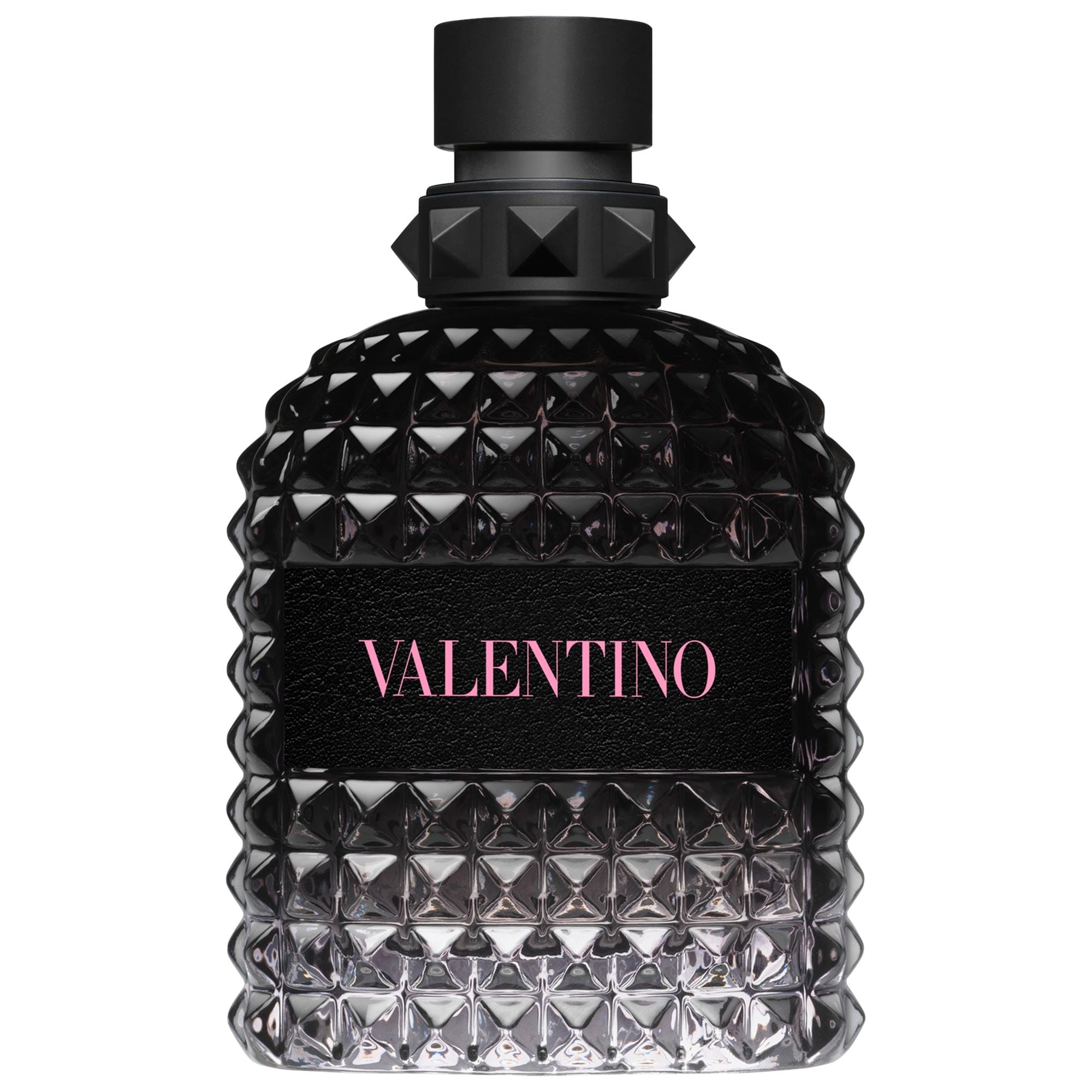
When Valentino Garavani passed away in Rome at 93, the fashion world lost more than a designer. It lost a guardian of beauty, discipline, and devotion. Valentino believed elegance was an act of care – for craft, for history, for the people who wear clothes and the people who make them. In that spirit, here are 25 lesser-known facts about a man who treated fashion as a lifelong responsibility.
- His mother named him after silent-film star Rudolph Valentino, sensing destiny early.
- His first fashion lessons came from his aunt Rosa in Voghera, not Paris.
- He apprenticed under local designer Ernestina Salvadeo before formal schooling.
- He studied at both the Ecole des Beaux-Arts and the Chambre Syndicale in Paris.
- He assisted Jean Desses by sketching for Countess Jacqueline de Ribes.
- A vacation dispute in Saint-Tropez ended one Paris chapter of his career.
- He returned to Italy in 1959 to relearn couture the Roman way.
- His first Rome atelier opened on Via Condotti in 1960.
- Models for his debut show were flown in from Paris to Rome.
- Valentino Red emerged from his love of opera costumes in Barcelona.
- He met Giancarlo Giammetti by chance at Cafe de Paris on Via Veneto.
- Giammetti left architecture school to save Valentino from bankruptcy.
- Florence, not Paris, hosted his international debut in 1962.
- Jacqueline Kennedy ordered six black-and-white dresses after a private fitting.
- He designed her wedding dress to Aristotle Onassis.
- His iconic V logo debuted in an all-white 1967 collection.
- He quietly followed trends but refined them through tailoring.
- The 1970s made him a favorite of New York society.
- Diana Vreeland championed him relentlessly in the US.
- Joan Collins made him a Dynasty-era household name.
- He designed luxury interiors for a Lincoln Continental line.
- Accademia Valentino funded AIDS support initiatives in Rome.
- He appeared as himself in The Devil Wears Prada.
- His final couture show earned a standing ovation at Musee Rodin.
- He never stopped believing elegance was a moral choice.
Valentino showed that fashion can be disciplined without being cold, luxurious without being careless, and timeless without being rigid. His legacy lives on not just in dresses, but in standards.