


You know what’s fascinating about film music? Sometimes a movie comes along that’s perfectly fine—maybe even good—but the soundtrack? The soundtrack becomes legendary. It outlives the film. It defines an era. It sells millions of copies and influences countless artists while the movie itself fades into late-night cable obscurity. I’ve spent decades tracking how music intersects with popular culture, and these ten soundtracks didn’t just complement their films—they absolutely carried them, often becoming more culturally significant than the movies themselves. Let’s dig in.
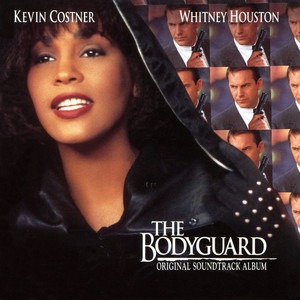
The Bodyguard (1992) Whitney Houston’s rendition of a certain Dolly Parton ballad became one of the best-selling singles of all time, spending 14 weeks at number one. The album moved over 45 million copies worldwide, making it one of the biggest soundtrack albums ever. Houston’s powerhouse vocals turned what was essentially a formulaic romantic thriller into a cultural phenomenon, with the music far outlasting the film’s modest critical reception.
Saturday Night Fever (1977) The Bee Gees essentially defined disco’s commercial peak with this double album that sold over 40 million copies. Tracks like their falsetto-driven dance anthems dominated 1978, with four number-one singles from a single soundtrack—a record that stood for decades. The film was decent, but the music created a global movement, influencing everyone from dance music producers to modern electronic artists.
Purple Rain (1984) Prince at his absolute peak delivered an album that spent 24 weeks at number one and won an Oscar for Best Original Song Score. The title track became a rock anthem, while other cuts demonstrated his genre-blending mastery of funk, rock, and pop. The semi-autobiographical film works fine, but it’s basically a feature-length music video for one of the greatest albums of the 1980s.
Trainspotting (1996) This collection of Britpop, electronica, and alternative rock captured mid-90s UK music culture perfectly. Featuring established acts alongside emerging artists, it introduced North American audiences to a specific strain of British cool. The soundtrack became a bigger cultural touchstone than the film itself, influencing fashion, club culture, and the entire “Cool Britannica” movement.
Singles (1992) Released during grunge’s commercial explosion, this soundtrack captured Seattle’s musical moment with contributions from the scene’s biggest names. It became a snapshot of alternative rock’s mainstream breakthrough, with several tracks becoming modern rock radio staples. The romantic comedy was likeable but forgettable; the music defined a generation’s sound.
Pulp Fiction (1994) Quentin Tarantino’s eclectic selection of surf rock, soul, and pop obscurities introduced younger audiences to forgotten gems and revitalized careers. The soundtrack’s unexpected juxtapositions influenced how filmmakers thought about musical curation. It sold millions and made previously obscure tracks into cultural references, demonstrating that smart musical choices could be as important as dialogue.
The Crow (1994) This dark collection of industrial rock, alternative metal, and goth influences became a landmark for 90s hard rock. Featuring original compositions and collaborations specifically created for the film, it captured a specific aesthetic that influenced countless bands. The soundtrack massively outsold the film’s box office and became a touchstone for alternative music fans.
Garden State (2004) Zach Braff’s carefully curated collection of indie rock and folk helped define the “indie soundtrack” template for the 2000s. It introduced mainstream audiences to artists who’d been toiling in obscurity and essentially created a blueprint for how independent music could reach wider audiences through film. The soundtrack won a Grammy and launched numerous careers, far exceeding the film’s cultural footprint.
Judgment Night (1993) This experimental collaboration between hip-hop artists and rock bands was ahead of its time, predicting the rap-rock fusion that would dominate late-90s mainstream rock. While the film disappeared quickly, the soundtrack’s innovative approach influenced the entire nu-metal movement and demonstrated how genre barriers could be productively crossed.
O Brother, Where Art Thou? (2000) This collection of bluegrass, folk, and traditional American music sparked a full-blown roots music revival, selling over 8 million copies and winning the Grammy for Album of the Year. It introduced mainstream audiences to traditional forms and influenced countless Americana artists. The Coen Brothers film was charming, but the soundtrack became a genuine cultural phenomenon that revitalized entire musical genres.