


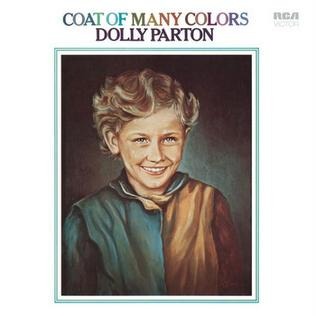
Ever wonder when a performer stops being just a singer and starts becoming an icon? For Dolly Parton, that moment happened in October 1971. Before this, she was largely seen as the girl singer on Porter Wagoner’s arm—a powerhouse talent, sure, but playing second fiddle.
Then came Coat of Many Colors.
It’s the record that proved Dolly was a world-class songwriter who could find the universal in the deeply personal. It’s lean, it’s mean (at under 30 minutes), and it’s arguably one of the most important blueprints for modern country music. From the Library of Congress to the top of Rolling Stone lists, this album is the bedrock of the Dolly legend. It’s where the “Iron Butterfly” first took flight.
- The Receipt that Changed Everything
- Dolly didn’t have a notepad handy when inspiration struck for the title track while on a tour bus with Porter Wagoner. She famously scribbled the lyrics on the back of a dry-cleaning receipt for one of Wagoner’s suits; he later had that piece of paper framed, and it now sits in the Chasing Rainbows Museum.
- The Mystery of the Vanishing Verse
- If you look at the lyric sheet of the 1975 Best of Dolly Parton compilation, you’ll find a “ghost verse” that doesn’t appear on the actual recording. It serves as a final moral to the story, emphasizing that no material wealth is as precious as her mother’s memory, yet Dolly chose to leave it off the studio version for a punchier ending.
- A Productivity Record for the Books
- 1971 was the year Dolly decided to outwork everyone in Nashville. Coat of Many Colors was actually one of three studio albums she released that single year, alongside The Golden Streets of Glory and Joshua, marking the most prolific 12-month stretch of her entire career.
- The Slow Burn to the “Trio” Supergroup
- The track “My Blue Tears” is a masterclass in songwriting that Dolly refused to let go of. After its 1971 debut, she re-recorded it in 1978 with Emmylou Harris and Linda Ronstadt for a project that sat on the shelf for years before finally surfacing on Ronstadt’s Get Closer and later the legendary Trio album.
- The Mother’s Re-Creation
- While the song is a tribute to the original coat made of rags, that garment was actually used for other purposes and lost to time. To ensure fans could see what the song was about, Dolly’s mother, Avie Lee Parton, actually sewed a brand-new “re-creation” of the famous coat specifically to be put on display at Dollywood.