


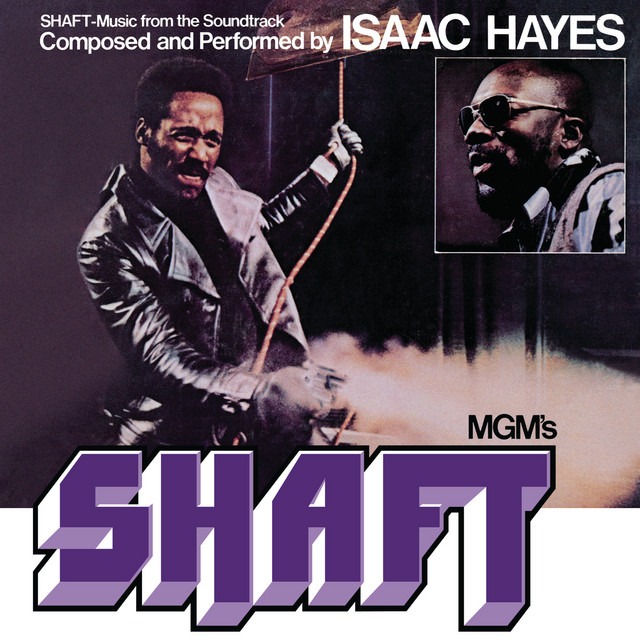
When Isaac Hayes stepped into the studio to record the soundtrack for Shaft in 1971, he was not just making movie music. He was creating a cultural phenomenon that would define the sound of soul and funk for decades to come. This double album became a massive success for Stax Records and earned Hayes a historic place in Academy Awards history. Beyond the iconic wah-wah guitar and that famous baritone voice, there are some truly fascinating stories behind this legendary LP.
The Audition That Never Happened
Isaac Hayes initially agreed to compose the score because he hoped it would lead to him being cast in the title role of John Shaft. He was not actually aware that Richard Roundtree had already been selected for the part when he first got involved. While he did not get to play the lead, he eventually made a memorable cameo appearance as a bartender in the film.
A Historic Achievement for R&B
This release broke new ground in the music industry by becoming the first double album of original studio material ever put out by an R&B artist. Its success was immediate and overwhelming as it reached the number one spot on the Billboard 200 chart. The record also achieved platinum status within just one month of its arrival in record stores across the country.
Re-recording for a Richer Sound
The music you hear on the soundtrack album is actually a separate recording from the tracks used in the movie itself. Because the MGM studio facility only used a three-track system, Hayes felt the sound was not deep enough for a commercial release. He returned to Stax Studios to re-record and rearrange the pieces to ensure the final LP had the rich and lush quality he desired.
Breaking Barriers at the Oscars
The success of the title theme led to a truly historic moment at the 1972 Academy Awards ceremony. When Theme from Shaft won for Best Original Song, Isaac Hayes became the first African-American to win an Oscar in a non-acting category. He celebrated this monumental achievement by bringing his grandmother to the stage and dedicating the award to her.
Preserved for Future Generations
In recognition of its immense cultural and historical impact, the Library of Congress added the album to the National Recording Registry in 2014. This honor is reserved for recordings that are considered aesthetically significant to the American soundscape. It stands as a testament to how Hayes successfully changed the way contemporary soul music was used and marketed in cinema.