


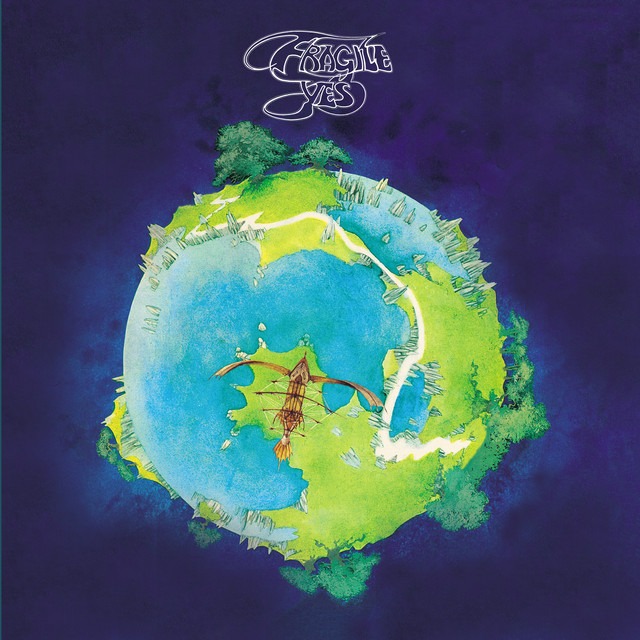
When Yes released Fragile in November 1971, they were a band on the verge of a massive global explosion. This album marked a pivotal moment where their intricate arrangements and soaring harmonies found a perfect balance with newfound commercial power. Featuring the debut of a legendary keyboardist and the first appearance of their most famous cover artist, this record remains a cornerstone of the progressive rock movement. Here are five incredible stories from the making of this platinum-selling masterpiece.
A New Sound and a Tough Choice
Rick Wakeman joined the band at a critical moment after Tony Kaye left due to artistic differences regarding electronic instruments. On the very same day he was invited to join Yes, he was also offered a prestigious touring spot with David Bowie. He chose to join the band because he felt they offered him more artistic freedom to use his massive array of Mellotrons and Moog synthesizers.
The Five Percent Management Fee
The quirky thirty-five-second instrumental track titled Five Per Cent for Nothing was actually a clever jab at the band’s former business affairs. Bill Bruford came up with the title as a reference to a deal where their former manager, Roy Flynn, was entitled to five percent of their future royalties. It stands as a short and complex rhythmic exercise that showed off the band’s technical precision.
The Secret Origin of Roundabout
The lyrics for the hit song Roundabout were written by Jon Anderson and Steve Howe while they were traveling in a transit van through the Scottish Highlands. After encountering nearly forty different roundabouts on the road from Aberdeen to Glasgow, they decided to write about the journey and the misty mountains. The famous line about mountains coming out of the sky was a literal description of the peaks appearing through the heavy clouds.
Forward Thinking with Backward Audio
One of the most recognizable moments in rock history is the swelling piano note that opens the album. To create this dramatic effect, the band recorded two piano chords and then physically played the tape backward so the sound would rush toward the listener. This innovative studio technique gave the opening of the record a mystical quality that perfectly set the stage for the music to follow.
A Bonsai World and a Lost Masterpiece
This album was the first time the band worked with artist Roger Dean, who created the famous image of a tiny planet breaking apart. Dean originally developed a creation myth about a space ark towing pieces of a broken world which fit the band’s feelings of being fragile at the time. While the artwork is world-famous, the original paintings for the front and back covers were unfortunately stolen from a London hotel room years ago.