


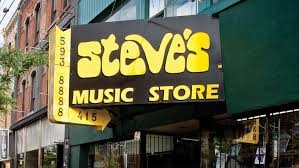
It feels like another gut punch for Canadian music culture.
For nearly five decades, Steve’s Music Store on Queen West was not just a place to buy strings, pedals, or amps. It was a gathering point. A classroom. A meeting spot. A place where beginners and legends brushed shoulders. When stores like this close, we lose more than retail. We lose shared history, accidental conversations, and the spaces where music dreams quietly begin.
Steve’s story mirrors so many beloved music shops across the country. Deep roots. Loyal customers. Cultural importance. And yet, the same pressures keep pushing these institutions toward the exit. So what’s really behind these closures, and is there anything hopeful on the other side?
Let’s break it down.
Why music stores like Steve’s are closing
1. Commercial rent has outpaced culture
Queen West rents have skyrocketed. Music stores need space for instruments, amps, and people to linger. That kind of footprint no longer fits the economics of modern retail streets.
2. Online shopping changed expectations
Musicians now research gear obsessively online and expect instant price matching. Brick-and-mortar shops offer expertise and touch, but they cannot compete with warehouse pricing.
3. Operating costs keep climbing
Staff wages, shipping, insurance, and utilities all cost more than they did even a few years ago. Music retail margins were always slim. Now they are razor thin.
4. Fewer casual browsers
People don’t wander into stores the way they once did. Shopping is purposeful. Many decisions are already made before someone steps through the door.
5. Downtown foot traffic never fully recovered
Post-pandemic downtowns look different. Destination retail, especially non-essential shopping, has struggled to regain its former rhythm.
6. Supply chains became unpredictable
Delays, shortages, and inconsistent inventory made it harder for stores to stock the gear customers wanted, when they wanted it.
7. Fewer new musicians entering the pipeline
Compared to past decades, fewer young people are picking up instruments, which affects long-term growth and future customers.
8. Cultural anchors disappeared
With places like MuchMusic no longer drawing musicians and fans to the area, organic foot traffic faded.
9. Music creation has changed
Today’s producers often need laptops, software, and plugins more than amps and drum kits. Traditional gear sells differently now.
10. Retail turnover feeds itself
As stores close, streets lose their energy. Fewer destinations mean fewer reasons to visit, accelerating the cycle of decline.
The silver linings we should not ignore
As painful as these closures are, they also signal change rather than an ending.
1. Community-first music spaces can thrive
Smaller shops focused on lessons, repairs, jams, and workshops can offer something online stores never will: connection.
2. Curated shops over mega stores
The future may belong to specialized retailers that serve specific scenes, genres, or instruments with deep knowledge.
3. Gear becomes more accessible
Liquidations and secondhand markets put great instruments into the hands of new musicians at affordable prices.
4. Cultural memory gets renewed attention
Closures spark reflection. People remember what these spaces meant and why they mattered, keeping their stories alive.
5. New hybrid models emerge
Pop-ups, co-ops, studio-retail hybrids, and artist-run spaces can fill the gap in creative, flexible ways.
What Steve’s might do next
The end of the Toronto location does not mean the end of the story.
1. Strengthen the Montreal flagship
With one remaining store, Steve’s can become a true destination with deeper inventory and stronger national identity.
2. Expand education and digital presence
Lessons, tutorials, livestream demos, and gear explainers can extend the brand far beyond physical walls.
3. Lean into legacy
Nearly 60 years of history matters. Storytelling, archives, and retrospectives keep the name alive and meaningful.
4. Partner with artists and institutions
Collaborations with schools, festivals, and musicians like Jack White and all those amazing artsts from the 1970s, 80s, and recent decades reinforce cultural relevance and visibility.
5. Rethink what a music store is
Less warehouse. More clubhouse. Fewer SKUs. More advice, trust, and shared love of music.
Music stores built scenes. They launched careers. They gave people a place to belong before they ever found a stage.
When a shop like Steve’s closes, it hurts because it reminds us that culture needs space to breathe. The hope is that whatever comes next remembers that music has always been about more than what’s on the shelf.