


Steely Dan’s 1972 debut, Can’t Buy a Thrill, arrived as a masterclass in stylistic fusion, blending soft rock, pop, and jazz with the band’s signature philosophical lyrics. Recorded at the Village Recorder in Los Angeles, the album was a major commercial success, peaking at number 17 on the US charts and eventually achieving platinum status. While it launched massive hits like “Do It Again” and “Reelin’ In the Years,” the project was also a period of transition for the band’s lineup and vocal identity.
The Lead Singer Who Wasn’t Fagen
While Donald Fagen eventually became the unmistakable voice of the band, he originally had concerns about singing lead. This led the group to recruit David Palmer, who provided lead vocals for several tracks on the album, including the soulful “Dirty Work”. It was not until the recording of their second album that producer Gary Katz and the band convinced Fagen to step into the full-time role of lead vocalist.
A Title Inspired by Dylan
The album’s title, Can’t Buy a Thrill, carries a literary nod to a folk legend. The phrase is a direct reference to the opening line of the Bob Dylan song “It Takes a Lot to Laugh, It Takes a Train to Cry”. This choice reflects the band’s deep appreciation for elliptical and poetic songwriting traditions.
Jimmy Page’s Favorite Guitar Solo
The second single from the album, “Reelin’ In the Years,” features a blistering guitar solo by Elliot Randall that was famously captured in just one take. Led Zeppelin’s Jimmy Page eventually named this his favorite guitar solo of all time, reportedly scoring it a 12 out of 10. The performance was so impactful that Guitar World readers later ranked it as one of the top 40 best solos in music history.
The Banned Cover Art
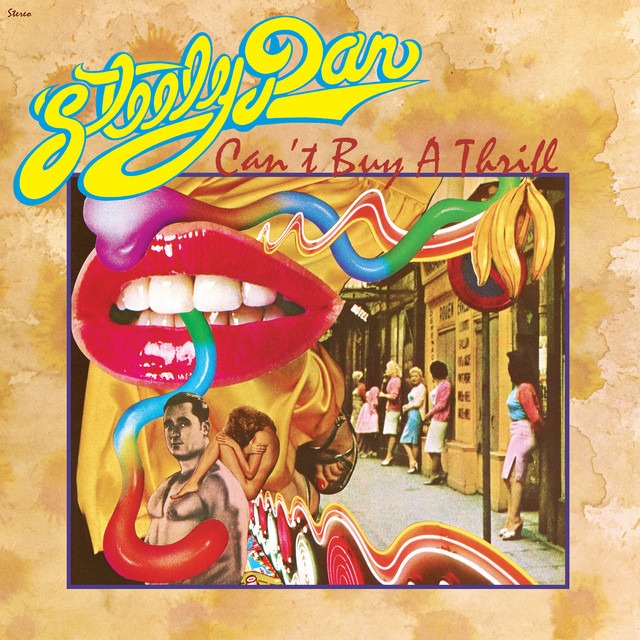
The original album cover featured a provocative photomontage by Robert Lockart, including images of prostitutes in Rouen, France, to represent the thrill mentioned in the title. Because of this imagery, the cover was actually banned in Francoist Spain and had to be replaced by a standard photograph of the band in concert. Interestingly, Becker and Fagen later looked back on the artwork critically, jokingly calling it one of the most hideous covers of the decade.
Hidden Political Allusions
Despite its upbeat soft rock sound, the track “Fire in the Hole” contains a sharp reference to the political climate of the late 1960s. The title uses a phrase common among American soldiers in Vietnam, while the lyrics allude to students—including Becker and Fagen themselves—who evaded the military draft. This blend of radio-friendly melodies with heavy, real-world themes became a hallmark of the band’s songwriting.