


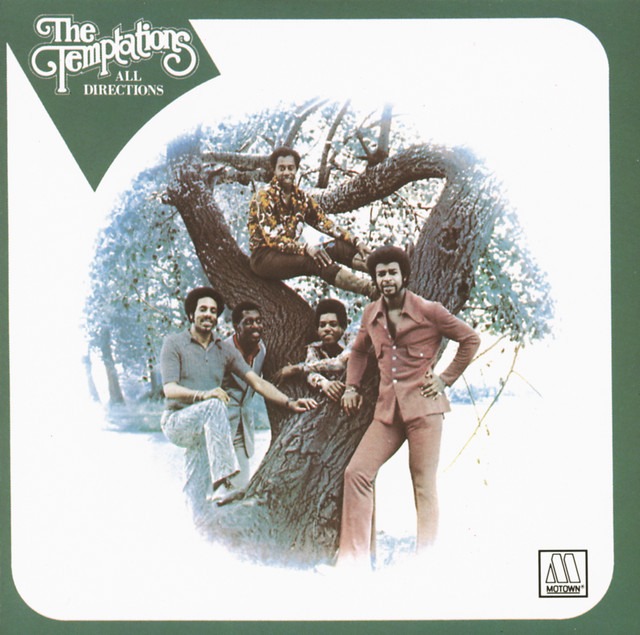
In 1972, The Temptations pushed the boundaries of R&B with the release of All Directions, an album that redefined their sound under the bold direction of producer Norman Whitfield. Reaching number two on the Billboard 200, it stands as the group’s most successful non-collaborative effort on the chart and secured their twelfth number one on the Top R&B Albums chart. While the record is anchored by the massive, 12-minute cinematic masterpiece “Papa Was a Rollin’ Stone,” the project was born out of intense creative friction and a complete departure from the group’s classic ballad roots.
The Song the Group Fought to Avoid
Despite its legendary status today, The Temptations fought tooth and nail against recording “Papa Was a Rollin’ Stone”. The group was convinced that the track and the All Directions album would flop, leaving them eager to return to their traditional ballad style found in hits like “My Girl”. They specifically disliked that producer Norman Whitfield’s complex instrumentation was receiving more emphasis than their own vocals.
A Case of Mistaken Dates and Personal Friction
A long-standing legend suggests lead singer Dennis Edwards was deeply upset by the song’s opening line about a father dying on the third of September. While the story claims his father died on that exact day, his father actually passed away on the third of October. Furthermore, Whitfield forced an increasingly frustrated Edwards to re-record his parts dozens of times to capture a specific bitter grumble, a grueling process that eventually contributed to Whitfield’s dismissal as their producer.
The Secret Length of a Classic
While the album sleeve for All Directions lists “Papa Was a Rollin’ Stone” at 11:45, the original vinyl version actually runs significantly longer. Due to an extended fade-out featuring sequential drum fills, the true original LP version reaches approximately 12:04. Most CD reissues and compilations use a shortened 11:45 edit, meaning the full 12-minute experience is primarily found on the original vinyl or the Psychedelic Soul compilation.
A Socially Conscious Struggle
The group also strongly resisted recording “Run Charlie Run,” a track dealing with the social phenomenon of white flight. The song required the members to repeatedly call out “the n***** are comin’!” using an affected Caucasian accent. This socially conscious Black power track represented the experimental and often uncomfortable territory Whitfield pushed the group toward during this era.
The Triple-Grammy “B-Side” Success
“Papa Was a Rollin’ Stone” was such a powerhouse that it secured three separate Grammy Awards in 1973, including one for its own B-side. While the Temptations won for Best R&B Performance by a Group, the instrumental version on the flip side—featuring only the Funk Brothers’ backing track—won Best R&B Instrumental Performance. This marked the last classic number one hit for the group and their final competitive Grammy win.