


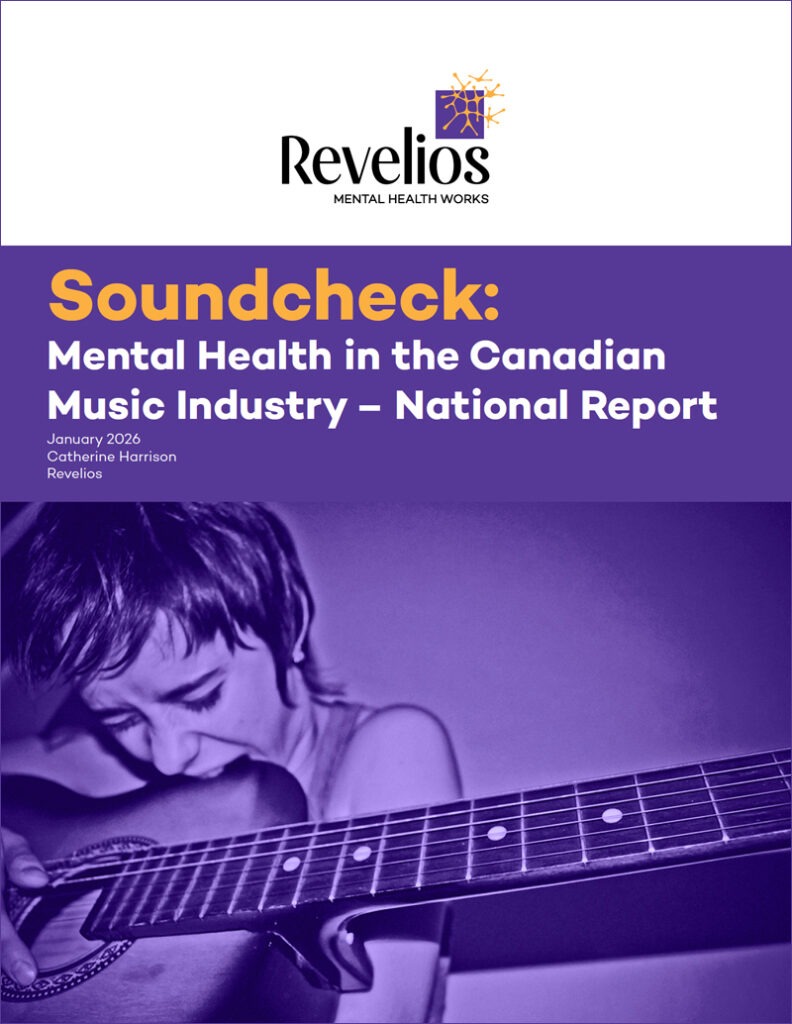
The Soundcheck Study, authored by Catherine Harrison and published this week, serves as the first comprehensive national report to document the pervasive mental health challenges within the Canadian music sector. Utilizing a mixed-methods approach, the study integrated quantitative data from 1,216 survey participants with qualitative insights from focus groups and interviews to reveal a workforce in significant distress. The findings indicate that mental health challenges are endemic, affecting 50-86% of industry members—a staggering contrast to the approximately 12% prevalence rate found in the general Canadian workforce.
At the heart of this crisis is a profound sense of financial precarity, cited by 84% of respondents as a primary stressor. The transition to digital streaming has drastically reduced artist revenues to mere fractions of a penny, while the disappearance of stable live performance income during the pandemic exacerbated existing instabilities. This economic fragility creates a “precarious labour” environment characterized by irregular income and a lack of basic benefits, leaving only 5% of music workers feeling a genuine sense of job security.
The study sheds light on alarming rates of suicidal ideation, with 53% of participants reporting they have felt life was not worth living and 43% admitting to having thought about taking their own lives. These lifetime prevalence rates are nearly four times higher than the 12% average for the general Canadian population. Such data underscores the high-risk nature of the profession, mirroring international trends where entertainers consistently rank among the highest-risk occupational groups for suicide.
Workplace culture and the normalization of substance use further complicate the mental health landscape. The industry’s traditional “sex, drugs, and rock and roll” mythology often frames substance use as a signifier of creative authenticity. Consequently, 42% of workers use substances for socializing and networking, while 40% do so to cope with work-related stress. This creates a dual stigma: 86% feel stigmatized for having a substance use challenge, yet 58% also feel stigmatized for choosing abstinence or recovery.
The report identifies systemic barriers to care, most notably a pervasive stigma surrounding mental health mentioned by 72% of participants. Despite high literacy—73% believe they have tools for self-support—80% are unaware of resources specifically tailored to the unique pressures of the music industry. This gap between need and awareness is critical, especially as 93% of respondents expressed a strong desire to learn how to better support their peers.
Demographic data reveals that marginalized groups experience compounded vulnerabilities due to systemic discrimination. For instance, 76% of women and non-binary individuals strongly or somewhat agree that sexism directly impacts their mental health, whereas 73% of men disagree with this sentiment. This “empathy gap” between those with privilege and those facing direct discrimination often leads to performative actions rather than the substantive systemic reforms required for true equity.
The study also emphasizes that work environments, rather than a lack of personal resilience, are the true drivers of mental health risk. Only 10% of participants strongly agreed that industry leaders implement measures to support well-being. Instead, workers are subjected to irregular schedules, all-on/all-off work cycles, and a “toxic” culture where harassment and bullying are widely recognized concerns across all career stages.
Leadership practices emerged as a decisive factor in psychological safety, with 82% of respondents stating that interactions with those in power directly impact their well-being. While workers value empathy, integrity, and accountability, they frequently encounter harmful behaviors such as micromanagement, poor communication, and unethical conduct. Alarmingly, only 26% of industry members have ever participated in any form of leadership training.
The prevalence of neurodiversity within the sector is notably high, with 42% of respondents identifying as neurodivergent (including autism, ADHD, and dyslexia). Self-reported ADHD approached 35%, a figure nearly twelve times higher than the 2.9% clinical prevalence in the general Canadian adult population. While this may reflect a natural gravitation of creative minds toward the industry, it also highlights the need for specialized workplace standards that accommodate diverse cognitive needs.
Physical health is intrinsically linked to these mental outcomes, yet basic biological needs are often neglected in the music industry. Only 10% of respondents strongly agreed they receive enough sleep to perform at their best. Furthermore, 75% of workers reported chronic fatigue and 73% reported sleep disturbances as physical manifestations of their ongoing psychological stress.
To address this “full-scale mental health crisis,” the Soundcheck Study proposes a multi-faceted call to action. Key recommendations include the implementation of a National Code of Conduct to establish minimum standards for psychologically safe work environments and the creation of industry-specific mental health literacy programs. There is also a push for redesigning work structures to include minimum fee standards and portable benefits to combat financial instability.
Ultimately, the report argues that the Canadian music industry has reached a “critical tipping point” where resilience alone is no longer enough. Sustainable change requires a cultural shift that revalues music not as a hobby, but as a legitimate and essential career deserving of the same health and safety standards as any other professional sector. The continued vitality of Canadian talent depends on building a support infrastructure that sustains both creative excellence and human well-being.
Read the full report here.