


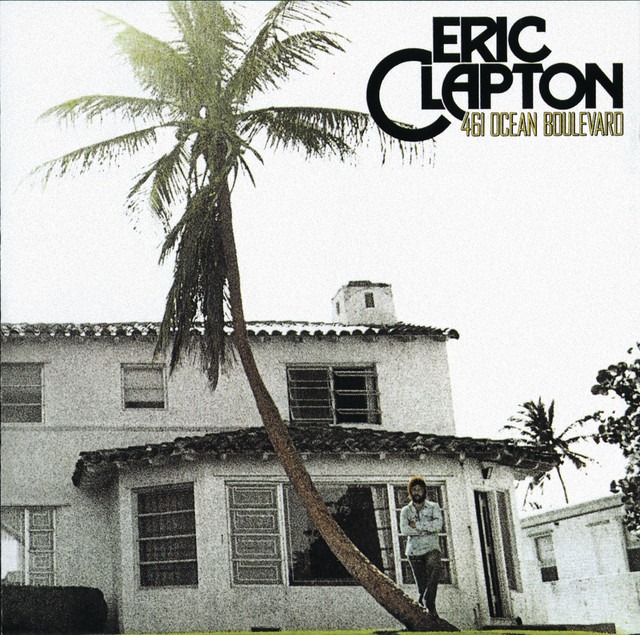
In July 1974, Eric Clapton embraced a vibrant new chapter of his career. He chose the warmth of Florida to craft a sound defined by bright blues-rock and “postjunk funk.” This era marked his triumphant return to the studio, resulting in an international chart-topper that sold millions of copies. By moving into a rental house in Golden Beach, Clapton found the perfect environment to transform simple ideas into a masterpiece that redefined his artistic legacy.
The sessions at Criteria Studios produced a relaxed, sun-drenched atmosphere that remains a high point of 1970s music. Here are five remarkable facts about this legendary recording:
1. The Architectural Inspiration
The album title honors the specific residence on Ocean Boulevard where Clapton stayed during the recording process. This house became a beacon of creativity, leading Clapton and manager Robert Stigwood to suggest the location to the Bee Gees. The brothers followed this advice, moving into the same house to write and record their own classic, Main Course. The residence eventually became so iconic that the local municipality changed the street address.
2. A Convincing Reggae Success
The inclusion of “I Shot the Sheriff” happened because of the persistence of guitarist George Terry. He shared the Bob Marley and the Wailers album Burnin’ with the band and encouraged a new interpretation of the track. While the group added soft rock elements to the reggae rhythm, the song eventually reached number one on the Billboard Hot 100 and earned a place in the Grammy Hall of Fame.
3. The Power of “Blackie” and Vintage Gear
Clapton achieved the album’s signature tone using his famous Fender Stratocaster, nicknamed “Blackie.” For the intricate slide guitar parts, he utilized various Gibson ES-335 models, and he performed the acoustic sections on vintage Martin guitars. This combination of instruments helped create the “smooth bluesy” texture that critics praised upon the album’s release.
4. A Spirit of Musical Collaboration
During the preparation for the album, Clapton intentionally kept his new songs in a skeletal state. He wanted his fellow musicians—including bassist Carl Radle and guest vocalist Yvonne Elliman—to have the freedom to contribute their own signatures to the tracks. This approach ensured a deep chemistry within the group, allowing every member to help shape the final arrangements.
5. Reaching Across the Iron Curtain
The success of 461 Ocean Boulevard spanned the entire globe, reaching the Top 10 in eight different countries. It holds the rare distinction of being a Western pop album that saw legal distribution within the USSR. From Japan to Uruguay and Norway, the record found an audience in nearly every corner of the world, cementing its status as a truly universal hit.