

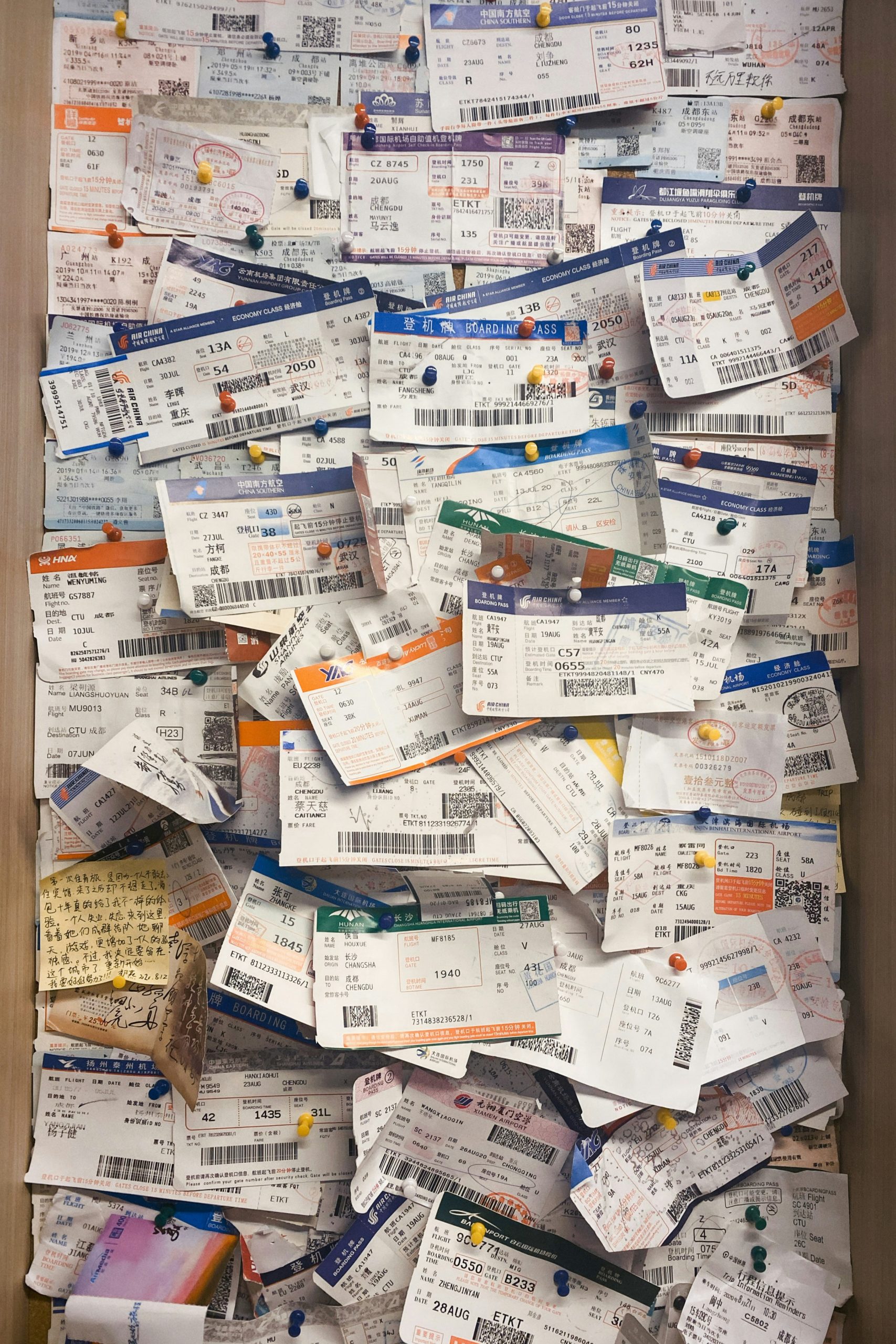

You’ve been there.
You log on the second tickets go on sale. You wait in the queue. You refresh. You do everything right. And then they’re gone. Minutes later, the same seats are back online for five times the price.
That’s the moment people feel it. Not just frustration, but something deeper. Like the system was never really built for them. Like access to a concert or a ballgame has quietly become a privilege rather than a reasonable night out.
Ontario is stepping back into this fight. Premier Doug Ford’s government is proposing amendments to the 2017 Ticket Sales Act that would cap resale ticket prices at their original face value. The proposal would apply to anyone reselling a ticket and any platform facilitating the exchange, including Ticketmaster, StubHub, and SeatGeek. On paper, it sounds like a solution. In reality, it is more complicated than that.
Here is why the move matters. At its core, this is about access. When Blue Jays World Series tickets hit thousands of dollars and Taylor Swift seats go for multiples of their face value, live events stop being something ordinary people can plan around. A cap brings things closer to reality. It gives the average fan a genuine shot. It also respects what artists and teams set out to do in the first place. Ticket prices are set with intention. When resellers capture the upside, that value does not flow back to the people who made the event worth attending. And those scalpers have put absolutely nothing into the investment of the careers they’re profiting from. That’s a problem.
The history here is worth knowing. This is not a new conversation for Ontario. The original Liberal government introduced a 50% resale cap in 2017. Ford’s government scrapped it in 2019, with then-minister Bill Walker calling it “unenforceable” and “just a nice soundbite.” That decision aged poorly. The 2025 Blue Jays World Series exposed exactly what an unregulated market looks like, with resale prices drawing widespread criticism and Ford himself calling it gouging. Ontario is now following Quebec’s proposed legislation and a ban the U.K. introduced last year.
But here is the part politicians do not always say out loud. The market does not sit still. This is a global, digital marketplace. Tickets move across platforms, across borders, and through private networks that no provincial law can easily reach. When caps go into place, activity does not disappear. It shifts. Group chats, social media, and back-channel deals become the new marketplace. Fraud risk goes up. Transparency goes down. Fans end up navigating a space with fewer protections than the regulated platforms they left behind. A cap will push resellers toward unregulated platforms and drive primary ticket prices higher if resale competition disappears entirely.
That last point gets at the real issue. The scalper is not the root of the problem. The root is supply, demand, and the concentration of power in primary ticketing. A small number of companies control how tickets are sold, where they go, and at what price – and the artist has every right to charge what they think the market will bear – this is fine. But until that structure changes, the pressure does not go away. It finds a new outlet. So yes, this proposal matters. It signals that someone is paying attention and that pricing ordinary fans out of live events is not acceptable. Ford’s government also says it will strengthen protections against fake tickets and address unfair service charges, both of which are long overdue, except the latter is how platforms and ticketing agencies make their money to run the complex systems, so that’s a gimme.
But this is not a silver bullet. It is one move in a much larger game. The fans who log on at the right moment, do everything right, and still get shut out deserve better than a partial fix. They deserve a system that was designed with them in mind from the beginning.