


In 1974, Supertramp stood at the edge of a cliff. Their first two records had failed to find an audience, and the original lineup had splintered. But Rick Davies and Roger Hodgson refused to let the dream die. They recruited Bob Siebenberg, John Helliwell, and Dougie Thomson, creating the definitive Supertramp lineup. Their label, A&M, gave them a final chance by sending them to a seventeenth-century farm in Dorset to simply breathe and live the music.
‘Crime of the Century’ is the result of that isolation. It is a sonic masterpiece that brought the sophisticated arrangements of progressive rock into a clear pop context. While it deals with heavy themes of mental stability, loneliness, and the failings of the education system, the music remains incredibly accessible. It became a massive commercial breakthrough, reaching the Top 5 in the UK, Canada, and Germany, and established the band as a force on FM radio across North America. Let’s dive into some amazing facts about the classic record with the songs still heard on the radio.
1. The Cardboard Box Percussion
The hit “Dreamer” was originally composed by a 19-year-old Roger Hodgson at his mother’s house. On his original demo, he used a Wurlitzer piano and banged on cardboard boxes to create the percussion. When the band went to record the professional version for the album, they found the demo so magical that they actually played along to the original tape to capture that same energy.
2. A Million-Dollar Thank You
The album’s dedication “To Sam” is a tribute to Stanley August Miesegaes. He was a Dutch millionaire who acted as the band’s benefactor during their early, struggling years from 1969 to 1972. Without his financial support, the band likely would have folded long before they ever reached the ‘Crime of the Century’ sessions.
3. The Station Master’s Soundtrack
For the sprawling track “Rudy,” the band sought total authenticity for the song’s atmosphere. The train sounds you hear were recorded on location at London Paddington station. To capture the vibe of a bustling city, they also went to Leicester Square to record real crowd noises to weave into the mix.
4. A Family Affair for the Cover Art
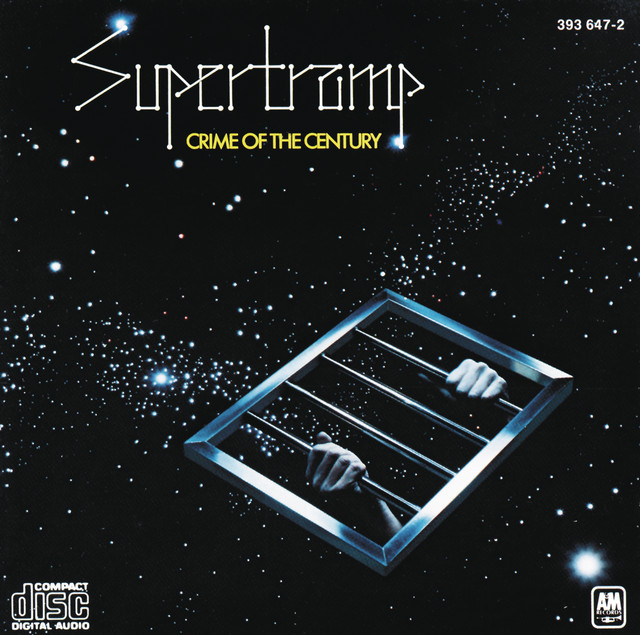
The haunting cover—clutched hands pressed against bars in a starscape—was the first-ever album commission for photographer Paul Wakefield. The hands belonging to the “prisoner” are actually those of Wakefield’s twin brother. To get the look just right, his brother’s hands were whitened with stage make-up while he gripped a set of polished aluminum bars.
5. The 42-Song Cull
Davies and Hodgson were incredibly prolific during this period, entering the studio with approximately 42 demo songs. Despite the wealth of material, they were ruthless with the tracklist, selecting only 8 songs to ensure the album was a perfect, concise statement. Several of the rejected tracks were so strong they ended up as highlights on later albums like ‘Crisis? What Crisis?’ and ‘…Famous Last Words…’.