


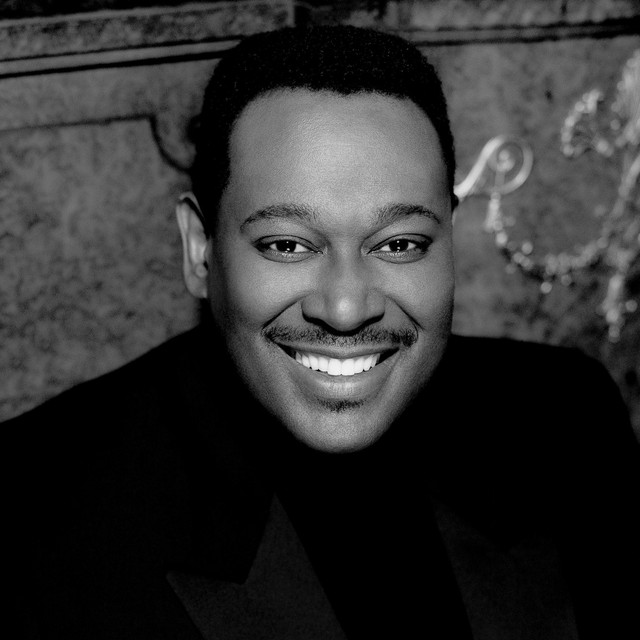
Every year the Rock & Roll Hall of Fame inducts an R&B artist, someone raises an eyebrow and asks whether they really belong. This year it’s Luther Vandross. The question itself reveals a fundamental misunderstanding of what the Hall is, where it came from, and what it was always meant to celebrate. Here’s why the argument against R&B in the Rock Hall is – quite simply – absurd.
The Hall’s own origin story is inseparable from rhythm and blues. Chuck Berry, Little Richard, and Fats Domino were all R&B artists first. Keeping R&B out of the Rock Hall would mean dismantling the foundation the whole institution was built on.
“Rock & Roll” was never just a musical descriptor, it was a cultural one. The Hall exists to honor artists who moved the culture forward, shaped how people listened, and changed what was possible. Luther Vandross did all three, in his own lane, on his own terms.
Luther’s vocal approach shaped generations of artists across pop, gospel, country, and yes, rock. When an artist’s influence bleeds that far and that wide, genre classification becomes beside the point. The Hall is supposed to honor impact, not categories.
The Hall has inducted Marvin Gaye, Stevie Wonder, James Brown, Whitney Houston, and Aretha Franklin. Drawing a line at Luther Vandross would be arbitrary at best and embarrassing at worst. The precedent was set decades ago and it was the right call every time.
Nobody hears “Dance With My Father” or “Here and Now” and thinks those records don’t belong in a conversation about the greatest popular music ever made. The Hall of Fame exists for exactly that conversation. Luther belongs in it.