


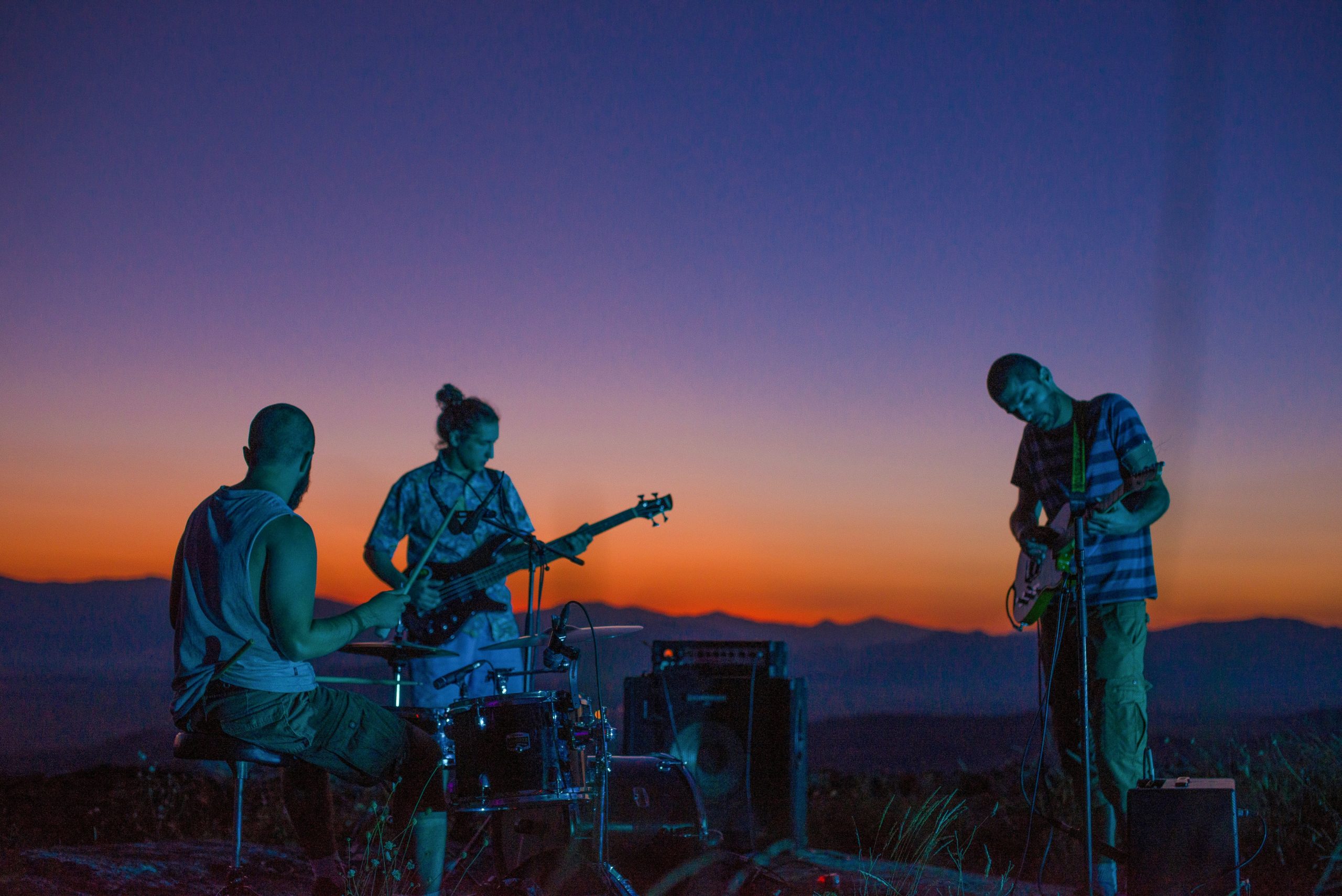
There’s a moment every independent artist reaches where the absence of a label stops feeling like a handicap and starts feeling like the whole point. The music industry spent decades convincing artists that the gatekeepers were necessary, that the machinery of a major label was the only path from bedroom to stage to radio to relevance. That story has been falling apart for years and what’s replacing it is genuinely more interesting.
The streaming era didn’t just change how music gets distributed. It changed who gets to build something lasting. And the artists who are figuring that out right now are doing it by treating momentum as a thing you manufacture deliberately, one small decision at a time, rather than something that happens to you when the right person finally pays attention.
Start with consistency and treat it like a religion. The artists who are breaking through without label support are not the ones with the biggest budgets or the most connections. They’re the ones who show up every single week without fail, who release music on a schedule, who post content with intention, who build a relationship with their audience the way a small business builds a relationship with its best customers. Slowly, carefully, and with genuine attention to what that audience actually wants and needs.
The playlist ecosystem is one of the most powerful tools an independent artist has right now and most artists are still not using it properly. Getting onto the right third party playlists, the ones curated by real human beings for real human listeners who are actively looking for new music in your genre, teaches Spotify’s algorithm that your song belongs in a specific sonic neighbourhood. That lower skip rate, that longer listen time, that pattern of saves and shares, all of it feeds back into the algorithm and the algorithm starts doing work for you that a label’s radio promotions department used to do. It takes time and it takes targeting but it works and the results belong to you permanently.
Live performance still matters enormously and independent artists who treat every single show as a marketing event rather than just a gig are the ones building real foundations. Every room you play is full of people who didn’t know your name an hour ago. Every one of those people has a phone and a social media account and a circle of friends who trust their recommendations. The merchandise table is not just a revenue stream. It’s a walking billboard that your most passionate fans carry into the world for you. The email list you build at the merch table is worth more than any follower count on any platform because you own it and no algorithm change can take it away from you.
The press and media landscape has fragmented in ways that actually benefit independent artists more than the old model ever did. There are thousands of music blogs, podcasts, playlist curators, YouTube channels, TikTok accounts, and online publications covering every conceivable genre with genuine passion and genuine audiences. A well crafted pitch to the right hundred outlets in your genre will land coverage that reaches the exact people most likely to become your fans. This is targeted in a way that a major label’s blanket press campaign often isn’t. The key is research, patience, and a story worth telling. Every artist has one. The ones who learn to articulate it clearly are the ones who get the coverage.
Social media is not a megaphone. That’s the mistake most artists make and it’s the mistake that kills momentum before it has a chance to build. Social media is a conversation and the artists winning on these platforms are the ones treating it that way. They’re sharing process, not just product. They’re showing the rehearsal, the writing session, the soundcheck, the drive to the gig, the moment before the curtain goes up. They’re building parasocial relationships that feel real because in many ways they are real. The audience wants to know who you are before they decide whether to care about what you make.
Collaboration is one of the most underused tools in the independent artist’s kit. Every artist you collaborate with brings their audience into contact with yours. Every feature, every co-write, every joint live stream, every shared playlist is an introduction to people who already trust the taste of someone they follow. This is how communities get built in music and it’s how they’ve always been built, through genuine creative relationships between people who inspire each other.
The data available to independent artists today through Spotify for Artists, Apple Music for Artists, and social media analytics is more detailed and actionable than anything a label’s marketing department was working with fifteen years ago. The artists who are paying attention to where their listeners are, what songs are connecting, what cities are showing early traction, and what playlists are driving streams are making smarter decisions about where to tour, where to pitch, and where to spend their limited marketing budgets. Data is not the enemy of creativity. It’s the map that tells you where the audience already is.
None of this is fast and none of it is easy. But the artists building momentum without a label in 2026 are building something that belongs entirely to them. The rights, the relationships, the audience, the data, the creative direction. All of it. The label system offered resources in exchange for control and for a long time that trade made sense because there was no other way. There is another way now and the artists who are taking it are discovering something that the industry spent fifty years trying to obscure. The music was always the point. Everything else was just infrastructure. And infrastructure, it turns out, you can build yourself.