


Music critics and fans love to draw neat lines around things. A genre starts here, peaks there, dies somewhere around the time it gets a magazine cover. But the truth is messier and more interesting than that. Genres reveal themselves in hindsight, usually through a handful of records that, in the moment, just sounded like something new and strange and not quite like anything else. The six tracks below didn’t set out to define anything. They just did.
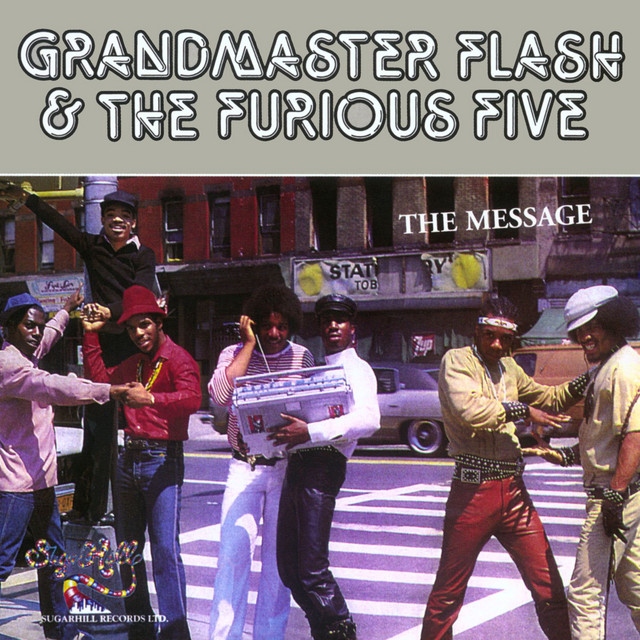
“The Message” — Grandmaster Flash and the Furious Five
Hip hop had been alive for nearly a decade before this record arrived, born in the parks and community centres of the South Bronx. What it did was force the mainstream to pay attention — not with a dance floor anthem, but with something closer to a documentary. Melle Mel’s vocal delivery over that tense, minimalist groove described urban poverty with a specificity and urgency that pop radio had never heard before. Every conscious rap record made since owes something to this one.
“Black Sabbath” — Black Sabbath
Tony Iommi lost the tips of two fingers in a factory accident and had to retune his guitar to make it playable. That accident, as it turns out, gave heavy metal its DNA. The tritone riff that opens this track — the so-called “diabolus in musica,” banned by the medieval church for sounding too evil — arrived in 1970 like a thunderclap, slow and crushing and completely unlike anything rock had produced before. The dark, occult-themed lyrics sealed the deal. A genre was born from an industrial injury and a diminished fifth.
“Search and Destroy” — The Stooges
Punk didn’t name itself until the mid-seventies, but Iggy Pop and the Stooges had already written its rulebook by 1973. This track is pure accelerant — distorted guitars at full volume, barely contained chaos, a vocal performance that sounds like it was recorded mid-collapse. The Ramones, the Sex Pistols, the Clash — they all heard something in this record that told them what they were supposed to do next.
“One More Time” — Daft Punk
French house had been percolating through European clubs for years, but this 2000 track took everything that made the genre work and turned it into something that could fill stadiums. The 4/4 drum pattern, the chopped vocal sample run through a vocoder, the irresistible build and release structure — it’s essentially a masterclass in commercial dance music construction disguised as a party record. EDM as a global phenomenon has a lot of parents, but Daft Punk handed it the blueprint.
“Roots, Rock, Reggae” — Bob Marley and the Wailers
Reggae is a music of precision. The interplay between the bass and the drum’s downbeat, the guitar landing on the offbeat skank — it all has to lock together in a very specific way or the whole thing falls apart. This track does it perfectly, which is partly why it became a kind of ambassador record for the genre beyond Jamaica. Marley wasn’t just making music here; he was explaining what reggae felt like from the inside.
“Smells Like Teen Spirit” — Nirvana
By 1991 the music industry had no idea what was about to hit it. Hair metal was still selling, radio formats were locked in, and then this arrived from Seattle and reset every assumption about what rock could sound like and who it could reach. The quiet-loud-quiet dynamic had existed before, but Nirvana weaponized it. Kurt Cobain’s vocal, the Butch Vig production, Dave Grohl’s drumming — it all added up to something that didn’t just define grunge. It ended one era and started another in under four minutes.