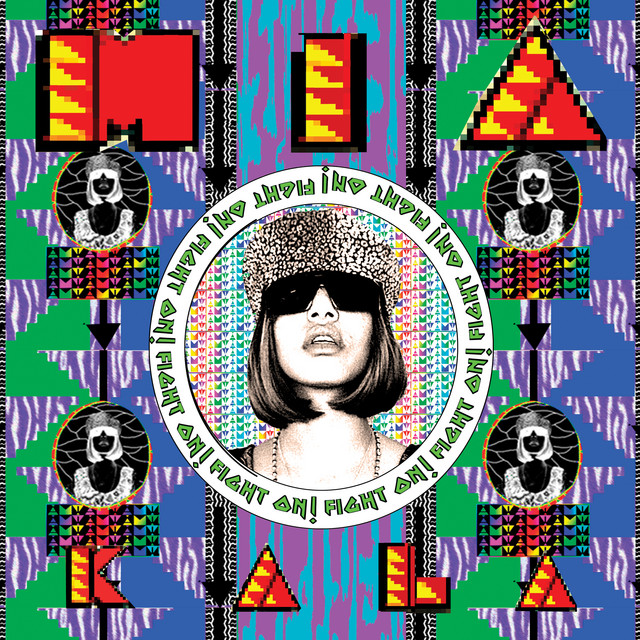
M.I.A.’s 2007 album, Kala, is a landmark release in global pop, famous for blending funk carioca, African folk, and South Asian rhythms into an aggressive, sample-heavy sound. Named after M.I.A.’s mother, the record is a powerful exploration of Third World themes like poverty and immigration, which resonated widely. Kala was the best-performing album on the US Billboard Electronic Albums chart of 2007 and was certified Gold for selling 500,000 copies in the US, cementing its widespread influence.
Here are five little-known facts about the making and background of this influential album:
The Success of “Paper Planes” Paralleled Accusations of Terrorism Support. The immense commercial success of the Grammy-nominated single “Paper Planes” (which peaked at Number 4 on the US Billboard Hot 100) occurred at the same time M.I.A. was condemning war crimes in Sri Lanka. This led to controversy and accusations that she supported terrorism due to her ethnic background.
M.I.A. Was Denied a Long-Term US Work Visa. Initially planning to work extensively with American producer Timbaland, M.I.A. was unable to secure a long-term work visa to enter the US due to alleged family connections with guerrillas in Sri Lanka. This forced her to record the album in numerous countries around the globe, fundamentally shaping the album’s sound.
The Album Was Recorded Using Just a MacBook and Microphone. Because M.I.A. was recording in unconventional locations outside of traditional studios, she and producer Switch relied heavily on the digital audio workstation Logic Pro. They recorded many vocals and background sounds using just a microphone and a MacBook Pro, lending the album its raw, spontaneous feel.
The Track “Hussel” Samples South Indian Fishermen Chanting. The song “Hussel” was musically imagined by M.I.A. as the sound of refugees being smuggled in boats. The track’s intro uses audio recorded from Keralan fishermen chanting as they pull their boats into the water, giving the song an authentic, echo-y sound.
“Jimmy” is a Cover of a Bollywood Film Song. The track “Jimmy” is a tribute to M.I.A.’s mother and is her version of “Jimmy Jimmy Jimmy Aaja” from the 1982 Bollywood film Disco Dancer. She had danced to the original track as a child, and she confessed she “had to be drunk enough to be that disco” to fully realize the track.