Home Blog

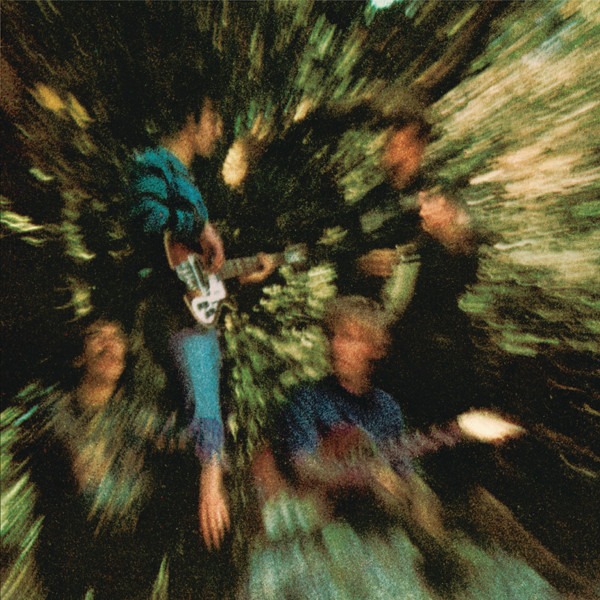
5 Surprising Facts About Creedence Clearwater Revival’s ‘Bayou Country’

0

Creedence Clearwater Revival defined the sound of swamp rock with the 1969 release of their second studio album Bayou Country. Despite being California natives, the band—led by the singular vision of John Fogerty—crafted a gritty, Southern aesthetic that resonated with a factual sense of rural authenticity. The album was the first of a staggering three LPs the group released that year, peaking at number seven on the Billboard 200 and spawning the immortal hit “Proud Mary.” Recorded at RCA Studios in Hollywood, the project balanced raw club energy with meticulous studio overdubbing, all while tensions simmered over John Fogerty’s total creative control. Their transition from their struggling years as the Golliwogs to this chart-topping dominance deserves to be dug in a bit deeper.

The Beethoven Opening Influence

John Fogerty intentionally looked toward classical music for the dramatic opening of his signature hit, “Proud Mary.” He was a fan of Ludwig van Beethoven’s Symphony No. 5 and wanted to open the song with a similarly powerful, descending musical gesture. This led to the creation of the famous repeated C chord to A chord progression that kicks off the track. By blending this classical inspiration with an attempt to emulate the guitar style of Steve Cropper, Fogerty created a factual bridge between orchestral weight and Southern soul.

Blank Wall Meditation

The atmospheric opener “Born on the Bayou” was composed in a very sparse, beige-walled apartment where John Fogerty would sit and stare at the blank slate for hours. Lacking the funds for paintings or distractions, he used the silence and the ringing sound of his overdriven amp to enter what he described as a meditative, other-dimensional state. This intense focus allowed him to conjure hoodoos and swampy imagery despite having never lived in the American South, proving the power of his imagination as a songwriter.

The Carwash Confrontation

Despite their newfound success with “Susie Q,” the band was on the verge of breaking up during the Bayou Country sessions. A major confrontation erupted when the other members demanded more input into the arrangements and songwriting. John Fogerty, however, was terrified of returning to his pre-fame life at the carwash and insisted on assuming total control to ensure the band’s longevity. This autocratic approach was so intense that during a dispute over the melodic quality of the backing vocals for “Proud Mary,” Fogerty recalled that the group “literally coulda broke up right there.”

A Stolen Gibson Masterpiece

For the recording of “Born on the Bayou,” John Fogerty utilized a specific Gibson ES-175 guitar with an overdriven amp and a slow tremolo setting to achieve that “greasy” swamp rock tone. Factually, this iconic instrument was stolen from Fogerty’s car shortly after the track was completed. This loss marked a poignant end to the session, as the stolen guitar had been the primary tool used to capture the soulful, rhythmic feedback that drummer Doug Clifford cited as the beginning of the song’s unique “quarter note” beat.

The Real Proud Mary Ship

While the song has biblical and epical implications for many listeners, the title refers to a real piece of American history. The Proud Mary, more formally known as the Mary Elizabeth, was an actual ship based in Memphis, Tennessee, that traveled along the Mississippi River for fifty years, from 1928 to 1978. Fogerty combined this historical reference with fragments of other songs—including one about a washerwoman named Mary—to tell the story of a working-class narrator finding salvation and rebirth on the water.
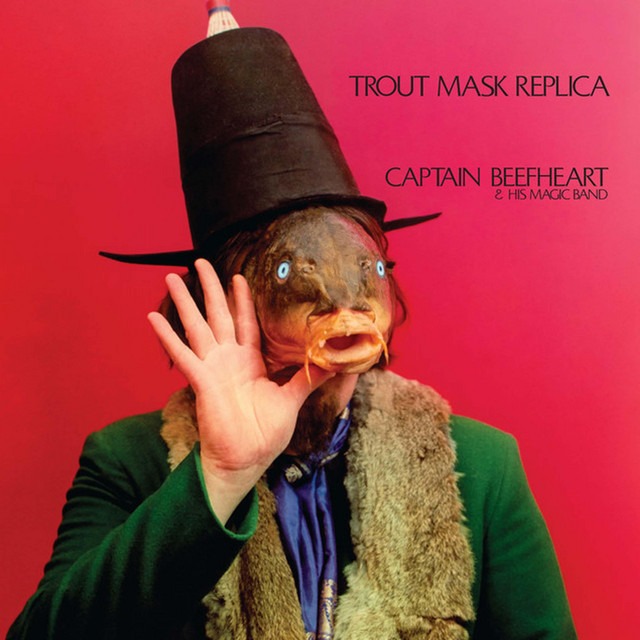
5 Surprising Facts About Captain Beefheart’s ‘Trout Mask Replica’

Captain Beefheart and His Magic Band shattered the boundaries of conventional music with the 1969 release of their avant-garde masterpiece Trout Mask Replica. Produced by Frank Zappa, this double album is a dense, polyrhythmic collision of Delta blues, free jazz, and experimental rock that has earned a reputation as one of the most challenging recordings in history. To achieve this singular sound, the band underwent eight months of grueling, communal rehearsals in a small Los Angeles house, practicing for up to 14 hours a day under Van Vliet’s intense and often cult-like direction. Despite failing to chart in the United States upon release, the album became a foundational influence for the punk and new wave movements, eventually being preserved in the National Recording Registry for its immense cultural significance. Every fractured guitar lick and growled vocal on this project reflects a daring spirit of artistic totalism. Witnessing the transition from their blues-rock beginnings to this complex, “monolithic” sonic architecture remains a defining highlight for any student of the avant-garde.

The Eight-Month Soybean Diet

The creation of the album was a factual exercise in extreme endurance. Living communally in a small house in Woodland Hills, the Magic Band had no steady income and survived largely on welfare and family contributions. Drummer John French recalled a period where the band lived on nothing but a small cup of soybeans a day for an entire month. This dire financial state was so severe that band members were once arrested for shoplifting food, only to be bailed out by Frank Zappa. Visitors described the musicians as looking “cadaverous” and in poor health due to the 14-hour daily practice sessions.

A Single Six-Hour Session

Despite the eight months of intense preparation, the instrumental tracks for the 20-song double album were recorded with incredible speed. Once they finally entered Whitney Studios, the well-rehearsed Magic Band laid down all the instrumental foundations in a single six-hour recording session. Beefheart himself did not participate in this instrumental blitz; instead, he spent the following days overdubbing his vocals and horn parts. This efficiency was only possible because the band had been drilled to play every complex, non-improvisational note exactly the same way every time.

The “Blind” Vocal Overdubs

In a technical move that contributed to the album’s disorienting sound, Captain Beefheart recorded his vocals without wearing headphones. He refused to monitor the instrumental tracks, instead relying only on the faint sound leakage coming through the studio’s glass window. This factual lack of direct synchronization meant his singing was only vaguely in sync with the band, creating a jarring, detached effect. When later questioned about how he managed the timing, Beefheart famously compared the process to a “commando raid” where precision is secondary to the surprise of the attack.

Piano Composition for the Non-Pianist

Van Vliet composed roughly three-quarters of the album using a piano, an instrument he had never played before and for which he had no formal training. By approaching the keys with no preconceived ideas of Western musical theory, he was able to create rhythmic patterns that were entirely unconventional. He would sit at the piano until he found a measure or two that he liked, which John French would then meticulously transcribe into musical notation. French then faced the monumental task of “splicing” these fragments together into full songs and teaching the parts to the rest of the band.

The “Manson-esque” House Rules

The environment during the rehearsal period was described by participants and visitors as “positively Manson-esque” and “cultlike.” Van Vliet asserted complete emotional and physical domination over the band, often putting members “in the barrel” for verbal berating sessions that could last for days. These psychological tactics were designed to break the musicians’ individual wills so they would become perfect vessels for his musical vision. Factual accounts from the band members detail an atmosphere of paranoia and nonexistent conspiracies that kept them isolated from the outside world during the entire development of the record.

5 Surprising Facts About Simon & Garfunkel’s ‘Bookends’

Simon & Garfunkel reached a creative and conceptual zenith with the 1968 release of their fourth studio album Bookends. This ambitious project functions as a poignant meditation on the human life cycle, tracing a journey from the innocence of childhood to the quiet resignation of old age. Produced by the duo alongside the masterful Roy Halee, the album famously features the chart-topping anthem “Mrs. Robinson” and showcased a newfound perfectionism in the studio that rivaled the mid-period work of The Beatles. Bookends became a definitive cultural landmark of the 1960s, reaching number one in both the United States and the United Kingdom. Every track on this project reflects a daring spirit of vulnerability and a factual commitment to capturing the stark, black-and-white sounds of alienation and mortality. Witnessing the transition from their acoustic folk beginnings to this sophisticated, synthesizer-enhanced song cycle remains a defining highlight for any student of American rock history.

The Moog Synthesizer Bassline

In a factual departure from their strictly acoustic roots, the duo utilized cutting-edge technology for the track “Save the Life of My Child.” Producer John Simon recruited Robert Moog, the inventor of the Moog synthesizer, to personally assist in creating the song’s distorted and churning bassline. This session marked one of the earliest high-profile uses of the instrument in folk-rock, providing a jarring electronic texture that perfectly complemented the song’s dramatic narrative of suburban crisis.

The $25,000 Soundtrack Gamble

Director Mike Nichols was so obsessed with Simon & Garfunkel’s music that he listened to their albums nonstop during the filming of The Graduate. Despite Paul Simon’s initial fear that writing for film was a form of selling out, he agreed to a deal worth $25,000 to submit three songs. Nichols famously rejected “Punky’s Dilemma” and “Overs,” but he fell in love with a work-in-progress titled “Mrs. Roosevelt.” At Garfunkel’s suggestion, the name was changed to “Mrs. Robinson” to match the film’s protagonist, despite the song having no finished verses at the time of the pitch.

The 50-Hour Vocal Obsession

The brevity of Bookends belies the massive amount of studio time spent on its production. For the track “Punky’s Dilemma” alone, the team spent over 50 hours in the studio, with the duo often re-recording vocal parts note by note to achieve total harmonic perfection. Paul Simon’s meticulous nature led him to take a dominant role in the arrangements, moving away from the group’s traditional dual harmonies in favor of solo vocal performances that highlighted the album’s themes of individual alienation.

Real Voices of the Elderly

To add a layer of stark realism to the album’s concept of aging, Art Garfunkel spent weeks visiting retirement homes in New York and California with a tape recorder. He captured hours of interviews with the elderly at the United Home for Aged Hebrews, which were edited into the sound collage “Voices of Old People.” These factual, unscripted musings on illness, old photographs, and lost friends provide a haunting and authentic segue into the orchestral turbulence of “Old Friends.”

The Avedon Reflection Mystery

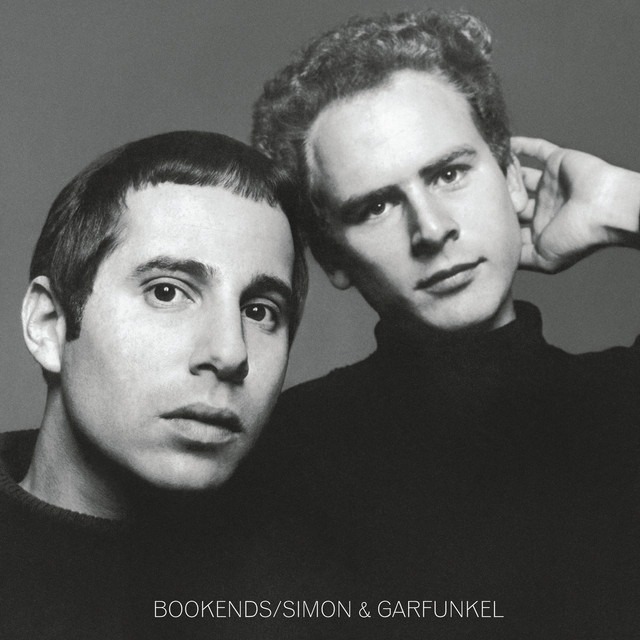
The striking black-and-white cover portrait was shot by Richard Avedon, one of the most prestigious photographers of the 20th century. The image was designed to contrast with the psychedelic, colorful covers of the era, reflecting the album’s moody and serious subject matter. A factual Easter egg for eagle-eyed fans is that Avedon’s own reflection can be seen in Paul Simon’s irises when the original artwork is viewed under close magnification. This high-art aesthetic helped justify Clive Davis’s controversial decision to raise the album’s retail price by one dollar.

5 Surprising Facts About Jeff Beck’s ‘Truth’

Jeff Beck forged the blueprint for heavy metal and hard rock with the 1968 release of his solo debut masterpiece Truth. After departing the Yardbirds, Beck assembled the formidable Jeff Beck Group, introducing the world to the gravelly roar of Rod Stewart and the versatile fretwork of Ronnie Wood. Recorded in just four days at the peak of the British blues explosion, the album blended eclectic covers of Willie Dixon and Jerome Kern with fierce, distorted reworkings of B.B. King standards. Truth reached number 15 on the Billboard Top LPs chart and remains a factual cornerstone of the guitar-hero era, praised for its primal energy and harmonically ambitious arrangements. Every track on this project reflects a daring spirit of sonic experimentation and a commitment to the raw power of the blues. Witnessing the transition from his pop-oriented singles to this heavy, blues-based revolution is a defining highlight for any fan of rock history.

The Secret Led Zeppelin Prototype

The legendary instrumental “Beck’s Bolero” was a factual dress rehearsal for what would eventually become Led Zeppelin. Recorded in May 1966, the session brought together a superstar lineup of Jimmy Page on rhythm guitar, John Paul Jones on bass, Keith Moon on drums, and Nicky Hopkins on piano. The chemistry between these musicians was so potent that the group discussed forming a permanent band, leading to the famous quip that the idea would go down like a lead zeppelin. Page eventually took the name and the heavy, rhythmic philosophy into his own iconic group two years later.

Keith Moon’s Russian Disguise

To participate in the 1966 recording sessions without alerting his bandmates in the Who, drummer Keith Moon arrived at IBC Studios in a full disguise. He donned large sunglasses and a Russian Cossack hat to remain incognito, hoping to avoid a confrontation with Pete Townshend. Despite the secrecy, the session was pure chaos; halfway through the track, Moon famously smashed the drum microphone with his stick in a fit of excitement. His muffled scream and the crashing cymbals that followed remain a factual, permanent part of the classic recording.

The Fake Live Atmosphere

For the track “Blues Deluxe,” Beck and his team attempted to capture a raw, club-like energy by overdubbing audience reactions from a sound effects record. The intention was to create a live atmosphere that complemented the gritty, improvisational feel of the song. However, Beck later looked back on this technical choice with a factual sense of regret, feeling that the canned applause was unnecessary for such a powerful performance. This experiment highlights the era’s innovative, if sometimes imperfect, approach to studio trickery.

The High-Stakes Cover Girl

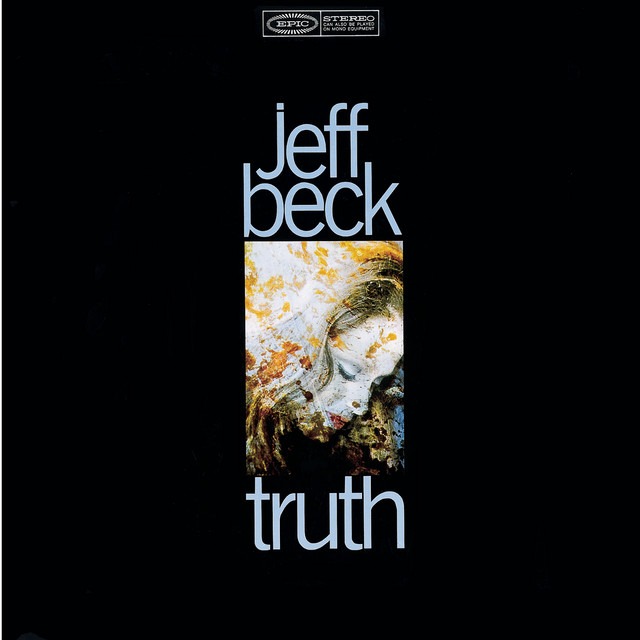
The striking cover art for Truth features a double-exposure photograph of the model Celia Hammond, who was dating Beck at the time of the release. Captured by photographer Stephen Goldblatt, the image broke away from the standard band portraits of the late 1960s, leaning into a more artistic and psychedelic aesthetic. This choice mirrored the eclectic nature of the music inside, which jumped from the acoustic serenity of “Greensleeves” to the heavy, distorted blues of “I Ain’t Superstitious.”

The Multi-Producer Dispute

The production credits for “Beck’s Bolero” were a subject of intense disagreement for years among the industry’s heaviest hitters. While pop impresario Mickie Most received the official mandated production credit on the record sleeve, both Simon Napier-Bell and Jimmy Page claimed they were the ones actually behind the glass. Page specifically asserts that he acted as the producer while Napier-Bell disappeared from the studio, leaving Page and Beck to handle the sound treatments and overdubs themselves. This factual conflict underscores the competitive and often overlapping roles in the 1960s London studio scene.

5 Surprising Facts About Cream’s ‘Disraeli Gears’

Cream ignited the psychedelic revolution with the 1967 release of their second studio album Disraeli Gears, a masterpiece that saw the trio pivot from their blues roots toward a warm fluorescent sound. Recorded in a whirlwind three-and-a-half days at Atlantic Studios in New York, the album was a high-stakes race against time as the band’s visas were set to expire on the final day of tracking. Under the guidance of producer Felix Pappalardi and legendary engineer Tom Dowd, the group utilized innovative tools like the wah-wah pedal and woman tone to craft defining hits like “Sunshine of Your Love” and “Strange Brew.” The record was a massive global success, reaching the top five in both the UK and US and proving that experimental psychedelic hogwash could dominate the charts. Every track on this project reflects a daring spirit of instrumental prowess and a factual commitment to sonic evolution. Witnessing the transition from their raw debut to this colorful, kaleidoscopic landmark remains a defining highlight for any fan of rock history.

The Visa-Expirations Sprin

The recording of Disraeli Gears was a factual race against the clock. The bulk of the album was tracked at Atlantic Studios in New York City between May 11 and 15, 1967. Because the band’s visas were set to expire on the very last day of the sessions, they had only three and a half days to complete the record. This immense pressure led to a highly efficient workflow where most backing tracks were captured in only one or two takes, concluding just hours before the trio had to rush to the airport to fly back to the UK.

The Indian Beat Breakthrough

During the sessions, the band initially struggled to find the right pocket for their signature riff-heavy track, “Sunshine of Your Love.” It wasn’t until engineer Tom Dowd suggested a rhythmic shift that the song truly came together. He advised Ginger Baker to play an Indian beat—similar to patterns found in American Western films—where the emphasis is on the downbeats (one and three) rather than the standard rock backbeat (two and four). This unconventional drumming style, played primarily on the tom-toms, instantly unified the track and created its hypnotic, driving atmosphere.

Otis Redding Saved the Hogwash

When label owner Ahmet Ertegun first heard the demos for “Sunshine of Your Love” and “Tales of Brave Ulysses,” he was deeply unhappy, famously dismissing the new direction as psychedelic hogwash. He expected the band to stick to the traditional blues of their debut. However, Ertegun eventually relented after soul legends Booker T. Jones and Otis Redding visited the studio and expressed their absolute adoration for the “Sunshine” riff. Their endorsement served as a factual turning point, convincing the label to support the band’s experimental vision.

The Disraeli Gears Malapropism

The album’s title was born from a humorous misunderstanding between Ginger Baker and a roadie named Mick Turner. While driving in an Austin Westminster, Eric Clapton was discussing his interest in getting a racing bicycle with derailleur gears. Turner, mishearing the technical term, chimed in with Disraeli gears, inadvertently referencing the 19th-century British Prime Minister. The band found the malapropism so hilarious that they immediately decided it had to be the name of their next record.

A Fluorescent Fool Masterpiece

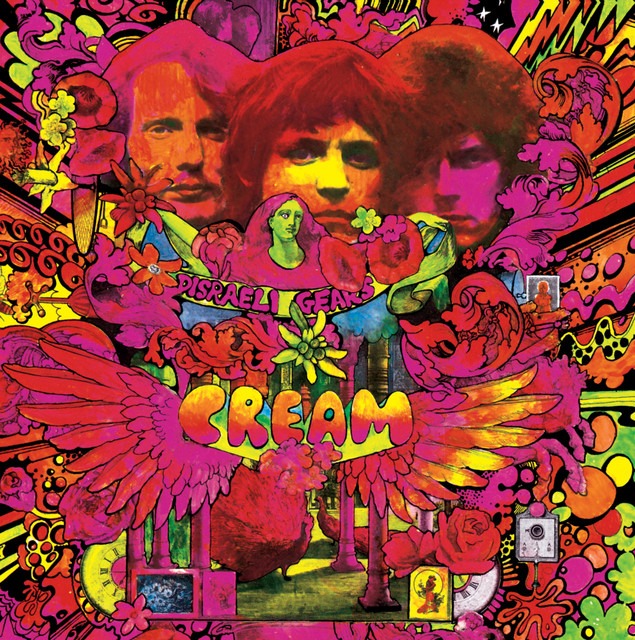
The vibrant cover art was created by Australian artist Martin Sharp, who lived in the same building as Clapton in Chelsea. Sharp used fluorescent inks and a collage of publicity shots to capture what he called the warm electric sound of the music. To match this visual intensity, Clapton utilized his famous 1964 Gibson SG, known as The Fool, to achieve his signature woman tone. For the solo on “Sunshine of Your Love,” Clapton even quoted the melody of the pop standard “Blue Moon,” creating a factual contrast between the heavy blues riff and a classic major scale.

5 Surprising Facts About Aretha Franklin’s ‘I Never Loved a Man the Way I Love You’

Aretha Franklin ascended to her throne as the Queen of Soul with the 1967 release of her landmark Atlantic Records debut, ‘I Never Loved a Man the Way I Love You’. After years of being stifled by polite jazz standards at her previous label, Franklin unleashed a raw, earth-shaking power that redefined modern music and the civil rights era. Recorded between the legendary FAME Studios in Alabama and Atlantic Studios in New York, the album seamlessly fused gospel-drenched vocals with gritty Southern soul. The record was a massive commercial breakthrough, reaching number two on the Billboard 200 and spawning the global anthem “Respect,” which topped the Hot 100. Regarded today as one of the greatest albums of all time, this project is a factual testament to the moment an artist truly finds their voice. Witnessing the transition from her controlled early years to this explosion of soul remains a defining highlight for any music lover.

The “Waltz” That Became a Hit

When Aretha first sat at the piano in Muscle Shoals to play the title track, FAME owner Rick Hall was initially unimpressed. He found the song’s rhythm strange, thinking it sounded like an old waltz that people wouldn’t be able to dance to. It wasn’t until session musician Spooner Oldham began fiddling with a specific five-note riff on a Wurlitzer electric piano that the song’s legendary groove fell into place. That accidental lick saved the session and transformed a strange melody into Aretha’s first top 10 pop hit.

The Vodka and Fistfight Fiasco

The recording sessions in Alabama were famously cut short by a series of explosive altercations. Aretha’s then-husband and manager, Ted White, became increasingly agitated after a bottle of vodka was passed around the studio. After demanding the firing of multiple horn players for supposedly making passes at Aretha, White eventually came to blows with producer Rick Hall at a hotel. The fallout was so severe that Jerry Wexler immediately canceled the remaining sessions and fled the state, vowing to fight with Hall.

The Slightly Out-of-Tune B-Side

Due to the sudden departure from Alabama, the iconic B-side “Do Right Woman, Do Right Man” was left unfinished. The foundation was recorded at FAME, but the final touches were added later at Atlantic Studios in New York. Because of a technical discrepancy in the tape-recording speeds between the two different studios, the tracks are slightly out of tune with each other. Producer Chips Moman later noted with regret that the final piano track ended up being faintly sharp, though the emotional power of the song ultimately masked the imperfection.

Aretha’s “Third Hand” at the Piano

While many vocalists of the era simply stood behind a microphone, Aretha’s breakthrough was fueled by the fact that she played the piano while she sang. Her sophisticated, gospel-inflected piano style provided the essential “feel” that the session musicians needed to follow. Bassist David Hood noted that the band fell in line with her playing, proving that her talent as a musician was just as vital to the album’s success as her once-in-a-generation vocal range.

The Birth of “The Swampers” Rivalry

The “war” between Rick Hall and Jerry Wexler ironically led to the creation of one of the most famous recording studios in history. After their fight, Wexler convinced Hall’s key rhythm section—Jimmy Johnson, David Hood, and Roger Hawkins—to leave FAME and start their own rival facility, the Muscle Shoals Sound Studio. This group, nicknamed “The Swampers,” went on to record superstars like Bob Dylan, The Rolling Stones, and Paul Simon, all because of the creative wave sparked by Aretha’s tumultuous 1967 sessions.

5 Surprising Facts About Dave Brubeck Quartet’s ‘Time Out’

The Dave Brubeck Quartet shattered the conventional boundaries of jazz with the 1959 release of their landmark studio album ‘Time Out’. Inspired by rhythms Brubeck encountered during a State Department-sponsored tour of Eurasia, the record boldly experimented with unconventional time signatures like 9/8 and 5/4 that were previously unheard of in mainstream Western music. Despite initial skepticism from record executives, the album became a historic commercial triumph, becoming the first jazz LP to sell over one million copies. Its signature track, “Take Five,” redefined the cool jazz sound and proved that complex, intellectual arrangements could still capture the public’s imagination. This body of work is a factual testament to the power of cross-cultural inspiration and rhythmic innovation. Witnessing the transition from standard swing to these lopsided, hypnotic grooves remains a definitive highlight for any lover of American music history.

The Turkish Folk Inspiration

The album’s opening track, “Blue Rondo à la Turk,” was born from a direct observation Brubeck made while traveling through Turkey. He encountered a group of street musicians performing a traditional folk song in a rare 9/8 time signature, subdivided into an unusual 2+2+2+3 pattern. Brubeck was so captivated by the “short and long” zeybek rhythm that he adapted it for the quartet, creating a complex rhythmic structure that challenged the standard 4/4 swing of the era while playfully nodding to Mozart in the title.

A “Throwaway” Million-Seller

Despite its status as the biggest-selling jazz single of all time, “Take Five” was originally considered a “throwaway” track by its composer, saxophonist Paul Desmond. The piece was never intended to be a radio hit; rather, it was specifically written as a vehicle for a Joe Morello drum solo. Desmond nearly left out the melodic bridge that eventually became the song’s most recognizable hook, and he later expressed surprise that a song in such an odd meter could achieve such massive mainstream popularity.

Arduous Recording Struggles

Capturing the perfect “sexy” groove for “Take Five” was a factual battle in the studio. During the first recording session on June 25, 1959, the band struggled for over 40 minutes and failed more than 20 times because the members kept losing the unfamiliar 5/4 beat. Producer Teo Macero eventually suspended the session out of frustration. It wasn’t until a week later that the group finally settled into the “sitting in the groove” feel that was successfully captured in just two takes.

The “Gone with the Wind” Bargain

Columbia Records president Goddard Lieberson was initially very hesitant to underwrite an album as experimental as ‘Time Out’. He only agreed to release the project on the condition that the Brubeck Quartet first record a much more conventional album of traditional Southern songs titled ‘Gone with the Wind’. This professional bargain allowed Brubeck to pursue his creative vision, ultimately resulting in the first jazz album to reach number two on the Billboard charts.

Misspellings And Beatle Connections

The track “Kathy’s Waltz” was a factual tribute to Brubeck’s daughter, though her name was accidentally misspelled as “Kathy” instead of “Cathy” on the original release. Beyond the family connection, music critics have speculated that the song’s unique rhythmic ending later inspired Paul McCartney when writing the Beatles classic “All My Loving.” Both songs share remarkably similar rhythmic phrasing at the end of their melodies, highlighting the subtle influence Brubeck’s experiments had on the future of pop and rock.

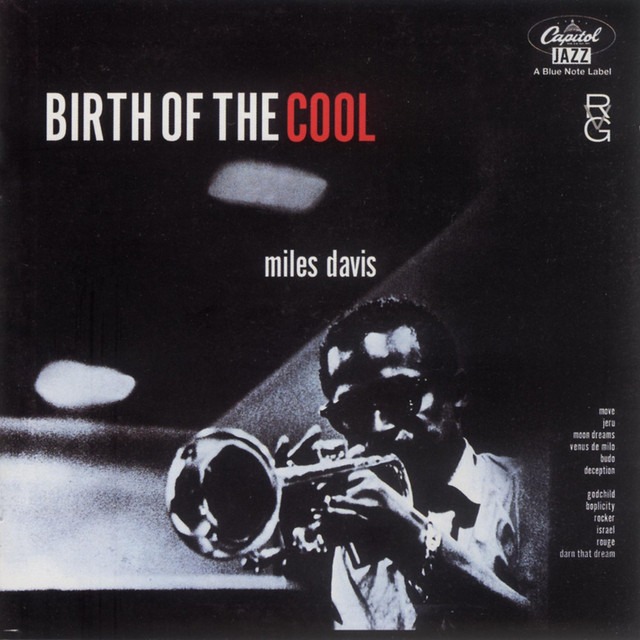
5 Surprising Facts About Miles Davis’ ‘Birth of the Cool’

Miles Davis orchestrated a pivotal shift in the history of modern music with the recordings compiled in the 1957 masterpiece ‘Birth of the Cool’. Seeking an alternative to the high-speed intensity of bebop, Davis assembled a groundbreaking nonet to explore a more lyrical, relaxed, and “cool” sonic palette. Influenced by European classical techniques and the impressionist textures of the Claude Thornhill orchestra, the group utilized unusual instrumentation—including the tuba and French horn—to blend voices like a choir. These sessions, recorded across three dates between 1949 and 1950, effectively birthed the cool jazz movement and established a new standard for musical arrangement. Every three-minute track on this project reflects a factual commitment to innovative harmony and instrumental balance. Witnessing the transition from Davis’s early days with Charlie Parker to this sophisticated, low-vibrato sound is a definitive highlight for any student of jazz history.

The Smallest Large Orchestra

Miles Davis intentionally designed his nonet to be the smallest possible group of instruments that could still capture the rich, impressionistic harmonies of the 18-piece Claude Thornhill Orchestra. He found the larger big band format too cumbersome for his creative vision and chose to split the group in half to achieve a more intimate sound. This technical choice allowed the ensemble to use “paired instrumentation,” where trumpet and alto saxophone would sing the melody together while the tuba and baritone saxophone provided a revolutionary counterpoint.

The 55th Street Basement Brainstorm

The conceptual framework for the album was developed during late-night gatherings at arranger Gil Evans’s small basement apartment on 55th Street in Manhattan. Evans kept an “open door policy,” hosting forward-looking musicians who wanted to move away from the “thrusting and parrying” style of traditional big bands. These sessions served as a factual laboratory where the participants discussed the future of jazz, adopting tools from European impressionist composers to create a more fluid and choral-like instrumental texture.

A Piano-Less Final Session

During the third and final recording date on March 9, 1950, the nonet took the experimental step of performing without a piano for most of the session. This omission allowed the unique textures of the French horn and tuba to stand out more prominently against Davis’s midrange trumpet work. Despite a year-long gap since their previous studio date and having zero rehearsals or live performances in between, the band captured legendary tracks like “Moon Dreams” and “Deception” with a remarkable sense of cohesion.

Cleo Henry’s Secret Identity

The track “Boplicity,” widely considered one of the most significant pieces of the era, was a collaboration between Miles Davis and Gil Evans. However, the song was originally credited to the pseudonym “Cleo Henry.” This was a factual nod to Davis’s mother, as he used her name to secure the composer credits while working outside of his usual contractual obligations. The song remains a benchmark for the album’s sound, featuring the non-vibrato playing style that would become a hallmark of cool jazz.

The “Not Really Jazz” Controversy

Upon its initial release, the nonet’s sound was so revolutionary that some contemporary critics struggled to classify it. Winthrop Sargeant of The New Yorker famously compared the music to the work of Maurice Ravel and stated that it was “not really jazz” due to its fastidious tone color and aural poetry. Even the short-term public reaction was relatively quiet, but the long-term impact proved to be massive, as the album eventually earned a perfect 10/10 from Pitchfork and was credited with launching an entire subgenre.

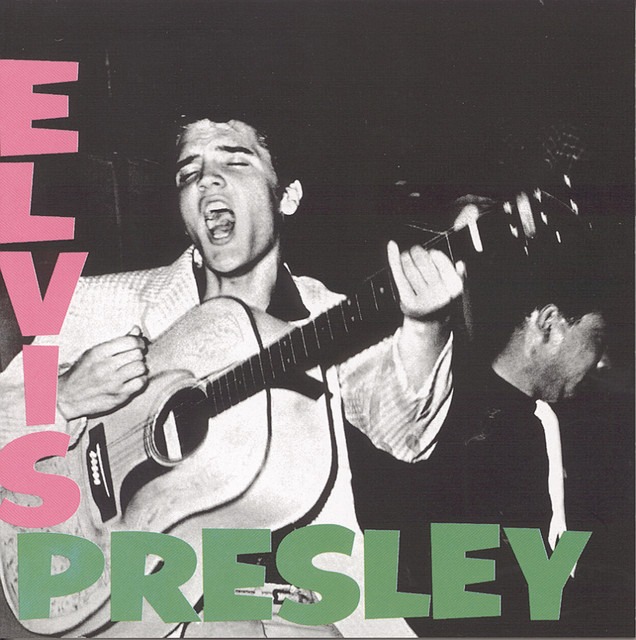
5 Surprising Facts About Elvis Presley’s Debut Album

Elvis Presley ignited a global cultural revolution with the 1956 release of his self-titled debut studio album, the record that effectively launched rock and roll into the mainstream. Following RCA Victor’s then-unprecedented $40,000 purchase of his contract from Sun Records, the album became a historic milestone as the first rock and roll LP to top the Billboard charts and the first to sell over a million copies. Combining fresh sessions from Nashville and New York with raw, unreleased tapes from Memphis, the album blended country roots with high-energy rhythm and blues. Its iconic cover, featuring a mid-performance shot of a young, electric Elvis, became a definitive symbol of the era’s youth rebellion. This body of work provides a factual demonstration of how a singular artist could bridge the gap between regional genres and global stardom. Witnessing the transition from his rockabilly beginnings to this multi-platinum phenomenon remains the ultimate highlight for any fan of music history.

The $40,000 Gamble

In late 1955, RCA Victor took a massive financial risk by purchasing Elvis’s contract from Sam Phillips at Sun Records for $40,000—a record-breaking sum at the time for an “untested” property. While major labels were skeptical of the staying power of rock and roll, the investment paid off almost immediately. The debut album became the first RCA pop release to earn over $1,000,000, proving the immense selling power of the genre and solidifying Elvis as a household name.

A Hybrid Tracklist Of Sun And RCA

Because Elvis was constantly on the road following his national television appearances, RCA lacked enough new material to fill a full-length LP. To rush the album to stores, they utilized the rights to his previous Sun Studio tapes, adding five unreleased country-styled songs to seven newer tracks recorded in Nashville and New York. This hybrid approach created a unique sonic blend that leavened his “hillbilly cat” roots with frenetic covers of R&B hits by artists like Little Richard and Ray Charles.

The Carl Perkins Promise

The album’s explosive opening track, “Blue Suede Shoes,” was intentionally withheld from being released as a single for eight months. Producer Steve Sholes made a factual promise to Sam Phillips to protect the career of Carl Perkins, who had written and first recorded the song at Sun. By diverting the track to the album rather than a competing single, RCA allowed Perkins’s version to have its run on the charts, demonstrating a rare moment of industry professional courtesy during the competitive dawn of rock and roll.

The Mystery Of The “Red” Photograph

For decades, it was incorrectly believed that the famous front cover photo was taken by New York photographer Popsie Randolph. It wasn’t until 2002 that it was documented that the actual photographer was William V. “Red” Robertson, who snapped the shot during a performance in Tampa, Florida, in 1955. The Popsie credit on the album was actually for the series of photos on the back cover, leading to a long-standing case of mistaken identity for one of the most recognizable images in pop culture.

A Design That Inspired The Clash

The graphic design of the Elvis Presley cover—featuring green and pink lettering set against a stark black-and-white performance shot—is ranked as one of the greatest album covers of all time. Its visual impact was so profound that it was famously parodied and honored by The Clash for their 1979 masterpiece London Calling. This homage has been echoed by numerous other artists, from Big Audio Dynamite to k.d. lang, cementing the artwork’s legacy as a factual blueprint for rock and roll aesthetics.

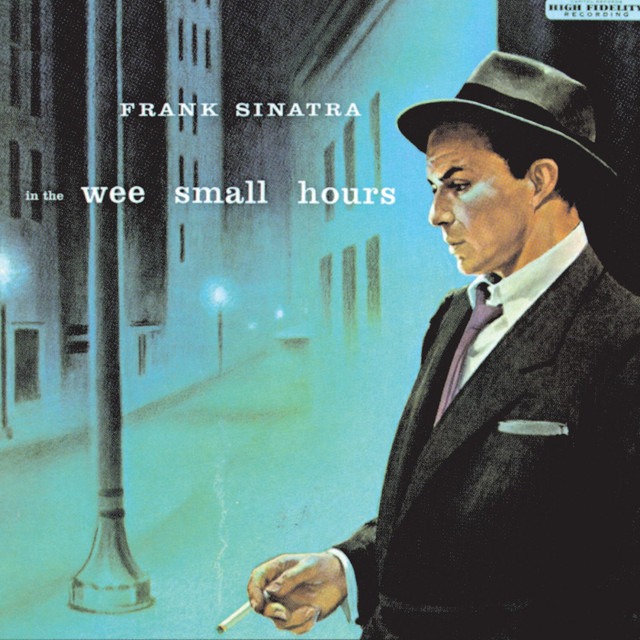
5 Surprising Facts About Frank Sinatra’s ‘In the Wee Small Hours’

Frank Sinatra delivered a somber and revolutionary masterpiece with the 1955 release of ‘In the Wee Small Hours’, an album that effectively birthed the modern concept record. Following a period of deep professional decline and the painful collapse of his marriage to Ava Gardner, Sinatra channeled his desolation into a cohesive suite of “love gone bad” songs. Produced by Voyle Gilmore with lush, blue-tinged arrangements by Nelson Riddle, the record abandoned the era’s upbeat pop trends for a serious exploration of loneliness, depression, and the haunting stillness of the night. It was a massive commercial success that cemented Sinatra’s career resurgence, peaking at number two on the Billboard charts and staying there for 18 weeks. Every weary note on this project reflects a factual commitment to emotional honesty and artistic experimentation. Witnessing the transition from his “bobby soxer” youth to this deeper, mature, and canyonesque vocal shading is a defining highlight for any student of American music.

The “Ava Songs” Catalyst

The profound melancholy found throughout the album was a direct result of Sinatra’s tumultuous and failing relationship with his second wife, actress Ava Gardner. Nelson Riddle famously credited Sinatra’s loss of Gardner with providing the emotional depth necessary to sing such “angst-ridden” material, lead to the tracks being known internally as the “Ava Songs.” The heartbreak was so visceral that Sinatra reportedly broke down and cried in the studio after recording the master take of “When Your Lover Has Gone,” a moment of raw vulnerability that remains a factual cornerstone of the album’s legacy.

The Birth of the 12-Inch Pop LP

While most pop acts in 1955 were releasing collections of previously heard singles, Sinatra insisted on creating a firm distinction between “radio hits” and the serious art of a long-playing record. ‘In the Wee Small Hours’ was one of the very first pop albums to be issued on the 12-inch LP format, which allowed for a longer, more immersive experience. The massive success of the record helped popularize the 12-inch disc in the pop field, causing the older 10-inch format to fall into obsolescence and changing how the public consumed music forever.

Midnight Sessions in Studio C

To capture the authentic “wee small hours” atmosphere, the recording sessions at KHJ Studios in Hollywood were scheduled to start at 8:00 P.M. and often continued well past midnight. Sinatra and his ensemble worked in Studio C, a smaller downstairs space specifically chosen to create an intimate, “warm” monophonic sound for the small jazz ensembles. This late-night environment allowed Sinatra to slip into a “trance state” of performance, often chatting with the night janitor about how they both shared “crazy working hours.”

Meticulous Vocal Perfectionism

Despite the emotional turmoil he was facing, Sinatra remained meticulously focused on the technical quality of the sessions. During one late-night recording, he famously stopped the orchestra after singing only a few notes because he felt his voice simply did not have “the right sound” for the mood. He chose to reschedule the entire session for the following night rather than deliver an insincere performance. Guitarist George Van Eps recalled that when Sinatra returned the next evening, the performance was “perfect,” demonstrating his factual dedication to his craft.

Redefining Masculinity through Music

Prior to this release, the “tough guy” image of the era rarely allowed for public displays of male sensitivity or heartbreak. By releasing an album centered on introspection and “capitulation, not retaliation,” Sinatra successfully shifted the cultural perception of masculinity, making it acceptable for men to express a wider range of emotional responses. This “heartbroken/hedonistic duality” became a hallmark of his persona, proving that raw, human vulnerability could be as powerful and resonant as any rakish, “swinging” hit.