


There’s something electrifying about an artist going it alone—no safety net, no bandmates, just raw talent and a studio full of instruments. These 15 albums are full-on declarations of creative independence, where one person does it all: vocals, drums, bass, guitar, keys, you name it. From home studios to major-label deals, from emotional breakdowns to breakthrough hits, these records prove that sometimes the best collaborators… are just different versions of yourself.
Emitt Rhodes – Emitt Rhodes (1970)
Often called the “one-man Beatles,” Rhodes recorded this entire album in his garage with a four-track and unshakable pop instincts. The melodies are McCartney-esque, the hooks are undeniable, and the craftsmanship is jaw-dropping. He played it all—and played it beautifully. A cult favorite, now seen as a DIY power-pop cornerstone.
Foo Fighters – Foo Fighters (1995)
When Nirvana ended, Dave Grohl didn’t pick up the pieces—he built something entirely new. Recording in secret, he wrote, sang, and played almost everything on this debut, never intending it to be more than a demo. But songs like “Big Me” and “This Is a Call” had other plans, launching a career that would redefine modern rock.
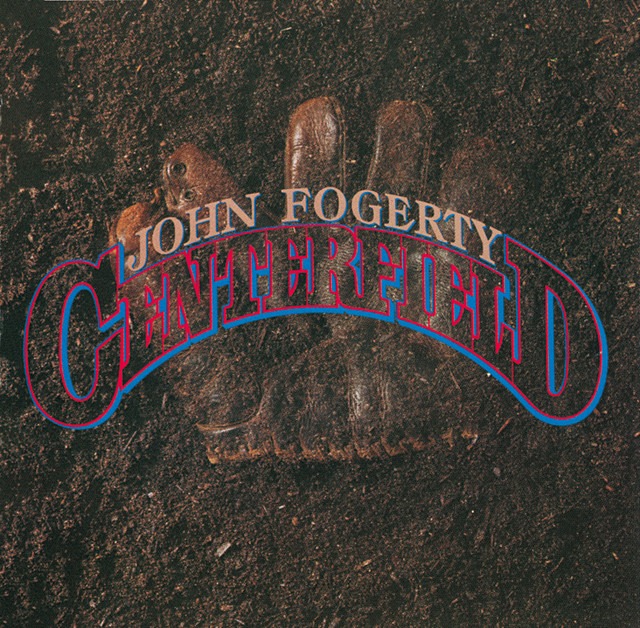
John Fogerty – Centerfield (1985)
Nearly a decade after legal wrangling left him musically sidelined, Fogerty came roaring back with this swampy, sun-drenched solo smash. Playing every instrument himself, he brought his signature twang into the ’80s with baseball anthems and bluesy burners. “The Old Man Down the Road” is pure Creedence spirit, while the title track became the stadium staple it was born to be.
Lenny Kravitz – Let Love Rule (1989)
Lenny’s debut album is a warm, analog love letter to the ‘60s and ‘70s, complete with psychedelic guitars, gospel-inspired vocals, and DIY vibes. He played nearly every instrument himself, fusing funk, rock, and soul into a raw, retro-modern blend. “Let Love Rule” is less a slogan and more a mission statement—delivered groove by groove.
Mike Oldfield – Tubular Bells (1973)
Who says a 50-minute instrumental opus can’t launch a record label and terrify moviegoers? Oldfield, just 19, played nearly every note on this genre-defying work, fusing rock, folk, and classical into something wholly new. Thanks to The Exorcist, its opening motif remains iconic—but the full journey is a labyrinth of layered brilliance.
Paul McCartney – McCartney (1970)
After the Beatles imploded, Paul quietly retreated to his home studio, not with a grand plan, but a four-track and a vision. “McCartney” is lo-fi before lo-fi was cool, filled with tender ballads, casual jams, and the kind of melodic genius only Paul could pull off while making breakfast. “Maybe I’m Amazed” remains the jewel in its crown—a love song so effortless, it still sounds like it was written in a dream.
Paul Westerberg – Suicaine Gratifaction (1999)
The former Replacements frontman embraced a stripped-down, intimate sound on this underrated gem. Playing almost all instruments himself, Westerberg’s voice cracks with vulnerability as he leans into late-night piano ballads and weary rock tunes. It’s flawed, raw, human—and that’s exactly the point.
Prince – Dirty Mind (1980)
Before the Purple Rain, there was the dirty spark. Prince wrote, produced, and played every part of this minimalist, hyper-sexual, genre-bending record. With just an Oberheim synth and a smirk, he blended funk, new wave, and pop into something revolutionary. Dirty Mind didn’t just break rules—it rewrote them.
Roy Wood – Boulders (1973)
Before Jeff Lynne took ELO to the symphonic skies, Roy Wood was the mad scientist of British pop. Boulders is a kaleidoscope of cello, sax, kazoos, and kitchen-sink soundscapes—all played and sung by Wood with a wink and a wild streak. It’s as eccentric as it is catchy, like if Brian Wilson swapped California surf for English tea and sci-fi goggles.
Skip Spence – Oar (1969)
Recorded in just a few days after a stint in Bellevue Hospital, Spence’s only solo album is a haunting, beautiful spiral into the surreal. He plays every part, barely clinging to melody, but always channeling raw emotion. Oar is the sound of a fractured genius piecing himself back together in real time—and leaving something unforgettable behind.
Steve Winwood – Arc of a Diver (1980)
Bored with the music industry, Winwood holed up on his farm and emerged with a shimmering, soulful solo statement. Armed with synths, a drum machine, and his ageless voice, he made “While You See a Chance” an optimistic anthem for a new decade. It’s a quiet triumph, the sound of an artist finding peace in solitude.
Stevie Wonder – Music of My Mind (1972)
Okay, this one’s almost cheating—engineers were involved—but Stevie’s vision dominates every note. He wrote, arranged, and played nearly everything on this revolutionary LP. With a Moog in one hand and a clavinet in the other, he reinvented soul music with futuristic flair and laid the groundwork for his golden run of classics.
Tame Impala (Kevin Parker) – Currents (2015)
While it’s technically a band, Tame Impala is just Kevin Parker in the studio—and Currents is his slickest magic trick yet. Blurring lines between psych-rock and synth-pop, Parker laid down every note and nuance himself. It’s a headphone masterpiece where heartbreak meets dancefloor, and isolation becomes soundtracked in Technicolor.
Trent Reznor – Pretty Hate Machine (1989)
Reznor was Nine Inch Nails on this industrial-rock landmark, building beats and synths after hours in a Cleveland studio while working as a janitor. The angst was real, the hooks were massive, and the production broke new ground. This wasn’t just a one-man band—it was a one-man revolution.
Todd Rundgren – Hermit of Mink Hollow (1978)
Coming off heartbreak, Rundgren locked himself in his house and turned the pain into pop perfection. With his usual flair for experimentation, he sang, played, and produced the whole thing. “Can We Still Be Friends” is the breakup anthem you didn’t know you needed, while the album’s split personality—“Easy Side” vs. “Difficult Side”—keeps things interesting.
Sometimes all you need is a four-track, a few instruments, and a little madness. Whether it’s heartbreak, joy, genius, or grit—these albums prove that a singular vision, unfiltered, can be more powerful than a full band. One person. One record. Infinite impact.