


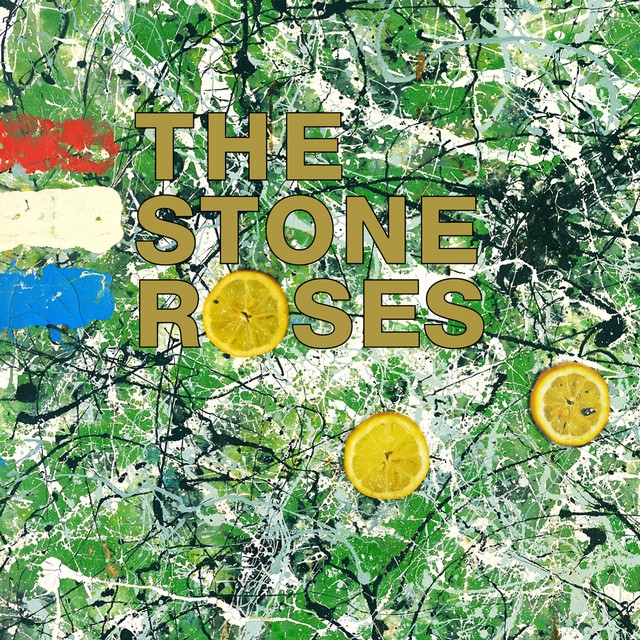
When The Stone Roses dropped in 1989, it didn’t so much break the charts as it seeped into the bloodstream of a generation. At first, it was just a bit of noise from Manchester. Then it became the blueprint for Britpop, the crown jewel of the Madchester movement, and the reason why half of us thought flared jeans and maracas were the future of rock ‘n’ roll. Thirty-plus years on, it’s a stone-cold classic that made you believe in rock again.
1. John Leckie Had to Rehearse the Band Like They Were Sixth Formers in a Talent Show
Producer John Leckie didn’t just hit “record”—he practically taught them how to be a band in the studio. The demos were a mess. Tempos racing like they were being chased by Happy Mondays, vocals drenched in more reverb than a haunted church. So Leckie hit reset. He slowed them down, chopped the chaos into clean intros and outros, and helped craft what would become one of the slickest albums of the decade. A bit of tough love, but the sort of thing that turns raw genius into greatness—and probably why it still sounds mint on vinyl.
2. The End of “I Am the Resurrection” Was Supposed to Melt Your Face Off
Originally, the band wanted “I Am the Resurrection” to end with a monstrous wall of guitar feedback like they did live—a total noise freakout to leave your ears ringing and your pint sloshed. But Leckie thought that was, quote, “boring.” Instead, he steered them toward a dreamy, melodic outro. The result? An iconic, jangly psych jam that floats into the clouds instead of smashing the ceiling. It’s one of the boldest anti-climaxes in British music—and it works beautifully.
3. The Album Cover Was a Lemon-Soaked Molotov Cocktail
You’ve seen that iconic splatter painting on the cover, right? That Jackson Pollock-inspired blast of green and yellow? It’s called Bye Bye Badman, painted by guitarist John Squire, and it’s not just artsy nonsense. It references the 1968 Paris riots, where protestors hurled lemons to counteract tear gas. The fruit in the artwork? Literal visual anarchy. Squire even blended in the Giant’s Causeway from a band trip to Northern Ireland. Stick that on your coffee table and call it cultural subversion.
4. “I Wanna Be Adored” Was Basically a Musical Hex
With its slow build and ominous mantra, “I Wanna Be Adored” and the hypnotic bassline enters at 0:40 like a heartbeat, followed by guitars looping through a pentatonic trance. Brown repeats: “I don’t need to sell my soul… He’s already in me.” Moody, arrogant, transcendent. It sounds like a sermon and a threat rolled into one, and it introduced the world to a band who truly believed they were sent from the heavens… or at least from the Haçienda.
5. The Band Nearly Tore Each Other Apart Over the Final Mix
You’d think after crafting an album that would eventually sell 4 million copies, they’d toast each other with champagne. Nope. Ian Brown and John Squire hated the final mix. They wanted the guitars louder, the bass grittier, the drums punching harder. Apparently, they’d been blasting Public Enemy in the studio and wanted the record to hit with the same ferocity. Leckie held the line, kept the balance, and we ended up with one of the most delicately explosive albums of all time.
The Stone Roses was a time bomb disguised as a groove. It took punk, pop, acid house, ego, attitude, and tambourines, and threw it all in a blender with some lemon juice. It was weird, brilliant, self-important, and completely necessary.
Now go dust off that record, blast “She Bangs the Drums,” and remind yourself what it felt like when music was more than algorithm fodder—it was rebellion in a parka.
See you at Spike Island 2.0.