


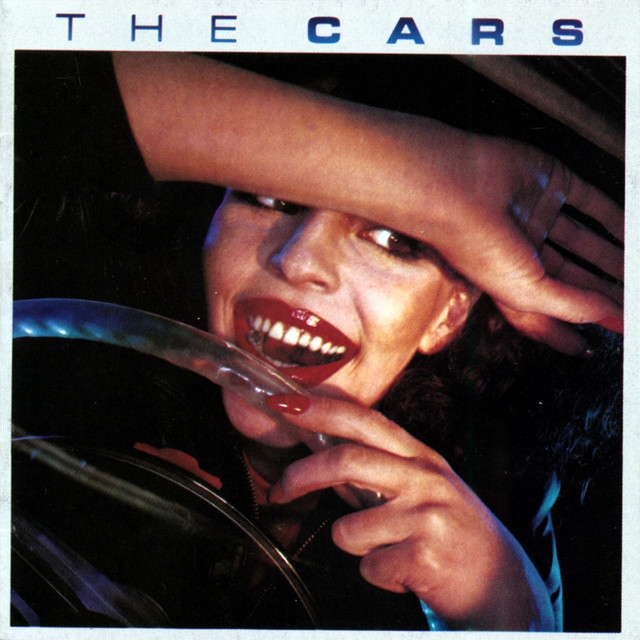
When the first three songs from your debut album—“Good Times Roll,” “My Best Friend’s Girl,” and “Just What I Needed”—are all stone-cold classics, something magical happened. Released on June 6, 1978, The Cars was a roadmap to what new wave could sound like when melody, technology, and irony collided at full speed. And over four decades later, it still sounds like the future. Let’s dive into five facts about this iconic album you may not know—but definitely should.
1. The Demos Became the Hits—With a Little Help From Boston Radio
Before The Cars had a record deal, Ric Ocasek was handing out demo tapes like flyers at a punk show. Two of those demos—“Just What I Needed” and “My Best Friend’s Girl”—found their way into the hands of Boston DJ Maxanne Sartori. She played them constantly on WBCN, and the phone lines exploded. Labels came calling, not because of some industry buzz, but because fans already knew the songs. Those exact recordings helped land the Elektra deal. If there was ever proof that radio still breaks bands, this was it.
2. The Album Cover Wasn’t the Band’s Idea—And They Weren’t Thrilled
The iconic cover featuring a woman laughing behind the wheel? That wasn’t the band’s design. In fact, drummer David Robinson had created an alternate version that cost just $80 to produce, but the label overruled it due to copyright issues. His original concept was shuffled inside as the inner sleeve. Guitarist Elliot Easton later said he got tired of “that big grinning face,” and Robinson agreed it looked too slick. It’s one of those great rock album covers that’s instantly recognizable—and quietly resented by the people who made the music.
3. They Used Technology Like Kids in a Candy Store
The Cars loved gear. Like, really loved it. Greg Hawkes had synths that blinked like alien spacecraft. David Robinson had footswitches lined up like a moon landing control panel. They’d scoop up the newest tech from music stores—even if it’d be outdated in two months. The result? A sound that felt decades ahead of its time. The Cars blended cold, machine-driven polish with emotional detachment and hooks for days. It wasn’t just punk energy—it was sci-fi pop built in a garage full of gear.
4. Ric Ocasek’s Lyrics Had Edge, Wit, and Zero Sentimentality
Ric Ocasek could write a pop chorus that made you want to dance, cry, or stare out the window, sometimes all at once. But his lyrics were sharp—ironic, sarcastic, and slyly cutting. “Let them brush your rock and roll hair,” he sang on “Good Times Roll,” with a smirk buried inside the melody. He once admitted the line wasn’t a throwaway—it was a way to let people interpret freedom on their own terms. He didn’t give you the dream. He gave you the feeling of someone dreaming while stuck in traffic.
5. Benjamin Orr Was the Secret Weapon
While Ric Ocasek was the band’s visual and lyrical architect, it was bassist Benjamin Orr who sang “Just What I Needed.” His voice—smooth, confident, and slightly removed—gave the song its cool detachment. Ocasek knew who should sing what, and Orr’s delivery made the lyrics even more biting. Ultimate Classic Rock even called the performance “perfect.” In the years that followed, Orr’s role in the band grew more appreciated. On this record, he didn’t just hold down the low end—he delivered the punchlines, too.
The Cars was released 47 years ago, but it hasn’t aged a minute. From the first note to the final fade, it captures the tension between romance and robotics, between radio and rebellion. Whether you’re hearing it for the first time or the 400th, it still sounds just what you needed.
Let the good times roll.