


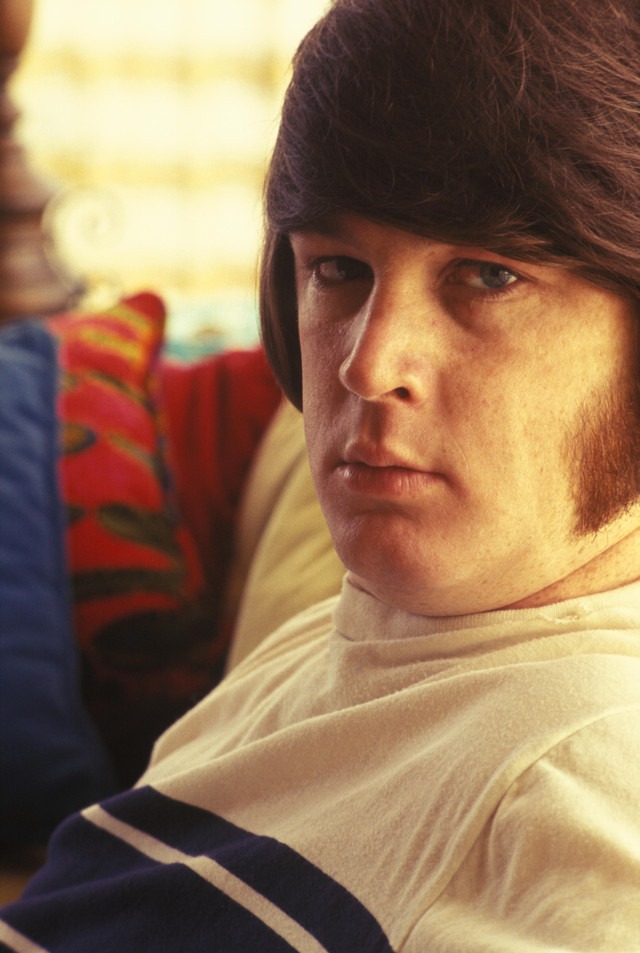
By the time Brian Wilson heard “Be My Baby” on the car radio and had to pull over just to cry, pop music already had its messiah—it just didn’t know it yet. From beach anthems to spiritual symphonies, Wilson made trends—he invented new languages for music to speak. Here are 10 ways Brian Wilson forever changed the sound, shape, and soul of music.
1. He Turned Surf Pop Into High Art
The Beach Boys started with songs about surfing, cars, and high school dances—but Brian had bigger dreams. Tracks like “In My Room” and “The Warmth of the Sun” traded sand for soul-searching. He smuggled emotional vulnerability into sun-soaked harmonies and made adolescent longing feel orchestral. Without Brian, surf music might have stayed stuck in the shallow end. With him, it dove deep.
2. He Made the Recording Studio an Instrument
Before Brian Wilson, most artists played into microphones and hoped for the best. Brian built songs in the studio. “Good Vibrations” was literally assembled across four studios in dozens of takes. He layered cellos, harpsichords, and Theremins like a painter mixing colors. Every studio knob became a brushstroke. And every other producer—from George Martin to Youth to Nigel Godrich —took notes.
3. He Invented the Concept Album Before It Was Cool
Before Sgt. Pepper, there was Pet Sounds. Wilson called it a “feeling album”—a diary in falsetto, a spiritual confessional dressed in 12-string guitars and French horn. It wasn’t just a collection of songs. It was an experience. Paul McCartney called it the inspiration for Sgt. Pepper. Brian made albums you didn’t just hear. You lived them.
4. He Elevated the Bassline to Center Stage
In Brian’s world, the bass wasn’t background—it was melody. Listen to “God Only Knows” or “Don’t Talk (Put Your Head on My Shoulder)” and the bassline tells its own story. Influenced by Motown and classical music alike, he wove the bass into the emotional DNA of the track. It danced, it cried, it anchored entire songs in mystery and movement.
5. He Wrote the Saddest Happy Songs Ever Made
No one captured melancholy wrapped in sunshine like Brian Wilson. “Wouldn’t It Be Nice” sounds like a love song for prom night—until you hear the ache underneath. “I Just Wasn’t Made for These Times” made feeling out of place into a national anthem for misfits. Wilson proved that joy and sadness could share the same melody—and that pop songs could break your heart with a smile.
6. He Brought Classical Composition to Pop
Brian took inspiration from Bach, Gershwin, and the Four Freshmen—and somehow made it sound like California. He used counterpoint, chromaticism, and orchestration in ways unheard of in pop. Songs like “Let’s Go Away for Awhile” were instrumentals worthy of film scores. He didn’t just bridge pop and classical—he dissolved the bridge altogether and built something new.
7. He Pioneered DIY Before It Had a Name
Long before bedroom pop was a genre, Brian turned his house into a studio. With sand on the floor and dogs barking in the background, he recorded parts of Smiley Smile and Friends in his Bel Air mansion. He showed that music didn’t need a label’s studio—just vision, tape, and the courage to sound like nothing else on Earth.
8. He Was the First Vulnerable Male Pop Star
In a world of leather jackets and swagger, Brian Wilson admitted he was scared, sensitive, and unsure. He wasn’t a rock god—he was the boy who stayed home while everyone else went to the beach. “Caroline, No” is about love fading. “‘Til I Die” is an existential sigh in harmony. His bravery was just being honest.
9. He Made Harmony Into a Spiritual Force
Brian Wilson didn’t just arrange harmonies—he conjured them. He taught his brothers and cousins to sing like angels and made even “Ba ba ba ba ba” feel divine. Listen to “Our Prayer” and you’ll swear the Beach Boys discovered a direct line to heaven (or the cosmos). His influence lives on in everyone from Fleet Foxes to Bon Iver to Animal Collective.
10. He Finished Smile—40 Years Later
Imagine starting the most ambitious album of the 1960s, having a breakdown, shelving it for decades, and then finally releasing it to standing ovations in your 60s. That’s Smile. It was a myth, a ghost, a tragedy—and then a triumph. When Brian Wilson Presents Smile came out in 2004, it was the sound of healing. Of hope. Of what might have been—and still was.
Brian Wilson changed what music could be. He made pop weird, wonderful, heartbreaking, and holy. And now that he’s gone, the silence sounds like it’s missing something. But play any of his records, and it’s all still there: the California sun, the teenage dream, the symphony in the sandbox.