


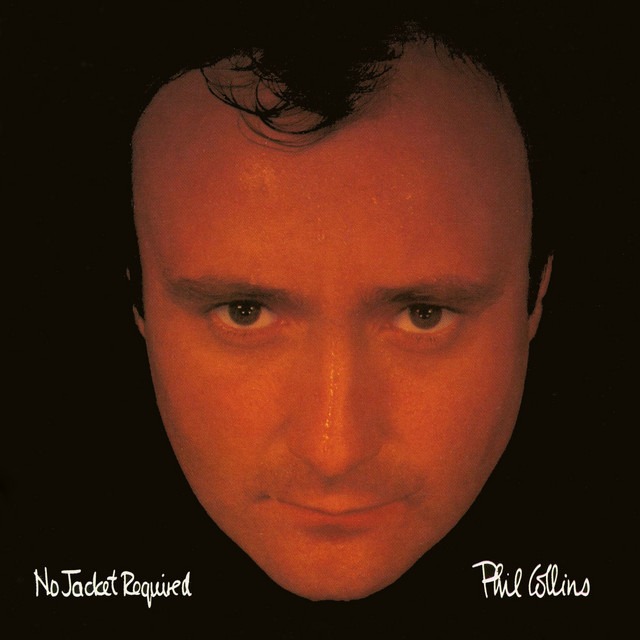
Sometimes an album becomes more than a collection of songs—it becomes a time capsule, a turning point, a burst of everything an artist has carried inside. In 1985, Phil Collins released No Jacket Required, an album full of horns, hooks, heartbreak, and healing. It took him from the drummer in the back to the voice in every living room. With over 25 million copies sold, four massive singles, and a world tour that included both Live Aid stages in one day, No Jacket Required still echoes in stadiums, in movie soundtracks, and in the kind of moments that don’t always need explanation. Here are five things you might not know about this landmark album—and why it still kills nearly 40 years later.
1. It begins in a quiet room with a drum machine and a broken heart
Phil Collins writes most of No Jacket Required in five focused weeks, fresh off producing Philip Bailey and working with Eric Clapton. He returns from his honeymoon with a mission—to make something upbeat after the shadow of his first divorce had shaped so much of Face Value. Songs like “Sussudio” and “One More Night” are born from improvisation, but the emotion behind them feels lived-in. Even the happiest tracks carry the ache of someone who knows what it’s like to hurt.
2. “Take Me Home” hides its pain in plain sight
With its sweeping chorus and stadium-sized synths, “Take Me Home” sounds like a road song. But Collins says it’s inspired by One Flew Over the Cuckoo’s Nest, and imagines the voice of someone trapped in a mental institution. Backing vocals from Sting, Peter Gabriel, and Helen Terry add haunting layers to a song that’s really about wanting to be seen, to be heard, and to belong.
3. “Long Long Way to Go” becomes Collins’ quiet protest
Tucked between radio hits, “Long Long Way to Go” feels like a prayer. It doesn’t chart, but it might be the most powerful song on the album. Written during a time of global unrest, Collins invites Sting to sing backup not for star power, but because they had shared a moment of purpose in Band Aid. The song’s title says it all—some things don’t change overnight. But they’re worth singing about.
4. A restaurant dress code gives the album its name—and its fire
Collins is denied entry to The Pump Room in Chicago for not wearing a “proper” jacket. Robert Plant gets in. Collins, wearing a jacket, doesn’t. That sting stays with him. He names the album No Jacket Required, adding sweat and steam to the cover photo. The music inside is confident, vulnerable, and lit from the inside—like someone who’s spent years being underestimated and finally gets to speak loud enough to be heard.
5. Every lyric comes from a place Phil is still trying to understand
Not every song on the album makes sense—not even to Collins himself. “Don’t Lose My Number”? He’s not quite sure what it means. “Sussudio”? A made-up word from a jam session. But that’s the magic of the record. It’s not always literal. It’s emotional. It’s the way a phrase feels when it fits the music. That’s what keeps No Jacket Required alive—not just the precision, but the pulse.
No Jacket Required captures an artist at the height of his popularity, and still reaching for something honest. It’s got chart-toppers, guest stars, and synths for days—but underneath all that shine is a songwriter who just wants to connect. These songs weren’t just made for radio—they were made for anyone trying to hold it all together.