


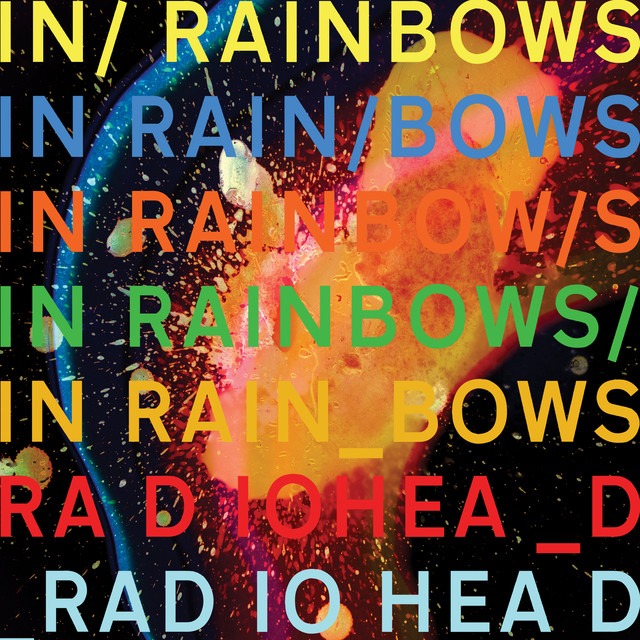
Radiohead didn’t announce their In Rainbows album with a press tour or a big reveal—it floated into inboxes like a quiet meteor in 2007, transforming the music industry in the process. With its pay-what-you-want release, radiant artwork, and some of the band’s most intimate songwriting, it became both a cultural moment and a creative reset. But behind the colorful splash of its cover and the haunting beauty of tracks like “Nude” and “Reckoner” are stories full of weird houses, surprise kids’ choirs, and a truly funky drum machine. Here are 5 facts about In Rainbows that might make you hear it all differently.
1. The album was born in a crumbling mansion full of “strange vibes.”
Radiohead recorded part of In Rainbows at Tottenham House, a derelict country estate with holes in the floors, broken windows, and rain leaking through the ceilings. The band lived in caravans on the property while recording inside the spooky building. Thom Yorke later said the place had an eerie energy that crept into the music. Apparently, a haunted vibe pairs well with strings and falsetto.
2. One song took four versions—and a few “sonic babies.”
“All I Need” wasn’t recorded in one clean take. Instead, it was pieced together from four different versions. Producer Nigel Godrich blended elements of each and made the band commit to their performances by locking in the rhythm track early. Colin Greenwood said the result created something beautifully unpredictable, like their sounds were “having little sonic babies.”
3. A group of schoolchildren helped open the album.
The cheer you hear at the start of “15 Step” isn’t sampled from a festival—it’s a real group of kids from Oxford’s Matrix Music School. Their joyful clapping and whooping offsets the song’s darker lyrics about disillusionment. The contrast was deliberate, and also kind of adorable: the band added the kids after hearing their excitement in the studio hallways.
4. One bassline saved a song ten years in the making.
“Nude” first appeared during the OK Computer sessions but never quite worked. Years later, Colin Greenwood came up with a new bassline that unlocked the song’s flow and finally brought it to life. The updated version—with lush strings and Yorke’s aching falsetto—became one of the album’s emotional high points. Sometimes, it takes a decade to find the right groove.
5. Radiohead’s final decision wasn’t about money—it was about freedom.
The pay-what-you-want release model for In Rainbows started as an idea from their managers during a long recording stretch. Radiohead wanted to reach fans directly, without rules or intermediaries. Fans could download the album for free—or pay whatever they felt it was worth. No catch, no email sign-up. Just music, straight from the source.
In Rainbows continues to glow brighter with time—sonically rich, emotionally open, and packed with details that reward careful listening. Whether you fell in love with the layered swirl of “Weird Fishes” or the whispered goodbye of “Videotape,” the album remains a triumph of feeling over flash. And now you know: sometimes it takes haunted mansions, string theory, and a room full of kids to make something timeless.