

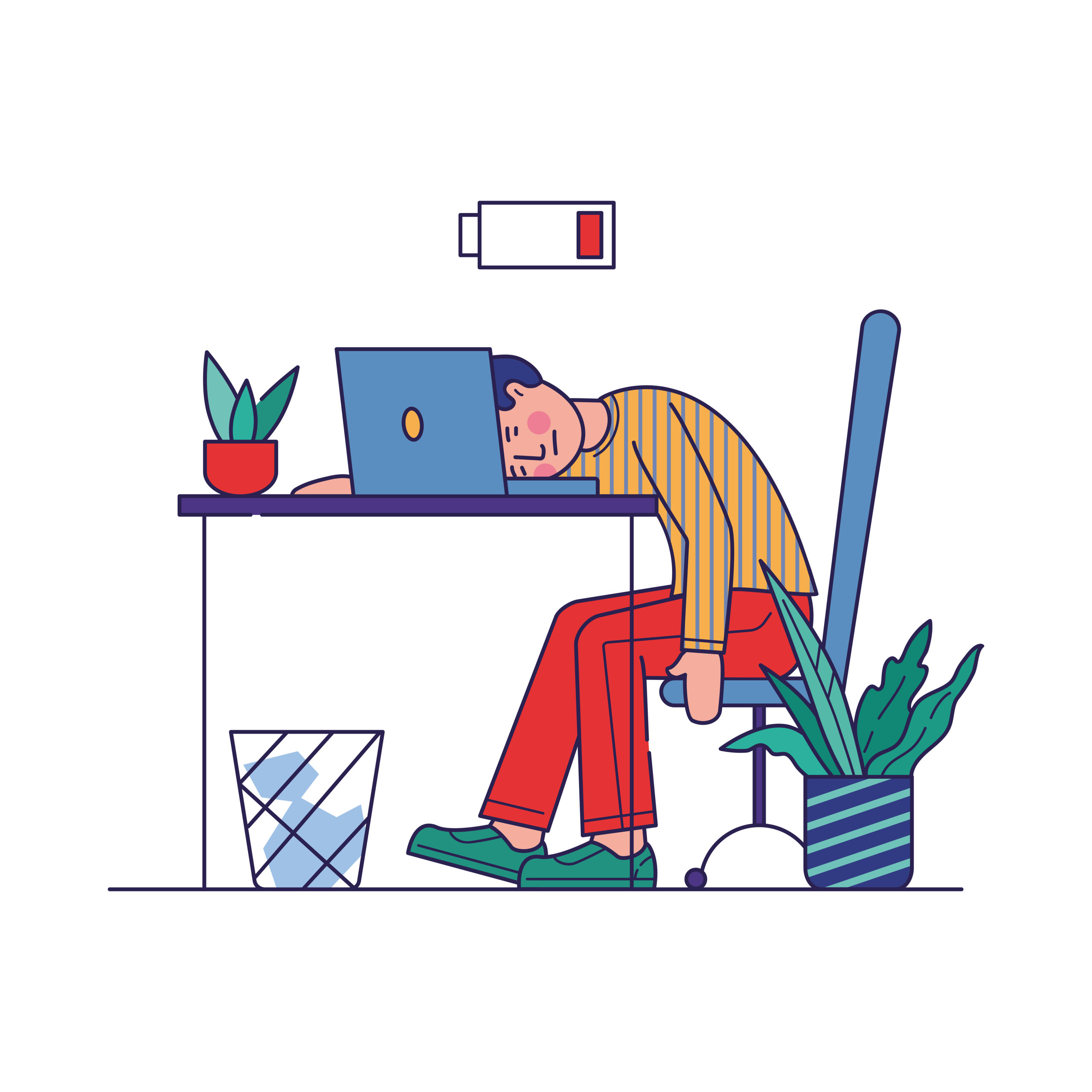

The music industry can be thrilling, but it can also be exhausting. Long nights, constant pressure to produce (social media, all the time. All. The. Time.), the rollercoaster of validation and criticism — it adds up. Burnout isn’t just a buzzword; it’s a very real emotional, mental, and physical drain that’s taken down some of the most beloved names in music. So, on behalf of your mental health and your art, here are 10 practical, psychologist-approved tips — with a little help from someone who’s been backstage, in the studio, and still standing.
Recognize the signs early.
When creativity starts feeling like a chore, your body aches for no reason, or you dread every call — it’s not weakness, it’s burnout. Even Lady Gaga had to stop and reset.
Sleep like your career depends on it — because it does.
You can’t write hits on zero sleep. Even Bruce Springsteen, the hardest-working man in rock, takes breaks to recover and restore.
Redefine success for yourself.
Billie Eilish once said she had to unlearn what success should look like. Followers and charts don’t mean much if you’re miserable inside.
Set boundaries — and keep them.
Just because your phone buzzes at 2 a.m. doesn’t mean you have to answer it. Alanis Morissette is vocal about protecting her peace. You can be, too.
Find someone to talk to — and actually talk.
Whether it’s a friend, a therapist, or a fellow artist, saying it out loud helps. Logic rapped his way through his darkest moments and found light in opening up.
Take tech breaks.
Constant scrolling feeds comparison, not creativity. Zayn left social media to focus on healing. If the screen steals your peace, put it down.
Say no, even to things that look good.
Not every collab, gig, or tour is worth your energy. Sinead O’Connor turned down huge opportunities to prioritize her mental health — and never apologized for it.
Get help if you’re spiraling.
There is no shame in needing help. Demi Lovato said the first step in recovery was admitting she couldn’t do it alone. Neither should you.
Do something you love that isn’t music.
Paint, cook, hike, nap — anything that reminds you who you are outside of your art. Avicii loved quiet nature more than noisy clubs. Listen to what your soul needs.
Grieve when you need to.
Burnout can come from loss, not just overwork. Chester Bennington’s voice carried pain because he felt it deeply. Feel yours. It’s human.
Burnout doesn’t mean you’re broken — it means you’ve been giving too much for too long. Take this as your permission slip to step back, breathe, and take care of yourself the way you’d take care of your bandmate, your collaborator, or your best friend. The music will wait. Your health can’t.