


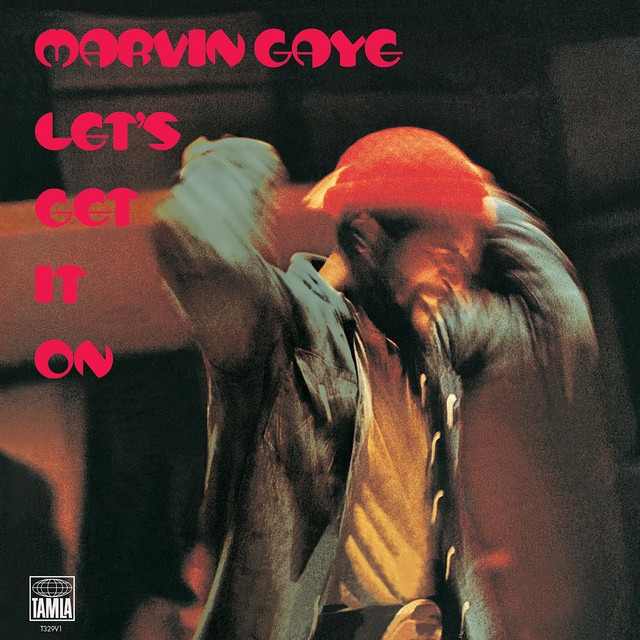
Albums about sex move hips. Let’s Get It On moves history. Released August 28, 1973, Marvin Gaye’s twelfth studio LP shifted the sound of Motown and stretched the boundaries of what soul music could feel like. Romantic, erotic, and deeply spiritual, it showed Gaye’s mastery not just as a vocalist, but as an architect of mood. And if you thought you already knew this record, turn down the lights and let these 5 lesser-known facts remind you: Marvin was playing in a deeper key than anyone realized.
1. “Let’s Get It On” Started as a Religious Anthem
Before the sensual falsettos and sultry guitar licks, “Let’s Get It On” was a spiritual hymn. Co-writer Ed Townsend, fresh from rehab, envisioned it as a message of divine uplift. Marvin recorded a version with political themes, but Townsend redirected it toward love. The music stayed, but the meaning shifted—from salvation to seduction, from Sunday morning to satin sheets. Janis Hunter, then just 17, entered the studio, and Marvin’s delivery turned into a live-wire transmission of real-time desire.
2. “Distant Lover” Took Over 20 Sessions to Perfect
Every whisper, every wail—Marvin bled for this track. “Distant Lover” first appeared as “Head Title” in 1970, captured in a raw falsetto growl with background chatter from Gaye’s niece-in-law Denise Gordy. But Marvin wasn’t done. He recorded take after take over three years. The final version features that heartbreak howl, floating above mellow doo-wop harmonies and ghostly mic bleed. It became a concert staple and one of Gaye’s most hypnotic ballads.
3. The Originals Kept One Track Anchored in the Past
“Just to Keep You Satisfied” first glided through Motown as a love song performed by The Originals. When Marvin claimed it for Let’s Get It On, he rewrote the lyrics to reflect his own crumbling marriage with Anna Gordy. The Originals’ background vocals stayed in, haunting the track like a memory. The result? A breakup song steeped in vintage harmony, personal grief, and gospel-like reverence.
4. The Funk Brothers Brought the Heat, Finally Got the Credit
James Jamerson on bass. Eddie “Bongo” Brown on percussion. The Funk Brothers, long the unsung heroes of Motown’s house sound, laid down the grooves for Let’s Get It On. This time, they got their name on the sleeve. Their syncopation powered the funk in “Come Get to This” and the aching pulse in “If I Should Die Tonight.” These were craftsmen of feel, and Marvin knew exactly how to use their touch.
5. “You Sure Love to Ball” Was Bold Even by 1973 Standards
Heavy breathing. Full moans. A groove soaked in red velvet. “You Sure Love to Ball” was Marvin’s most daring studio moment to date, complete with studio-recorded intimacy right on the track. Radio stations blushed. Some refused to play it. But it charted anyway—proof that soul’s power lies not just in what’s said, but in what’s felt between the lines.
Let’s Get It On is an album of dualities—earthy and divine, soft and raw, vintage and future. It helped birth the slow jam, shaped quiet storm radio, and turned Marvin into a messenger of pleasure and pain. Every groove is a diary entry, every vocal a sermon. And 50 years later, the lights are still low, and the speakers still whisper his name. If you were born in June, 1974, you know why.