


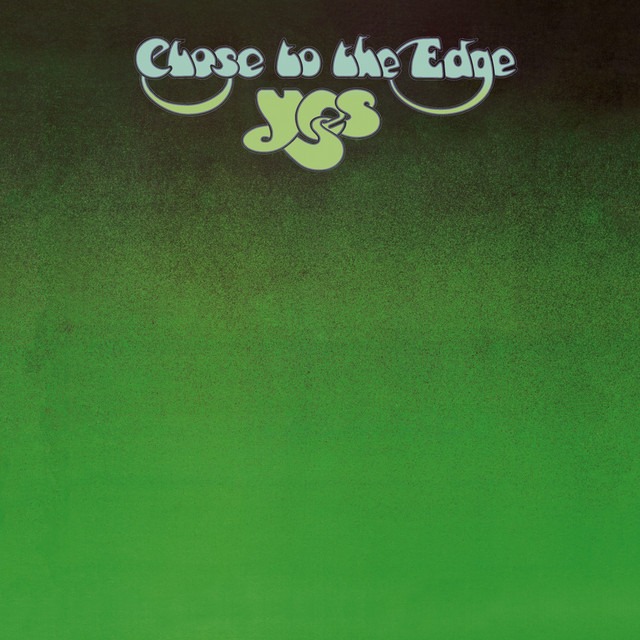
In September 1972, Yes released Close to the Edge, an album that soared to new heights of musical imagination. With its intricate arrangements, poetic lyrics, and fearless experimentation, the record became a landmark in progressive rock. It brought together everything the band had been building toward—Jon Anderson’s mystical visions, Steve Howe’s virtuosic guitar work, Rick Wakeman’s majestic keyboards, Chris Squire’s thunderous bass, and Bill Bruford’s inventive drumming. Together with producer Eddy Offord, Yes created a world that felt both celestial and grounded, intimate and infinite. From its opening swirl of nature sounds to its final fading echoes, Close to the Edge invites listeners into a sprawling, symphonic journey.
Here are 5 wondrous facts you might not know about the making of this classic:
1. A 40-Foot Tape Loop? Oh, Go On Then!
Before a single lyric was sung, the album’s title track opened with a blend of babbling brooks, chirping birds, and wind chimes—all spliced together on a whopping 40-foot loop of tape. Jon Anderson fancied a bit of nature in his music, so they quite literally stitched the forest into the song.
2. Rick Wakeman Played a Church Organ. A Real One.
For the celestial bit in “I Get Up, I Get Down,” Rick Wakeman popped over to St Giles-without-Cripplegate in London to record on a proper church pipe organ. It was so majestic, one might’ve expected a knight to gallop past mid-solo.
3. The Album Nearly Went in the Bin. Literally.
One of the band’s favourite takes got tossed by the cleaning crew at Advision Studios. What followed was a frantic bin dive, rescuing magnetic tape from the jaws of a janitor’s dustbin. Progressive rock: glamorous and gritty!
4. Steve Howe’s “Okay” Wasn’t Meant to Stay
The very first sound you hear on “And You and I”? That little “Okay”—it’s Steve Howe responding to the engineer. Completely unplanned, but the producer insisted it added charm. And honestly, he was right. It’s prog with a wink.
5. Roger Dean’s Logo Debuted Here, Mid-Train Journey
While the band crafted soundscapes from dreams, artist Roger Dean doodled a now-iconic bubble logo on a train to Brighton. Inspired by medieval bookbinding and misty tarns in the Lake District, the artwork became as timeless as the music.
From bubbling brooks to bin rescues, Close to the Edge is a prog masterpiece full of eccentric magic and meticulous invention. It doesn’t just sound like another world—it practically built one.