


What made 1980s movie songs so iconic? For starters, music videos brought the movies straight to MTV and MuchMusic. By turning film scenes into promotional clips, songs like “Danger Zone” and “Footloose” reached massive audiences before the credits even rolled. At the same time, the rise of CDs gave these soundtracks a new kind of staying power—crystal-clear sound, sleek packaging, and the thrill of replaying your favourite film moments anytime, anywhere.
The movies were packed with unforgettable feelings, and the songs matched them beat for beat. From heartbreak to triumph, these tracks became the emotional centerpieces of their films. Add to that the constant loop of radio airplay, TV rotation, and soundtrack sales, and you had a recipe for timeless popularity. These were the sound of a generation growing up on-screen.
“Don’t You (Forget About Me)” – Simple Minds
Simple Minds originally rejected the song—so did Billy Idol and Bryan Ferry. But once John Hughes placed it over The Breakfast Club’s final scene, it became their only U.S. #1. The improvised “la-la-las”? Total accident. It ended up defining an entire generation of angsty teens and late-night MTV viewers.
“Footloose” – Kenny Loggins
Co-written with screenwriter Dean Pitchford in a hotel room, this track mirrored its own plot—the town where they filmed had actually banned dancing. It spent three weeks at #1 in 1984 and turned Kenny Loggins into a soundtrack legend. The video? Pure rebellion cut with charisma and choreography.
“Ghostbusters” – Ray Parker Jr.
Inspired by late-night infomercials, Parker wrote the hook in under three days. The “Who you gonna call?” line became pop culture gold. Though Huey Lewis sued over its similarity to “I Want a New Drug,” it still earned Parker an Oscar nom—and a hit video with Chevy Chase and John Candy.
“Take My Breath Away” – Berlin
Berlin hated it. Their label forced them to record it. Giorgio Moroder composed it. And Top Gun’s love scene was reshot to match the song’s vibe. The result? A global #1 and an Oscar-winning ballad that completely reshaped the band’s sound and legacy.
“The Power of Love” – Huey Lewis and the News
Not written for a specific scene, just the spirit of Back to the Future. It hit #1 on Billboard, gave Huey a cameo as a disapproving talent show judge, and helped turn the soundtrack multi-Platinum. The song’s success made it essential to the franchise’s cool factor.
“Flashdance… What a Feeling” – Irene Cara
Recorded in one take—while lying on her back. Co-written with Giorgio Moroder, it won the Oscar, Grammy, and Golden Globe. Its theme of perseverance captured the dreamer’s struggle, and its legacy defined the ‘80s underdog formula. Also: it sold millions.
“Danger Zone” – Kenny Loggins
Toto passed. Loggins stepped in. Written by Giorgio Moroder and Tom Whitlock, its jet-powered riff and Top Gun montage made it a peak adrenaline hit. It reached #2 on Billboard, turned Loggins into the “soundtrack guy,” and dominated MTV with just clips of planes and Cruise.
“If You Leave” – Orchestral Manoeuvres in the Dark (OMD)
Written in under 24 hours to match a Pretty in Pink ending change. It became OMD’s biggest U.S. hit and peaked at #4. The band called it a fluke, but the slow-motion prom scenes made it immortal in teen movie canon.
“In Your Eyes” – Peter Gabriel
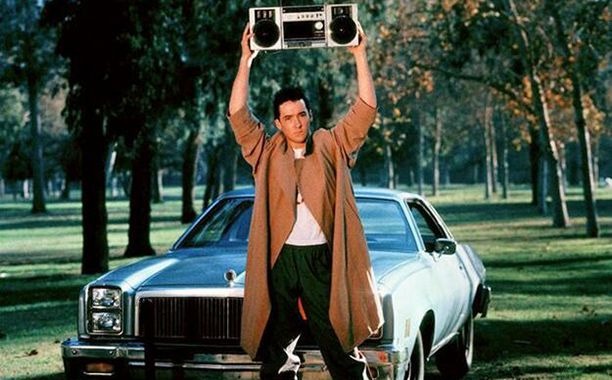
Not a major hit on release—until Say Anything’s boombox scene revived it. Gabriel was hesitant to license it, but it recharted, became a wedding staple, and cemented its place as one of the most romantic tracks of all time. It was worldbeat poetry wrapped in pop.
“Eye of the Tiger” – Survivor
Written at Sylvester Stallone’s request after Queen denied the use of “Another One Bites the Dust,” “Eye of the Tiger” was custom-made for Rocky III. Its opening riff became an instant symbol of determination. The song spent six weeks at #1 on Billboard, won a Grammy, and was nominated for an Oscar. Survivor wrote it in just a few days—and it launched them into rock history. Even now, it’s the soundtrack of every underdog comeback.