


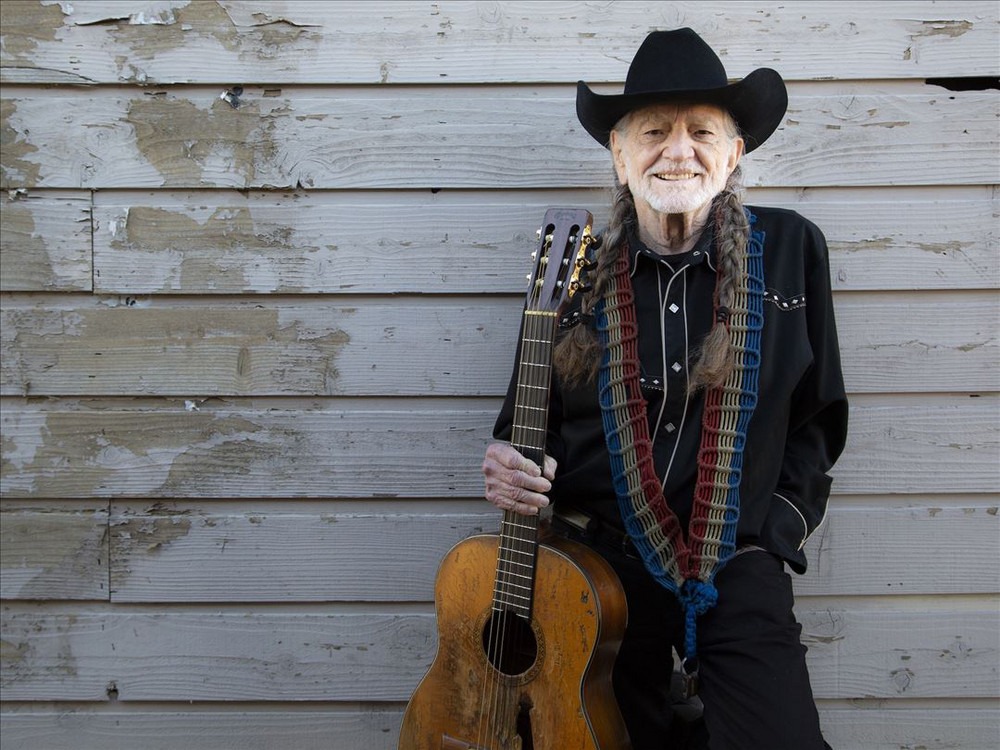
In an industry obsessed with youth, there’s something deeply inspiring about artists who continue to evolve, challenge themselves, and captivate audiences long after most would consider retiring. While many musicians fade from the spotlight or lose creative steam with age, some defy expectation—producing groundbreaking albums, selling out stadiums, and shaping culture well into their 60s and beyond. These artists prove that greatness isn’t bound by time, and that artistry can deepen with experience, perspective, and age.
Here are ten musicians who didn’t just maintain their brilliance after 60—they redefined it.
Bob Dylan
Before 60, Bob Dylan was already a Nobel-worthy legend: the voice of the 1960s, a prolific songwriter, and cultural icon with masterpieces like Blonde on Blonde, Blood on the Tracks, and Time Out of Mind. But post-60, he released Modern Times (2006), Rough and Rowdy Ways (2020), and even a Sinatra-inspired standards trilogy that showcased his vocal phrasing in new, nuanced ways. Dylan’s ability to reinvent himself without losing his poetic fire has kept him at the vanguard of American music well into his 80s.
Dolly Parton
By 60, Dolly Parton was a country legend and crossover queen, with hits like “Jolene,” “9 to 5,” and “I Will Always Love You,” along with business savvy that built Dollywood and a media empire. After 60, she released the acclaimed Backwoods Barbie (2008), performed at Glastonbury, and earned new fans through collaborations with younger artists. Her philanthropy—like funding COVID-19 vaccine research—only enhanced her cultural relevance. Dolly is proof that authenticity, warmth, and hustle never go out of style.
Paul McCartney
A Beatle, a Wings frontman, and solo hitmaker before turning 60, Paul McCartney could’ve coasted on his catalog. Instead, he doubled down creatively. Albums like Memory Almost Full (2007), Egypt Station (2018), and McCartney III (2020) showed continued curiosity and musical exploration. His sold-out tours into his 80s—complete with three-hour sets—show a stamina that matches his legacy. McCartney remains a vital musical force and a living link to rock’s golden age.
Tina Turner
Tina Turner’s comeback in her 40s with Private Dancer was already the stuff of legends. But she didn’t slow down after 60—touring globally, performing at the Grammys and Live 8, and releasing her final studio album Twenty Four Seven (1999) just before turning 60. In her later years, she published a bestselling memoir, oversaw a hit Broadway musical, and became a spiritual icon of resilience. Tina’s strength, style, and singular voice kept her legacy vibrant until her passing in 2023.
Leonard Cohen
The Canadian bard crafted contemplative, mystical songs for decades before retreating from the public eye. But after a financial betrayal forced him back on stage in his 70s, Cohen experienced an artistic rebirth. Albums like Old Ideas (2012) and You Want It Darker (2016) received critical acclaim, and his world tours revealed a commanding, sly stage presence. Cohen’s late work deepened his legacy, proving that wisdom and gravity can be rock and roll too.
Cher
Cher was a TV star, fashion icon, and chart-topping singer by 30—and still topping charts after 60. Her 1998 hit “Believe” reshaped pop’s use of Auto-Tune, and her Closer to the Truth album (2013) hit Billboard’s Top 5 when she was 67. With Las Vegas residencies, scene-stealing film roles, and viral tweets, she’s stayed relevant to multiple generations. Few artists have reinvented themselves more fearlessly—or with more fun—than Cher.
Willie Nelson
Willie Nelson had already penned classics like “Crazy” and released Red Headed Stranger before most of us knew what a concept album was. After 60, he became even more prolific—releasing over two dozen albums since the 1990s, including God’s Problem Child (2017) and A Beautiful Time (2022), which won him a Grammy at age 89. Willie’s timeless voice, activism, and humor keep him beloved across generations—and still gigging at 90.
David Bowie
Bowie’s death in 2016 reminded the world just how vital he remained to the very end. Long after his Ziggy Stardust days, Bowie kept innovating. His album The Next Day (2013) marked a stunning return, and Blackstar (2016), released just two days before his death, was a haunting, avant-garde masterpiece. It reasserted his genius and willingness to confront mortality through art. Bowie’s post-60 work wasn’t just great—it was daring.
Mavis Staples
As a member of The Staple Singers, Mavis Staples gave voice to civil rights anthems. But her solo career flourished even more after 60, with a string of powerful albums produced by the likes of Jeff Tweedy (You Are Not Alone, 2010) and Ben Harper (We Get By, 2019). Her raw, spirit-filled vocals, community activism, and powerful presence have made her a beacon for artists young and old. Mavis continues to bridge gospel, soul, and protest into her 80s.
Bruce Springsteen
Before 60, Bruce Springsteen was “The Boss,” with albums like Born to Run, Nebraska, and The Rising shaping America’s musical identity. Since then, he’s released Western Stars (2019), Letter to You (2020), and a Broadway show that became a Netflix special. His E Street Band tours remain massive events. Springsteen’s late-career work shows emotional depth and vulnerability while proving he can still fill stadiums—and hearts.
What binds these artists is that they stayed curious, collaborated with younger musicians, embraced new genres or technologies, and kept performing with soul and conviction. In doing so, they redefined what aging in music looks like—not as decline, but as deepening.
Their stories are a reminder that artistry doesn’t come with an expiration date. If anything, experience only sharpens the tools. For listeners and fellow musicians alike, these legends offer more than great music—they offer a blueprint for staying passionate, resilient, and creatively alive at any age.