


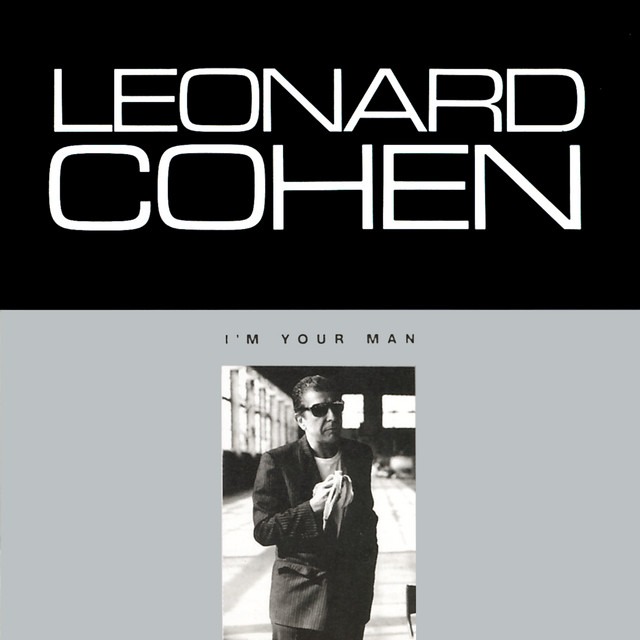
Released in 1988, I’m Your Man brought Leonard Cohen into a new era of sound and storytelling. With its bold embrace of synthesizers, drum machines, and cinematic arrangements, the album became a defining chapter in his career. Each track carries both precision and emotional weight, offering an intimate look at an artist deeply attuned to his craft.
1. A Global Studio Journey
The album was recorded across Los Angeles, Montreal, and Paris, bringing together a trio of contributing producers alongside Cohen himself. It was the first studio album where he took sole production credit, weaving modern textures with traditional instrumentation such as bouzouki, oud, and violin. This combination created a sonic space that was both contemporary and timeless.
2. A Voice in Full Stride
By the time of I’m Your Man, Cohen felt his voice had reached the strength and authority he had long sought. He spoke of being able to deliver songs with the necessary intensity, marking the album as a point where his vocal delivery and lyrical intent aligned completely. The result was a sound that carried both depth and assurance.
3. Poetry in Motion: “Take This Waltz”
“Take This Waltz” was adapted from Federico García Lorca’s poem Pequeño vals vienés, one of Cohen’s personal favorites. Originally recorded for a Lorca tribute album in 1986, it found a new life here with violin and duet vocals from Jennifer Warnes. The song became a chart-topper in Spain, a testament to the enduring resonance of Lorca’s imagery paired with Cohen’s music.
4. “Tower of Song” as a Songwriter’s Testament
“Tower of Song” stands as a meditation on the art of writing itself. Completed in Montreal and first recorded on a toy synthesizer, the piece reflects on aging, inspiration, and devotion to the craft. The lyric “I was born with the gift of a golden voice” became a beloved moment in live performances, celebrated for its humility and humor.
5. An Image That Spoke Volumes
The album’s cover—Cohen in a pin-striped suit, sunglasses, and a banana in hand—was captured spontaneously during a video shoot visit. Cohen felt the image reflected the human paradox of self-assured presentation and the gentle absurdity beneath it. It became not only the album’s visual signature but also the centerpiece of his 1988 tour promotion.
I’m Your Man stands as a pivotal work in Leonard Cohen’s catalog. It bridges his poetic origins with a modern production approach, pairing unflinching lyrical clarity with musical sophistication. Decades on, it continues to invite listeners into a world where every word is measured, every note intentional, and every song a quiet monument.