


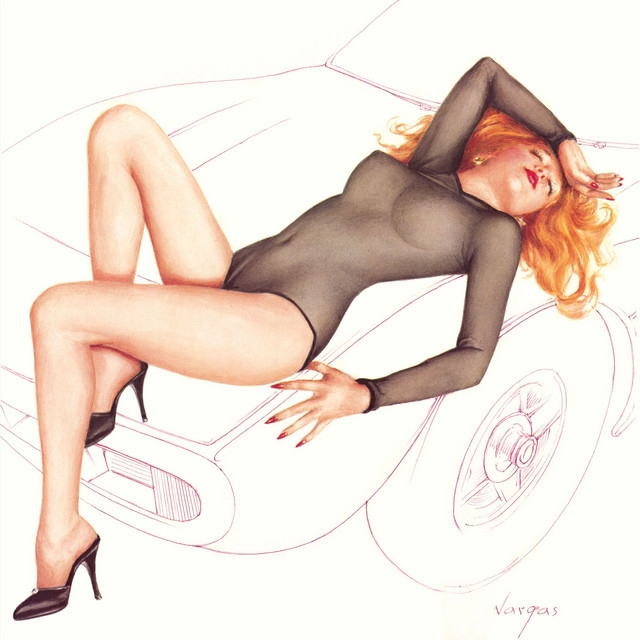
After the sleek precision of their debut, The Cars came roaring back with Candy-O in June 1979. It was bigger, bolder, and hit #3 on the Billboard 200, proving the band was no one-album wonder. With pin-up fantasy artwork and tightly wound synth-rock, Candy-O remains a snapshot of new wave cool—loaded with surprising backstories.
1. Democracy in Action
Unlike their debut, Candy-O was shaped by group votes. Ric Ocasek would bring in a rough demo, and if the band didn’t agree, the song was scrapped. “Double Life” almost didn’t make the cut, proving how collaborative this record really was.
2. Vargas Pulled Out of Retirement
The striking album cover came from famed pin-up artist Alberto Vargas. At 83, he had retired after his wife’s death, but was persuaded by his great-niece—who loved The Cars—to take on the commission. The result is one of rock’s most iconic covers.
3. A Model Named Candy on Candy-O
The Ferrari-draped figure on the cover was real model and actress Candy Moore. She went on to appear on Rick James’ Street Songs cover and other sleeves. She briefly dated drummer David Robinson, who also dreamed up the concept for the shoot.
4. A Hook from the Routers
The handclap-and-shout hook of “Let’s Go” was lifted from the Routers’ 1962 hit “Let’s Go (Pony).” Paired with Greg Hawkes’ Prophet-5 synth riff, it gave The Cars their first top 20 hit—and later became the 100th video ever aired on MTV.
5. “Dangerous Type” and a T. Rex Echo
Though never a single, “Dangerous Type” has become a cult fan favorite. Its slinky guitar riff mirrors T. Rex’s “Bang a Gong,” and its grand, swelling finale closes the record in the same cinematic way “All Mixed Up” capped their debut.
Candy-O was a neon-drenched expansion of The Cars’ vision, with democratic songwriting, sly humor, and one of the most memorable covers in rock history. Forty-five years later, it still gleams like chrome on the open highway.