


In the annals of global music, few genres possess the seismic cultural impact and rhythmic complexity of Afrobeat. Born from the visionary mind of Fela Kuti, this electrifying fusion of traditional Nigerian music, Ghanaian highlife, jazz, funk, and revolutionary politics is more than just a sound—it’s a movement. But where do you start? How do you trace the roots, the branches, and the vibrant, ever-evolving leaves of this essential sound?
It’s about the journey, the discovery, and the undeniable groove that lives at the core of it all. You can read all the liner notes you want, but the real education comes from pressing play. Here are 25 Essential Albums for Understanding Afrobeat, from the masters who defined it to the new voices who are carrying its powerful legacy forward.
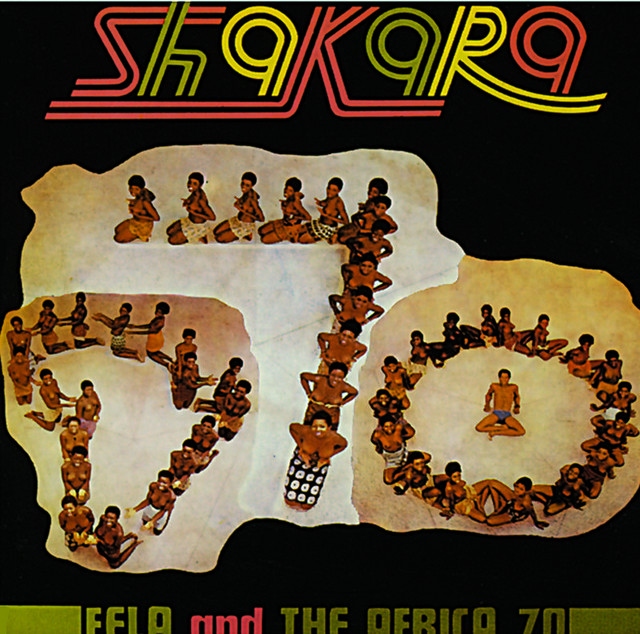
Africa 70
‘Shakara’ (1972) This album captures the raw, kinetic energy of Fela Kuti’s early sound before he officially changed the band’s name. The title track, “Shakara,” is an iconic example of Afrobeat’s signature call-and-response and deep rhythmic lock.
Amadou & Mariam
‘La Confusion’ (2017) The Malian duo blends their signature desert blues with modern, electronic-tinged Afrobeat rhythms. It’s a gorgeous, globe-trotting take on the genre’s expansive spirit, showing its reach far beyond Nigeria.
Angélique Kidjo
‘Mother Nature’ (2021) The Beninese superstar delivers a powerful, Grammy-winning exploration of her West African roots fused with global contemporary sounds, featuring collaborations with new-generation African artists. It’s a testament to Afrobeat’s enduring role as a musical foundation.
Antibalas
‘Who is This America?’ (2004) The Brooklyn-based band is arguably the most successful American proponent of the genre, serving as the bridge for many listeners outside of Africa. This album’s politically charged lyrics and tight arrangements perfectly honor the spirit of Fela Kuti.
Asake
‘Work of Art’ (2023) A vibrant example of the contemporary Afrobeats sound, blending Amapiano, Fuji, and hip-hop. This album shows how Afrobeat’s rhythmic DNA is shaping the new global Afropop landscape.
Ayra Starr
‘The Year I Turned 21’ (2024) This album showcases a fresh, powerful female voice in the Afrobeats scene, effortlessly blending R&B, pop, and the genre’s underlying rhythms. It’s a bold look at the future of African pop music.
Burna Boy
‘African Giant’ (2019) The album that cemented Burna Boy’s status as a global icon, merging the spirit of Fela Kuti’s politically aware Afrobeat with modern Afropop and dancehall. It is a stunning, sprawling portrait of African musical dominance.
Coldcut
‘Keleketla!’ (2020) British electronic duo Coldcut collaborated with musicians from Johannesburg to Lagos, creating a sprawling, genre-defying masterpiece. It demonstrates Afrobeat’s universal rhythmic language in a modern electronic context.
Davido
‘A Good Time’ (2019) One of the most essential Afrobeats albums of the era, showcasing the smooth, polished, and internationally marketable evolution of the sound. Its catchy hooks and star collaborations highlight Afrobeats’ pop appeal.
Ebo Taylor
‘Ebo Taylor’ (1977) The legendary Ghanaian guitarist’s self-titled record is a cornerstone of Afro-funk, sitting at the intersection of highlife, jazz, and the developing Nigerian Afrobeat sound. It’s pure, deep-pocket groove and intricate horn work.
Fela Aníkúlápó Kuti
‘Zombie’ (1976) A masterpiece of political Afrobeat, where Kuti famously used the metaphor of soldiers acting like zombies to satirize the Nigerian military. The relentless, hypnotic groove is the perfect foundation for his searing critique.
Femi Kuti
‘Shoki Shoki’ (1998) Fela’s eldest son stepped fully into his own with this album, modernizing the sound with a tighter, more funk-driven attack and maintaining the political edge. The title track became an international dancefloor anthem.
Ginger Baker
‘Live!’ (1971) Cream’s legendary drummer co-led a band in Nigeria that included Fela Kuti and Tony Allen, capturing the embryonic fire of the early Afrobeat sound in a live setting. It’s a vital historical document.
Ibibio Sound Machine
‘Uyai’ (2017) A brilliant modern UK band led by Nigerian-British vocalist Eno Williams, blending West African funk, disco, post-punk, and electronic elements. The album is a testament to Afrobeat’s influence on global dance music.
Obongjayar
‘Which Way is Forward?’ (2020) The Nigerian artist offers a unique, spoken-word-meets-Afrobeat sound, utilizing the genre’s rhythmic core for thoughtful, abstract social commentary. It’s Afrobeat in a new, introspective form.
Orlando Julius
‘Jaiyede Afro’ (2014) One of the originators of Afro-soul, this album saw Julius return to his classic sound alongside The Heliocentrics. It’s a bridge from 1960s highlife and funk directly to the deep grooves of modern Afrobeat.
Red Hot Org
‘Red Hot + Riot: The Music and Spirit of Fela Kuti’ (2002) A stunning tribute album featuring covers of Fela’s work by a diverse group of modern artists, including D’Angelo, Erykah Badu, and Kelis. It powerfully illustrates Fela’s massive influence across genres.
Seun Kuti & Fela’s Egypt 80
‘Black Times’ (2018) Fela’s youngest son leads his father’s original band, Egypt 80, maintaining the raw, politically charged, 20-minute-plus Afrobeat tradition. This album proves the original formula remains vital and uncompromising.
Tems
‘Born in the Wild’ (2024) The Nigerian singer’s debut album showcases her signature blend of Alt-R&B and Afrobeats, highlighting her vocal prowess and a more emotional, nuanced take on the rhythmic foundation. A defining record of the current Afrobeats era.
THEESatisfaction
‘Awe Naturale’ (2012) The now-defunct Seattle duo incorporated jazz, funk, and Afrobeat rhythms into their abstract, future-forward hip-hop sound. This album is a testament to the genre’s subtle, pervasive influence on experimental Black music in America.
Tony Allen
‘Secret Agent’ (2009) The undisputed co-creator of Afrobeat and the most influential drummer in the genre, this album is a masterclass in his signature “uncluttered” rhythmic approach. It’s complex, groovy, and a foundational lesson in the Afrobeat pulse.
Wizkid
‘Made in Lagos’ (2020) A definitive statement on the globalized Afrobeats sound, emphasizing smooth R&B and reggae influences over high-energy funk. It’s the ultimate chill soundtrack, showing the genre’s capacity for slow, seductive grooves.
Various Artists
‘Essential Afrobeat’ (2004) A fantastic compilation that serves as an excellent starting point for new listeners, featuring tracks from key artists and demonstrating the genre’s foundational sound and rhythmic diversity.
Various Artists
‘Nigeria 70: Lagos Jump’ (2008) This compilation is an essential journey back to the vibrant, experimental Lagos music scene of the 1970s, showcasing the highlife, funk, and juju that converged to create Afrobeat.
Various Artists
‘Introducing Hedzoleh Soundz’ (1973) This album captures the Ghanaian group Hedzoleh Soundz, who collaborated with Fela in the early 70s. It’s a great example of the deep connection and shared rhythmic heritage between Nigerian Afrobeat and Ghanaian highlife.