


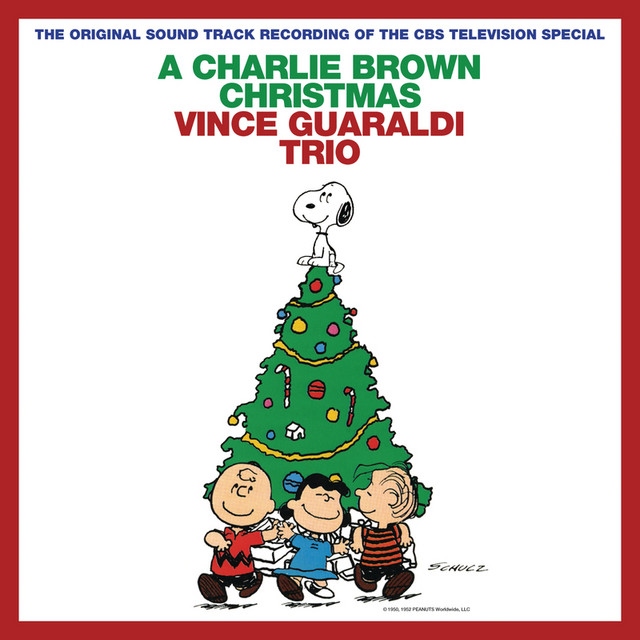
There are holiday albums, there are holiday classics, and then there is Vince Guaraldi’s A Charlie Brown Christmas — the cozy, melancholic, jazz-soaked blanket that somehow makes the world feel both brighter and more reflective. It’s a soundtrack wrapped in brushed cymbals and children’s choir harmonies. And yes, Charles Schulz had to fight for it. Television executives thought jazz was “too adult,” “too sad,” and “too sophisticated” for a kids’ special. Schulz believed the opposite: that jazz captured the honest emotional lives of children better than any cartoon jingle could.
So Guaraldi sat down at the piano, and the world quietly shifted. Here are ten ways this little soundtrack transformed holiday music, jazz, television, and the entire emotional range of December.
- Jazz in a children’s special? Unthinkable at the time. Guaraldi didn’t just introduce jazz to kids — he made them love it.
- It dared to show emotions beyond “merry and bright.” “Christmas Time Is Here” proved holiday music could be tender, wistful, even a little sad.
- The soundtrack became the narrator. Guaraldi’s music isn’t background — it’s the heartbeat of the story.
- It brought small-combo jazz into mainstream living rooms. Millions heard jazz chords for the first time without even realizing it.
- It created one of the most recognizable sonic identities ever. Two seconds of “Linus and Lucy” and everyone knows exactly what month it is.
- It reinvented Christmas music as something soft, introspective and emotionally layered.
- It launched an entirely new December vibe — the warm, subtle, cozy-jazz aesthetic dominating holiday playlists today.
- It proved instrumental holiday albums could be commercial hits, despite zero sleigh bells screaming for attention.
- It became a gateway drug to jazz. Ask musicians what first pulled them in — many say this album.
- It permanently embedded jazz into the cultural fabric of Christmas, without asking permission.
TV executives wanted generic cheer. Schulz wanted truth. They worried jazz was “too sad.” Schulz knew kids felt everything — joy, longing, hope, loneliness, the Big Questions.
And Guaraldi could score all of it.
So Schulz fought, Guaraldi played, and a miracle landed on television screens in 1965.
The result?
The most important holiday soundtrack of all time.
Not because it’s the biggest.
But because it told the truth — softly, beautifully, honestly — at a time of year when we all need a little honesty.
Cue the first piano notes. December has officially begun.