


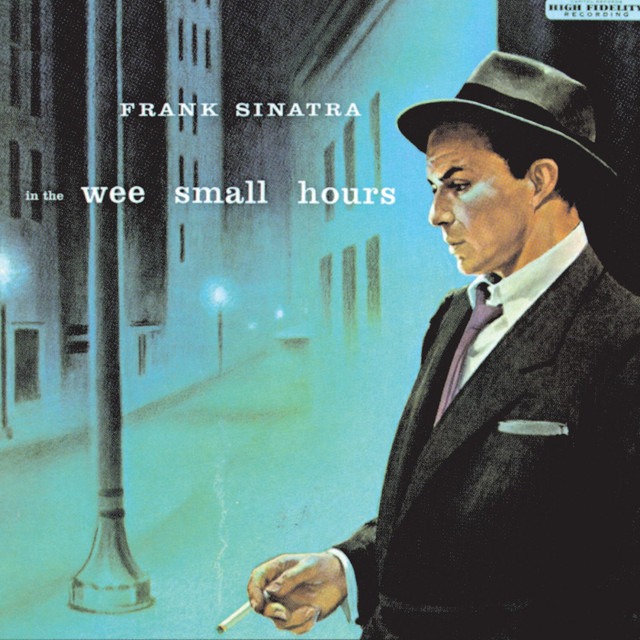
Frank Sinatra delivered a somber and revolutionary masterpiece with the 1955 release of ‘In the Wee Small Hours’, an album that effectively birthed the modern concept record. Following a period of deep professional decline and the painful collapse of his marriage to Ava Gardner, Sinatra channeled his desolation into a cohesive suite of “love gone bad” songs. Produced by Voyle Gilmore with lush, blue-tinged arrangements by Nelson Riddle, the record abandoned the era’s upbeat pop trends for a serious exploration of loneliness, depression, and the haunting stillness of the night. It was a massive commercial success that cemented Sinatra’s career resurgence, peaking at number two on the Billboard charts and staying there for 18 weeks. Every weary note on this project reflects a factual commitment to emotional honesty and artistic experimentation. Witnessing the transition from his “bobby soxer” youth to this deeper, mature, and canyonesque vocal shading is a defining highlight for any student of American music.
The “Ava Songs” Catalyst
The profound melancholy found throughout the album was a direct result of Sinatra’s tumultuous and failing relationship with his second wife, actress Ava Gardner. Nelson Riddle famously credited Sinatra’s loss of Gardner with providing the emotional depth necessary to sing such “angst-ridden” material, lead to the tracks being known internally as the “Ava Songs.” The heartbreak was so visceral that Sinatra reportedly broke down and cried in the studio after recording the master take of “When Your Lover Has Gone,” a moment of raw vulnerability that remains a factual cornerstone of the album’s legacy.
The Birth of the 12-Inch Pop LP
While most pop acts in 1955 were releasing collections of previously heard singles, Sinatra insisted on creating a firm distinction between “radio hits” and the serious art of a long-playing record. ‘In the Wee Small Hours’ was one of the very first pop albums to be issued on the 12-inch LP format, which allowed for a longer, more immersive experience. The massive success of the record helped popularize the 12-inch disc in the pop field, causing the older 10-inch format to fall into obsolescence and changing how the public consumed music forever.
Midnight Sessions in Studio C
To capture the authentic “wee small hours” atmosphere, the recording sessions at KHJ Studios in Hollywood were scheduled to start at 8:00 P.M. and often continued well past midnight. Sinatra and his ensemble worked in Studio C, a smaller downstairs space specifically chosen to create an intimate, “warm” monophonic sound for the small jazz ensembles. This late-night environment allowed Sinatra to slip into a “trance state” of performance, often chatting with the night janitor about how they both shared “crazy working hours.”
Meticulous Vocal Perfectionism
Despite the emotional turmoil he was facing, Sinatra remained meticulously focused on the technical quality of the sessions. During one late-night recording, he famously stopped the orchestra after singing only a few notes because he felt his voice simply did not have “the right sound” for the mood. He chose to reschedule the entire session for the following night rather than deliver an insincere performance. Guitarist George Van Eps recalled that when Sinatra returned the next evening, the performance was “perfect,” demonstrating his factual dedication to his craft.
Redefining Masculinity through Music
Prior to this release, the “tough guy” image of the era rarely allowed for public displays of male sensitivity or heartbreak. By releasing an album centered on introspection and “capitulation, not retaliation,” Sinatra successfully shifted the cultural perception of masculinity, making it acceptable for men to express a wider range of emotional responses. This “heartbroken/hedonistic duality” became a hallmark of his persona, proving that raw, human vulnerability could be as powerful and resonant as any rakish, “swinging” hit.