


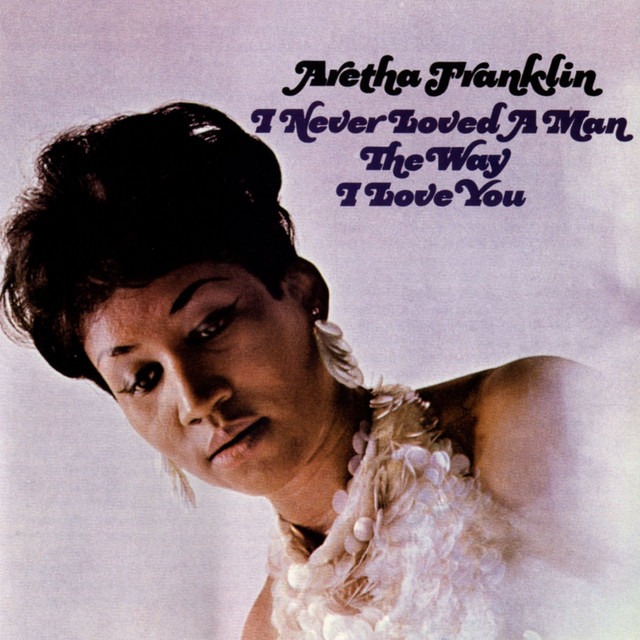
Aretha Franklin ascended to her throne as the Queen of Soul with the 1967 release of her landmark Atlantic Records debut, ‘I Never Loved a Man the Way I Love You’. After years of being stifled by polite jazz standards at her previous label, Franklin unleashed a raw, earth-shaking power that redefined modern music and the civil rights era. Recorded between the legendary FAME Studios in Alabama and Atlantic Studios in New York, the album seamlessly fused gospel-drenched vocals with gritty Southern soul. The record was a massive commercial breakthrough, reaching number two on the Billboard 200 and spawning the global anthem “Respect,” which topped the Hot 100. Regarded today as one of the greatest albums of all time, this project is a factual testament to the moment an artist truly finds their voice. Witnessing the transition from her controlled early years to this explosion of soul remains a defining highlight for any music lover.
The “Waltz” That Became a Hit
When Aretha first sat at the piano in Muscle Shoals to play the title track, FAME owner Rick Hall was initially unimpressed. He found the song’s rhythm strange, thinking it sounded like an old waltz that people wouldn’t be able to dance to. It wasn’t until session musician Spooner Oldham began fiddling with a specific five-note riff on a Wurlitzer electric piano that the song’s legendary groove fell into place. That accidental lick saved the session and transformed a strange melody into Aretha’s first top 10 pop hit.
The Vodka and Fistfight Fiasco
The recording sessions in Alabama were famously cut short by a series of explosive altercations. Aretha’s then-husband and manager, Ted White, became increasingly agitated after a bottle of vodka was passed around the studio. After demanding the firing of multiple horn players for supposedly making passes at Aretha, White eventually came to blows with producer Rick Hall at a hotel. The fallout was so severe that Jerry Wexler immediately canceled the remaining sessions and fled the state, vowing to fight with Hall.
The Slightly Out-of-Tune B-Side
Due to the sudden departure from Alabama, the iconic B-side “Do Right Woman, Do Right Man” was left unfinished. The foundation was recorded at FAME, but the final touches were added later at Atlantic Studios in New York. Because of a technical discrepancy in the tape-recording speeds between the two different studios, the tracks are slightly out of tune with each other. Producer Chips Moman later noted with regret that the final piano track ended up being faintly sharp, though the emotional power of the song ultimately masked the imperfection.
Aretha’s “Third Hand” at the Piano
While many vocalists of the era simply stood behind a microphone, Aretha’s breakthrough was fueled by the fact that she played the piano while she sang. Her sophisticated, gospel-inflected piano style provided the essential “feel” that the session musicians needed to follow. Bassist David Hood noted that the band fell in line with her playing, proving that her talent as a musician was just as vital to the album’s success as her once-in-a-generation vocal range.
The Birth of “The Swampers” Rivalry
The “war” between Rick Hall and Jerry Wexler ironically led to the creation of one of the most famous recording studios in history. After their fight, Wexler convinced Hall’s key rhythm section—Jimmy Johnson, David Hood, and Roger Hawkins—to leave FAME and start their own rival facility, the Muscle Shoals Sound Studio. This group, nicknamed “The Swampers,” went on to record superstars like Bob Dylan, The Rolling Stones, and Paul Simon, all because of the creative wave sparked by Aretha’s tumultuous 1967 sessions.