


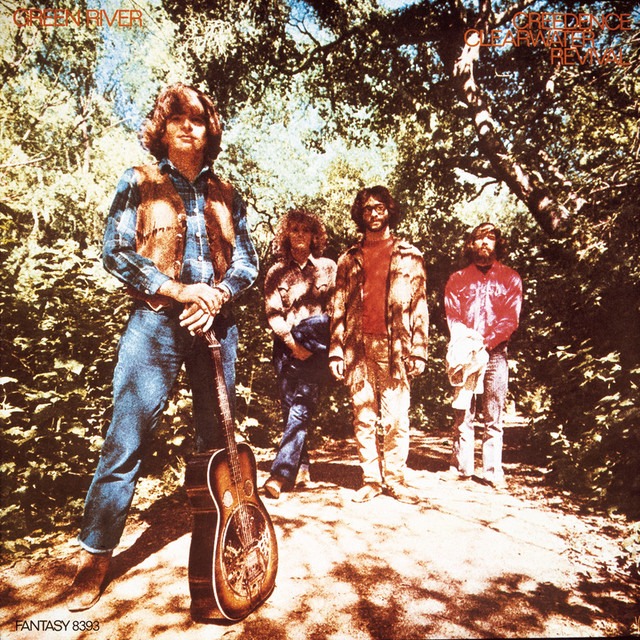
Released during the summer of 1969, ‘Green River’ stands as a definitive document of the incredible creative streak of Creedence Clearwater Revival. John Fogerty and company were essentially a hit machine at this point, delivering three classic albums in a single calendar year while the rest of the San Francisco scene was busy with long-form jams. This record solidified their status as the kings of tightly structured roots music with a rockabilly edge that continues to define the American sound.
The Apocalypse Never Sounded So Happy
The lead single “Bad Moon Rising” is a classic example of what John Fogerty calls a musical dichotomy. While the melody is a jaunty, happy tune that invites a singalong, the lyrics are actually a dark meditation on an impending apocalypse. Fogerty was inspired by a scene in the 1941 film ‘The Devil and Daniel Webster’ where a supernatural hurricane wipes out several farms.
Blocked By A Shakespearean Love Theme
Despite being one of the most recognizable songs in rock history, “Bad Moon Rising” never actually hit the top spot on the Billboard Hot 100. It is one of five CCR tracks to peak at No. 2, famously blocked from the summit by Henry Mancini’s “Love Theme from Romeo and Juliet.” It did, however, manage to conquer the UK Singles Chart where it sat at No. 1 for three weeks.
Stuck In A Town He Never Visited
The fan favorite “Lodi” describes the tragic plight of a washed-up traveling musician stranded in a small California town with no bus fare to leave. Interestingly, Fogerty had never actually stepped foot in Lodi before he wrote the song at the age of twenty-three. He simply thought the name sounded the coolest for the story he wanted to tell about a man whose career was in the rearview mirror.
The Real Green River Was A Soda Pop
While many listeners assume the title track ‘Green River’ refers to a specific body of water in the Bayou, the name actually came from a bottle of lime-flavored soda syrup. Fogerty associated the name with his childhood memories of Putah Creek near Winters, California. He would visit a cabin there owned by a descendant of Buffalo Bill Cody, which explains the “Cody Jr.” reference in the lyrics.
A Pact To Stay Sober At The Fillmore
The band maintained a strict discipline that stood in stark contrast to the drug-fueled culture of late-sixties rock. After watching other local bands perform while too high to stay in tune, the members of CCR made a pact on the floor of the Fillmore to avoid all drugs and alcohol. They decided to get high on the music instead, focusing on meticulous arrangements rather than the acid-rock guitar solos of the era.