


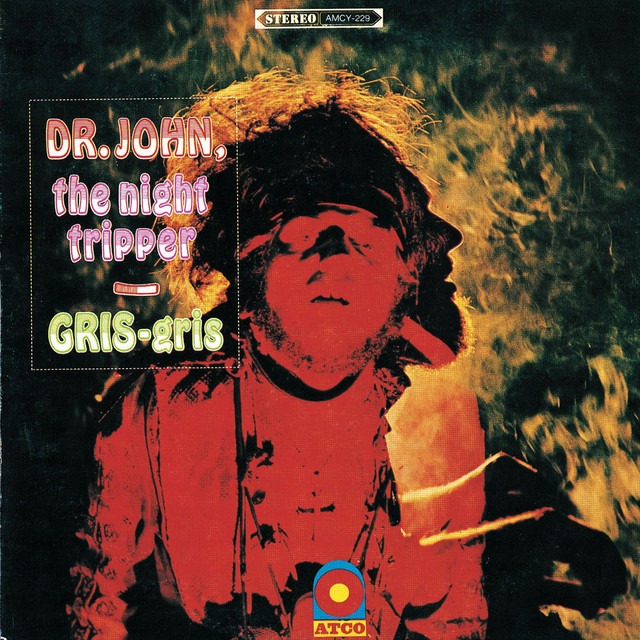
When Dr. John emerged in 1968 with ‘Gris-Gris,’ the rock underground wasn’t sure if he had dropped from outer space or crawled out of a Louisiana swamp. Produced by Harold Battiste, this debut introduced a hybrid of traditional New Orleans R&B and heavy psychedelia that eventually landed a permanent spot on the Rolling Stone 500 Greatest Albums of All Time list. It remains a masterpiece of atmospheric ritual, blending druggy deep blues with the seductive-yet-menacing growl of a man who became a living encyclopedia of Crescent City music.
A Surreptitious Recording On Borrowed Time
While the album sounds like it was tracked in a back-alley New Orleans house of sin, it was actually recorded in Los Angeles at Gold Star Studios. Mac Rebennack and his crew managed to cut the record by surreptitiously wrangling free studio time that had been originally earmarked for Sonny & Cher. Atlantic Records executive Ahmet Ertegun was initially reluctant to even release the project, famously questioning how the label could possibly market what he called “boogaloo crap.”
The Frontman Was Almost Someone Else
Mac Rebennack originally had no intention of being the singer for this project and spent years as a session musician and producer behind the scenes. He initially approached New Orleans singer Ronnie Barron to front the band and embody the Dr. John character. After Barron’s manager advised him that the voodoo-inspired persona would be a bad career move, Rebennack took on the mantle himself and created an iconic alter ego that lasted for decades.
Inspired By A Nineteenth Century Healer
The Dr. John character was a tribute to a real historical figure named Dr. John Montaine, a free black man and reputed voodoo doctor who claimed to be an African potentate. Rebennack felt a spiritual kinship with Montaine after hearing stories about the healer’s exploits in the 1840s and 1850s. The artist even adapted his feathered headdresses and ornate stage costumes from the traditional regalia worn by the Mardi Gras Indians of New Orleans.
A Masterpiece Born From A Mishearing
The album’s closing tour de force, “I Walk on Guilded Splinters,” is one of the most covered songs in rock history, but its title contains a deliberate lyrical twist. Dr. John based the song on a traditional voodoo church chant that originally used the word “splendors.” He decided to change the word to “splinters” simply because he liked the sound better and preferred the imagery of sharp, golden fire piercing through the atmosphere.
An Army Of Eight Percussionists
To achieve the thick, ritualistic groove found on tracks like “Gris-Gris Gumbo Ya Ya,” the production utilized an unusually dense rhythm section. The sessions featured eight different percussionists and two separate bass players to create a sound that mirrored the Afro-Caribbean textures of a street parade. This massive ensemble included New Orleans veterans like Jessie Hill and Shirley Goodman, resulting in a deep, rhythmic soup that smoldered with ominous foreboding.