


In the autumn of 1969, Frank Zappa decided to dissolve the original Mothers of Invention and go it alone, resulting in a masterpiece he famously dubbed “a movie for your ears.” Moving away from the satirical outbursts and musique concrète of his earlier work, Zappa dove headfirst into a lush, jazz-influenced landscape of intricate soloing and instrumental brilliance. It was a groundbreaking shift that didn’t just push the boundaries of rock—it effectively rewrote the rules for how a studio could be used as an instrument in its own right.
A 16-Track Pioneer in a 4-Track World
Hot Rats was one of the first albums in history to be recorded using 16-track equipment, a massive leap forward from the 4 and 8-track standards of 1969. Zappa used a custom-built, “homemade” 16-track machine at TTG Studios in Hollywood to layer complex horn and keyboard overdubs. This advanced technology allowed Zappa and his primary collaborator, Ian Underwood, to create the massive, rich sound of a large orchestra with only a handful of musicians.
The Teenage Prodigy on Bass
While the album features seasoned session veterans, one of the most remarkable contributors was bassist Shuggie Otis. At the time of the recording sessions, Otis was only 15 years old. Despite his age, his playing provided the rock-solid foundation for Zappa’s sprawling compositions, helping to bridge the gap between traditional rhythm and blues and Zappa’s complex, avant-garde arrangements.
Infrared Photography and the GTOs
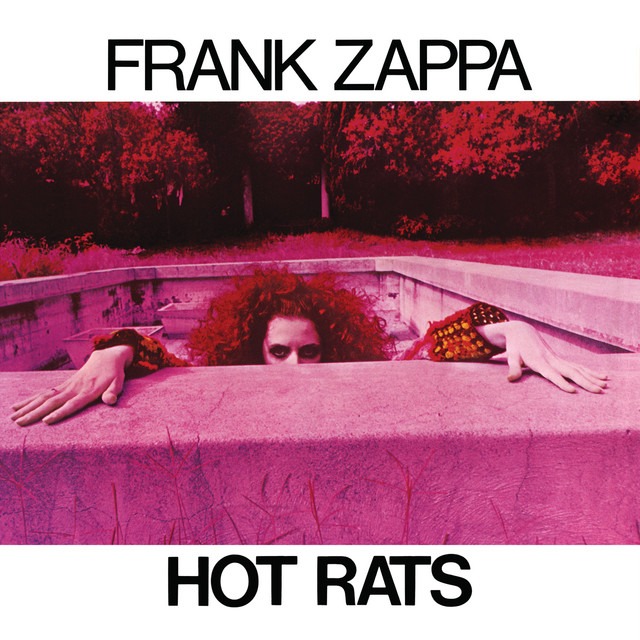
the album’s striking cover is a prime example of late-sixties psychedelic aesthetic, but its look was achieved through a specific technical trick: infrared photography. The front cover features Miss Christine, a member of the Zappa-produced girl group The GTOs (Girls Together Outrageously), emerging from a swimming pool. For years, the credit for these iconic, surreal images was incorrectly attributed to Ed Caraeff, though they were actually shot by Andee Nathanson.
Captain Beefheart’s Only Vocal Appearance
Although Zappa described the record as an instrumental project, he made a single, glaring exception for the track “Willie the Pimp.” The song features the unmistakable, gravelly vocals of Zappa’s long-time friend and collaborator Captain Beefheart. It stands as the only vocal performance on the entire album, serving as a gritty, bluesy counterpoint to the high-concept jazz-fusion that defines the rest of the tracklist.
A Grammy-Winning Family Legacy
Zappa dedicated Hot Rats to his newborn son, Dweezil, a gesture that came full circle exactly forty years later. In 2009, Dweezil’s tribute band, Zappa Plays Zappa, won a Grammy Award for Best Rock Instrumental Performance for their live rendition of the album’s opening track, “Peaches en Regalia.” It was a fitting tribute to a song that remains one of the most celebrated and accessible entries in the entire Zappa canon.