


Brian May and Roger Taylor share exclusive details regarding the evolution of the band’s studio process during the latest episode of Queen The Greatest. This retrospective celebrates the 50th anniversary of ‘A Night At The Opera’ with a new clear vinyl reissue of the landmark project. The band reflects on how their early technical experiences at Trident Studios allowed them to realize their outrageous ambitions. This period of growth saw the group move from the restricted sessions of their debut to the unbound experimentation that defined their mid-seventies output.
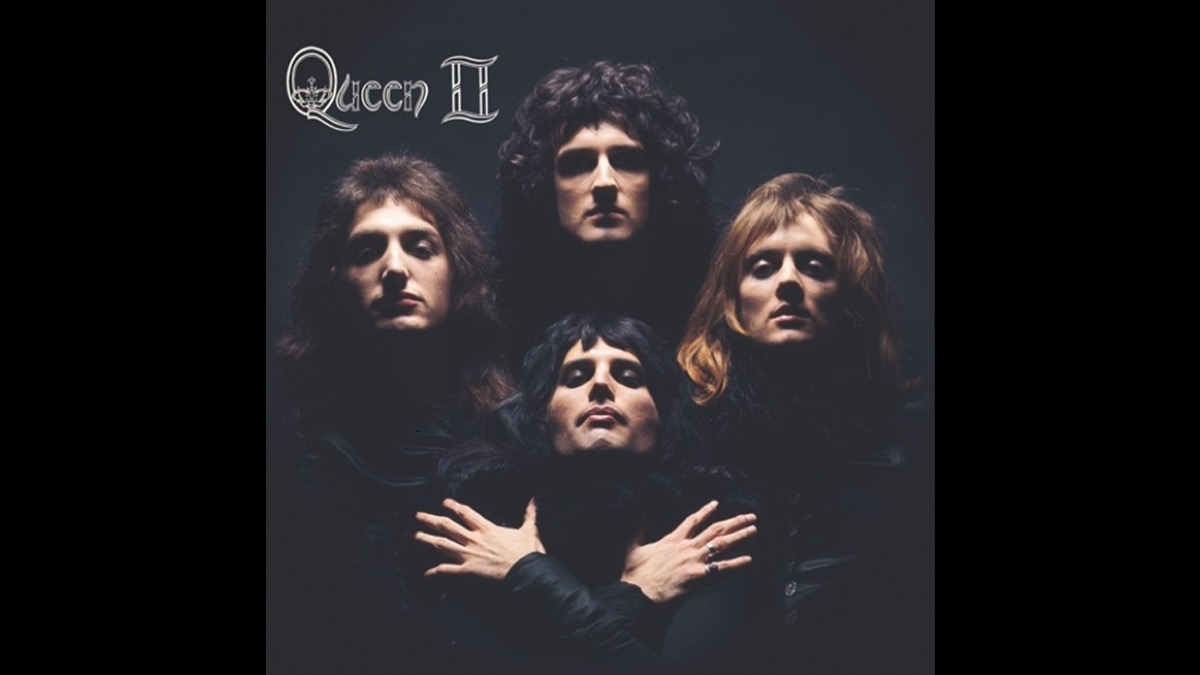
The transition toward creative freedom became evident during the sessions for ‘Queen II’ in 1974. Roger Taylor notes that “really, I think Queen II was the first time we were allowed a certain amount of freedom in the studio, whereas with the first album we weren’t” and explains that the result sounded more like the way the band intended. Brian May remains a massive advocate of that era because he believes it represented a giant step for the group. He explains that they went from a band hardly allowed in the studio to one that could “actually has studio time” and “make a giant leap with painting pictures on the canvas of the tapes.”
Following the hard-hitting and simplified approach of ‘Sheer Heart Attack,’ the band decided to pursue their dreams further with more complex arrangements. Brian May compares the recording of their fourth album to “getting a new car and seeing what you can do with it” while working alongside engineer Mike Stone and producer Roy Baker. The sessions became the most expensive in history at the time as they pushed the boundaries of studio technology. This ambitious direction was a necessity for the group as Brian May recalls that had the album failed “I think we would have just disappeared under the ocean.”
The record eventually reached the top of the UK charts with a track list ranging from the rock of “Death On Two Legs” to the vaudeville style of “Seaside Rendezvous.” The collaborative process between the four members resulted in a sound that was adventurous and dangerous. Brian May remembers the work as an exhilarating process where the final result “became Queen stuff” which he considers “a million times greater than anything that any one of the four of us could come up with on their own.” This new reissue provides a fresh look at a project that broke all the rules of rock music.