


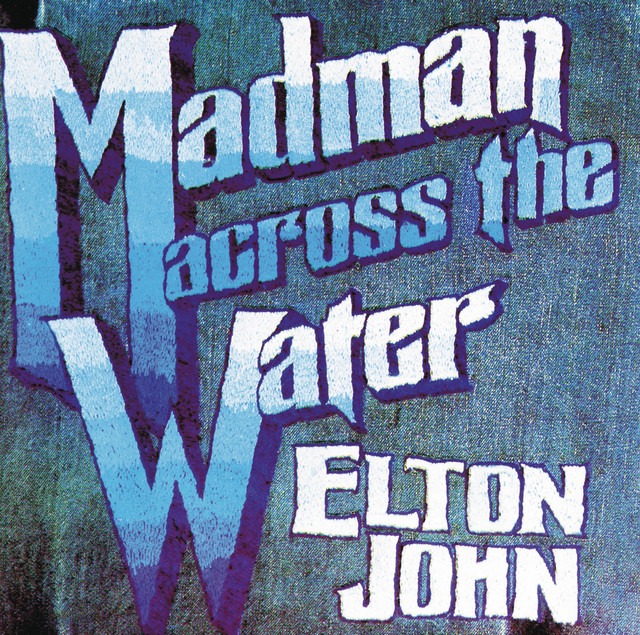
By late 1971, Elton John was moving at a pace that would make a modern pop star collapse. Madman Across the Water was his third release in a single year, and you can hear the exhaustion and the exhilaration fighting for space in the grooves. This was Elton’s “Art Rock” moment—a deep dive into progressive arrangements, sweeping Paul Buckmaster strings, and lyrics that felt more like cryptic short stories than radio hits.
While the UK was initially lukewarm, North America fell head over heels. This is the record that gave us the cinematic sprawl of “Levon” and the California-dreaming of “Tiny Dancer.” It was recorded at the legendary Trident Studios, marking the end of an era before Elton moved to France to become the glam-rock superstar the world remembers. If Tumbleweed Connection was his love letter to the American West, Madman was his grand, theatrical bow to the world stage.
- The Rick Wakeman Connection
- Before he was the cape-wearing wizard of Yes, a young Rick Wakeman was a go-to session man. He played the Hammond organ on two tracks for this album, adding a layer of progressive texture that helped define Elton’s brief but brilliant foray into the prog-rock genre.
- The Mick Ronson “Lost” Version
- The title track was actually intended for the previous album, Tumbleweed Connection. A version was recorded featuring the gritty, electric guitar work of Mick Ronson (of David Bowie’s Spiders from Mars), but it was ultimately shelved and re-recorded with a more orchestral feel for this release.
- The “Jesus Freaks” Controversy
- “Tiny Dancer” wasn’t an immediate juggernaut, partly because it was over six minutes long, but also because of the lyrics. Some radio stations actually banned the track because they found the opening line of the second verse—”Jesus freaks out in the streets”—too controversial for the airwaves in 1972.
- The Blueprint for a Movie Moment
- “Tiny Dancer” spent decades as a “middle-of-the-road” hit until filmmaker Cameron Crowe used it for a pivotal bus singalong in his 2000 film Almost Famous. That single cinematic placement is credited with completely resurrecting the song’s legacy, taking it from a 1971 deep cut to a 5x Platinum anthem that is now more popular than it ever was during its original release.
- The Seamstress is Real
- The famous “seamstress for the band” in “Tiny Dancer” wasn’t a poetic metaphor; it was Maxine Feibelman, Bernie Taupin’s wife at the time. She actually traveled with the group and sewed patches onto Elton’s velvet jackets and jeans to keep his stage wardrobe together.