


Great songs do not appear in a vacuum. Sometimes the loudest influence comes from a book, a painting, a film, or an idea that sneaks into a lyric or a sound. Here are ten non-musicians who left fingerprints all over popular music, proving inspiration travels far beyond the studio.
Aleister Crowley
The occultist became a magnetic figure for rock artists chasing mysticism and rebellion. His ideas and imagery filtered into the work of David Bowie, Jimmy Page, and Ozzy Osbourne. Even when artists rejected his beliefs, the symbolism stuck.
Allen Ginsberg
The Beat poet gave rock and folk musicians permission to sound loose, personal, and unfiltered. Bob Dylan, Patti Smith, and The Clash absorbed his free-form delivery and political urgency. Poetry became something you could shout over a guitar.
Andy Warhol
Warhol blurred the line between art, celebrity, and commerce, and musicians noticed. His association with The Velvet Underground changed how artists thought about image, performance, and experimentation. Pop art became pop music.
Arthur Rimbaud
A teenage poet who burned bright and disappeared, Rimbaud became the blueprint for the romantic rock outsider. Jim Morrison, Patti Smith, and Bob Dylan drew from his symbolism and defiance. Rock lyricists found a literary patron saint.
David Lynch
Dream logic, dread, and beauty coexist in Lynch’s work, and musicians borrowed freely. Artists from Nine Inch Nails to Lana Del Rey echo his surreal atmospheres. Music learned how to feel unsettling without being loud.
George Orwell
Themes of control, surveillance, and rebellion made Orwell a constant reference point for musicians. His ideas appear in punk, post-punk, and progressive rock lyrics. Music turned dystopia into a warning siren.
H.P. Lovecraft
Cosmic horror gave metal and hard rock a vocabulary for darkness and scale. Bands like Metallica and Iron Maiden pulled directly from his mythos. Fear became epic instead of personal.
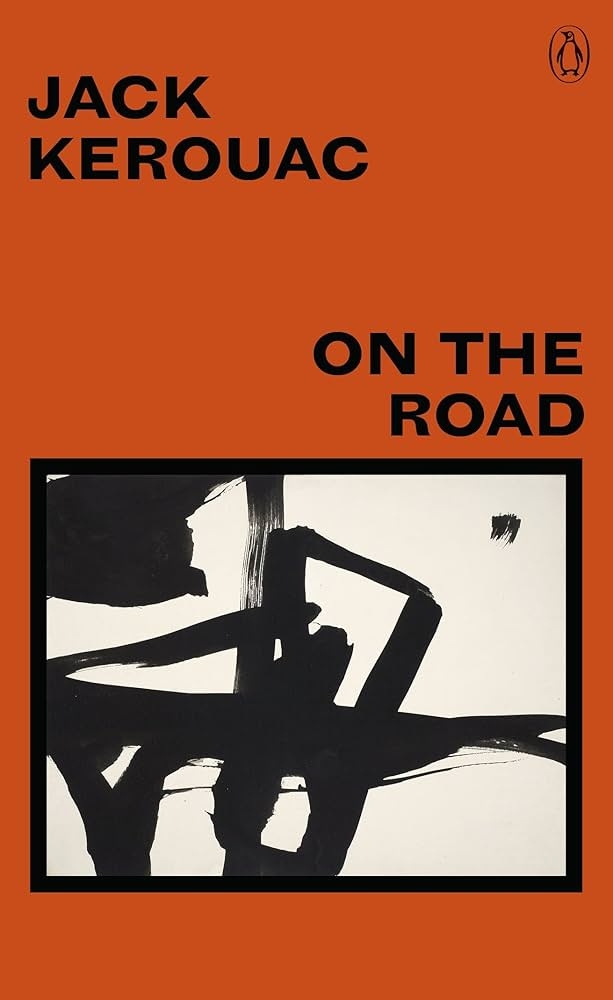
Jack Kerouac
His sense of motion, freedom, and restlessness fed the soul of rock and folk music. Bruce Springsteen, The Doors, and countless others borrowed his road-ready spirit. Music learned how to move without stopping.
J.R.R. Tolkien
Fantasy worlds inspired entire genres, especially metal. Band names, lyrics, and mythic storytelling trace back to Middle-earth. Tolkien turned imagination into amplification.
William S. Burroughs
Cut-up techniques and fractured narratives gave musicians new ways to write and think. David Bowie, Kurt Cobain, and Steely Dan all cited him as an influence. Songwriting stopped being linear and started being strange.