


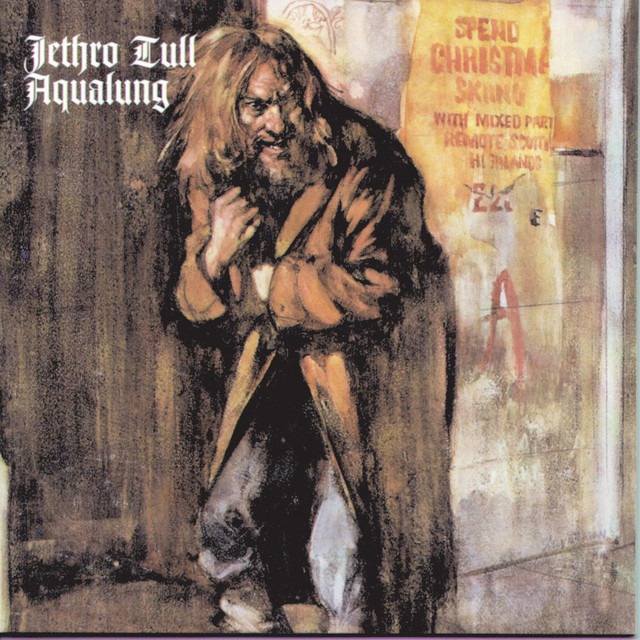
When Jethro Tull released Aqualung in March 1971, they stepped into a bold new era of rock music. The album masterfully blended heavy electric riffs with delicate acoustic moments to explore deep themes of faith and society. While it remains their best-selling work with over seven million copies sold, the journey to complete this masterpiece was filled with unexpected hurdles. Here are five fascinating things you might not know about this iconic recording.
A Musical Mystery in the Studio
The band recorded the album at the newly opened Island Records studios on Basing Street which was actually a converted chapel. Led Zeppelin were working on their fourth album in the smaller studio at the exact same time as the Aqualung sessions. Ian Anderson found the larger room incredibly difficult to work in because of its cold and echoey atmosphere during the winter.
The Guitar Solo Standoff
Martin Barre recorded his legendary guitar solo for the title track under intense pressure with very few takes allowed. Just as he began to play, Jimmy Page walked into the control room and started waving enthusiastically at him through the glass. Barre famously had to ignore the Led Zeppelin guitarist and keep his head down to avoid blowing the solo during that critical moment.
The Story Behind the Character
The inspiration for the famous Aqualung character came from a series of photographs taken by Ian Anderson’s wife Jennie. She had captured images of homeless people living on the Thames Embankment which sparked a sense of reflection in the couple. They wrote the lyrics together to create a character sketch that touched on both fear and empathy for those living outside of society.
A Studio Success Built on Overdubs
Locomotive Breath is one of the most famous tracks on the record but it was actually a failure when the band first tried to play it together. To get the perfect train-like rhythm, Ian Anderson had to record the parts separately starting with him clicking drumsticks together. He eventually layered the instruments one by one to ensure the song had the exact metronomic click-clack feel he desired.
The Accidental Concept Album
Critics and fans have long labeled this record a concept album due to its heavy focus on the distinction between religion and God. Ian Anderson has consistently denied this title and claimed the record is simply a collection of varied songs that happen to share some themes. He was so frustrated by the label that he later created Thick as a Brick as a deliberate spoof of the entire concept album genre.