


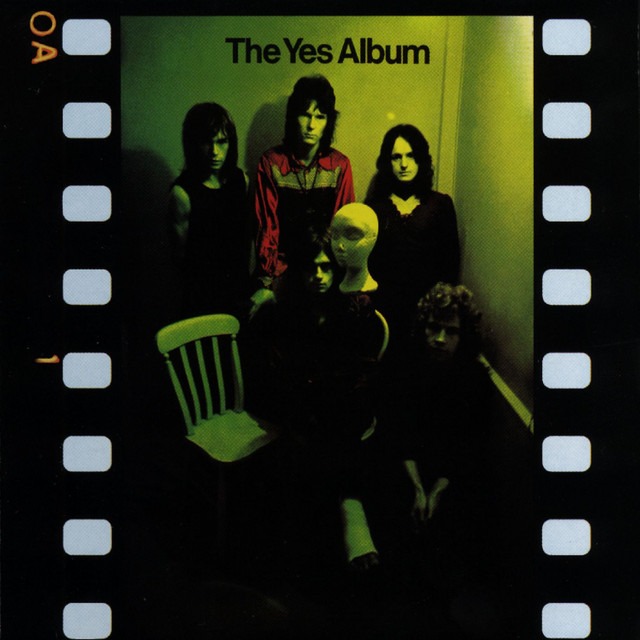
Released in early 1971, The Yes Album was the high-stakes breakthrough that saved the band’s career. After two commercially quiet releases, the group found their stride by embracing all-original material and a bold new guitarist. This record saw the quintet moving away from covers and toward the expansive, multi-part suites that would define the progressive rock genre. Here are five fascinating stories from the making of this platinum-certified classic.
A Mannequin and a Broken Foot
The album’s distinctive cover was captured during a chaotic thirty-minute window at photographer Phil Franks’ flat. The band had arrived late for the shoot because they were recovering from a head-on vehicle collision that occurred the night before. Because keyboardist Tony Kaye had a fractured foot from the crash, the final photo shows him sitting with his leg hidden in a plaster cast.
Chart Success and a Little Help
The album’s climb to number four on the British charts was partially aided by a clever marketing move from manager Brian Lane during a national postal strike. Lane visited a young Richard Branson’s record store on Oxford Street and purchased enough copies of the album to ensure it hit the top of that shop’s independent sales chart. This initial momentum created a buzz that led to genuine massive sales once the official tracking resumed.
The Chess Metaphor and John Lennon
The first half of the beloved suite I’ve Seen All Good People uses the game of chess as a lyrical metaphor for navigating complex human relationships. Jon Anderson also included subtle nods to John Lennon throughout the track to honor the legendary songwriter’s influence. If you listen closely near the three-minute mark, the backing vocalists can be heard singing the chorus to Give Peace a Chance under the main melody.
A Live Solo on a Studio Album
While most of the album was recorded at Advision Studios, the energetic acoustic piece Clap was actually recorded live at the Lyceum Theatre in London. Steve Howe wrote the intricate tune to celebrate the birth of his son Dylan and drew inspiration from the fingerstyle playing of Chet Atkins. Though original pressings mistakenly titled the song The Clap, it has since become a signature showcase of Howe’s technical brilliance.
The Bonanza Argument
The powerful opening track Yours Is No Disgrace almost sounded very different because of a debate regarding its primary riff. Some members of the band initially worried that Jon Anderson’s main musical theme was far too similar to the famous opening music of the television series Bonanza. They eventually moved forward with the arrangement and it became a ten-minute masterpiece that helped establish their signature sound.