


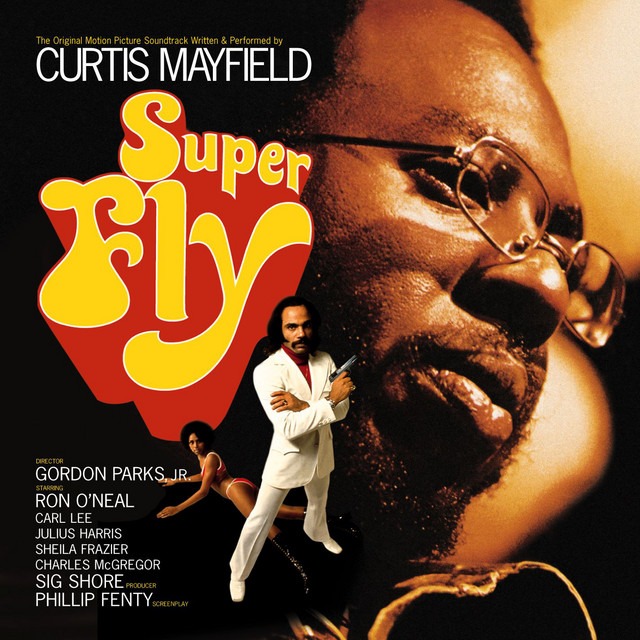
When Curtis Mayfield released the soundtrack for Super Fly in 1972, he achieved something rarely seen in the entertainment world. His music didn’t just support the film; it became a cultural giant that eventually earned more money than the movie itself. While the film was a massive hit in the blaxploitation genre, Mayfield used the soundtrack to offer a deep and critical look at the harsh realities of street life. Here are five incredible stories behind this soul and funk masterpiece.
A Conflict of Perspectives
There is a fascinating tension between the message of the film and the lyrics of the soundtrack. While the movie was sometimes seen as glamorous or ambiguous regarding the drug trade, Mayfield used his songs to take a much more skeptical and cautionary stance. He wanted to make sure listeners understood the heavy human cost of the lifestyle depicted on the screen.
From a Cameo to a Classic
The entire project began when director Gordon Parks Jr. invited Mayfield and his band to appear as a nightclub act in one of the scenes. Originally, they were only supposed to provide a single song for that specific background appearance. However, the creative energy was so high that it led to Mayfield composing the entire score and defining the sound of the era.
Recording with a Full House
During the primary recording sessions at Curtom Studios, Mayfield worked with an incredibly large ensemble of nearly forty musicians. This massive in-studio band allowed the guitarists and the orchestra to layer their parts without any of the melodies clashing or “bumping” into each other. This technical luxury resulted in the rich and lush sound that makes tracks like Freddie’s Dead so memorable.
Written in a Basement Apartment
Despite the grand and polished sound of the final record, much of the songwriting took place in a very humble setting. Mayfield wrote the majority of these powerful tracks while living in a basement apartment in Chicago during a period of personal transition. Drawing from his own upbringing in the Cabrini-Green projects, he poured his authentic life experiences into the lyrics.
The Instrumental Oscar Hurdle
The hit song Freddie’s Dead was a massive success on the charts but faced a unique disqualification at the Academy Awards. Even though the music is featured prominently throughout the film’s opening and various scenes, it was ruled ineligible for Best Original Song. This was because the version heard in the movie is an instrumental, and the famous lyrics only appeared on the commercial album release.